

3 Signs Your Car Blew A Fuse
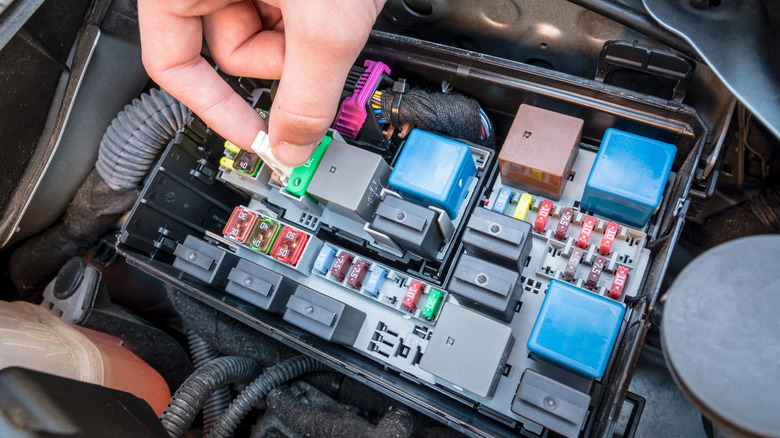
No matter what type of car you drive, it's going to come with its fair share of electrical components. Protecting the wiring of these components are fuses. Thus, when a car's fuse blows, you can often tell because an electric component will suddenly fail. It's important to be on the lookout for these warning signs.
Don't ignore such problems when they arise. Depending on the systems that are affected, driving a car with a blown fuse can be hazardous. As soon as you notice an issue, refer to the manufacturer's instructions for checking and replacing blown fuses. You may also test fuses with specialized tools like multimeters.
There are steps you can take to guard against blown fuses in the first place. For example, you might regularly inspect the fuse box for signs of corrosion or melting. Similarly, if you want to add electric components or accessories to your car, unless you're an expert, it's best to coordinate with a professional when doing so. They can help you identify and install the necessary protective measures.
That said, even if you strive to minimize the odds of a fuse blowing, you can't control every factor and variable. While you may be cautious, you still need to monitor for signs of a problem.
Lights have stopped working
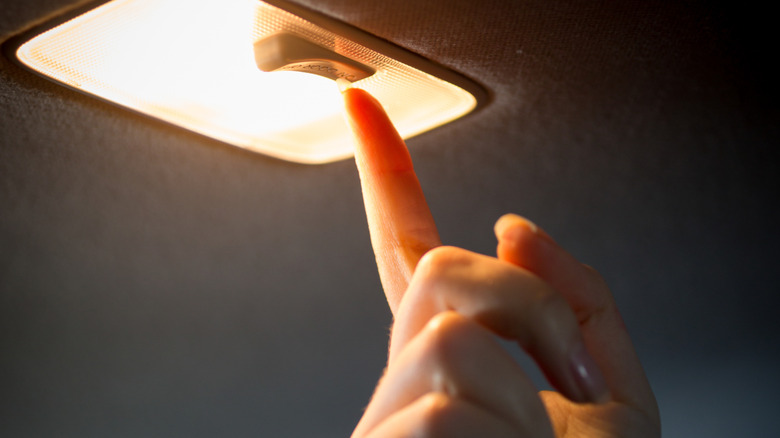
One of the most common signs of a blown fuse is a vehicle's lights no longer working without any clear explanation. Types of lights that may stop working when a fuse has blown include headlights, interior lights, and virtually any other lights your vehicle may be equipped with.
Your vehicle's owner's manual should include information on how to check if a fuse has blown when you notice electrical components aren't functioning. The instructions may also describe how to swap out a blown fuse with a replacement. Follow these instructions carefully, and consider hiring a professional to handle the job if you're not thoroughly confident in your ability to do so properly.
Failing lights can put you at significant risk on the road. Driving a car whose lights don't work can endanger others as well. It's also illegal in many circumstances and conditions. Thus, you should minimize driving your vehicle until the blown fuse has been addressed.
Electric window and door controls stop working
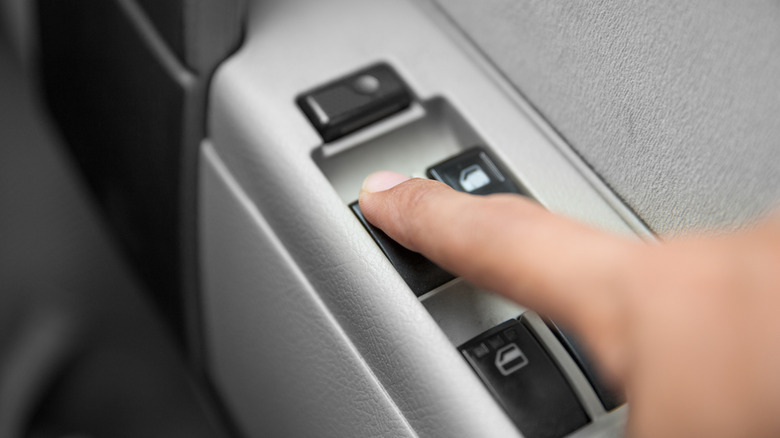
A blown fuse often reveals itself when one or more of a vehicle's electric components stop working without warning. Along with your lights, your power doors and windows can quit on you when a fuse has blown.
For example, a power window might not go up or down any longer. This can affect a single window, or it can affect all windows in the vehicle. Similarly, your power door locks might stop cycling.
Depending on the circumstances when you notice this sign of a blown fuse, such issues can jeopardize your vehicle. For example, if a window won't roll up, your vehicle's interior may be exposed to the elements. Or, if the locks won't work properly, it might be easier for someone to break into your car.
These points aren't meant to alarm you. Rather, they're meant to emphasize the importance of being proactive when you think a fuse may have blown.
Burning odors and additional warning signs
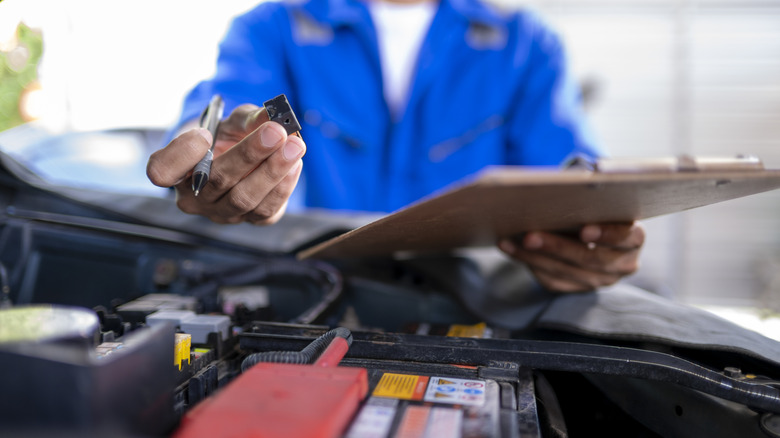
Lights, power windows, and power door systems are just a few examples of electric components that can fail due to a blown fuse. If any component, control, or accessory that relies on electricity stops working, it could indicate a problem with a fuse.
Sometimes, the component that fails might not seem vital. For instance, a blown fuse can cause the radio to stop working. Because this is an annoyance and not a disaster, you might ignore the problem, at least temporarily. Don't make this mistake. It's critical that you identify whether a blown fuse is to blame.
A burning odor may also accompany a blown fuse. Naturally, the moment you notice a burning odor in your vehicle, you should contact a professional to have a closer look. Similarly, some vehicles provide dashboard warnings indicating motorists should check fuses. Never ignore such a warning.
As far as car projects go, replacing a fuse is often relatively easy. This may be the type of job for which a DIY approach is acceptable. However, don't overlook the potential value of hiring a mechanic to help the first time you complete this task. Along with demonstrating the proper method, they may offer tips on how to prevent future issues.