

Why Do Modern Cars Have So Many Cameras?
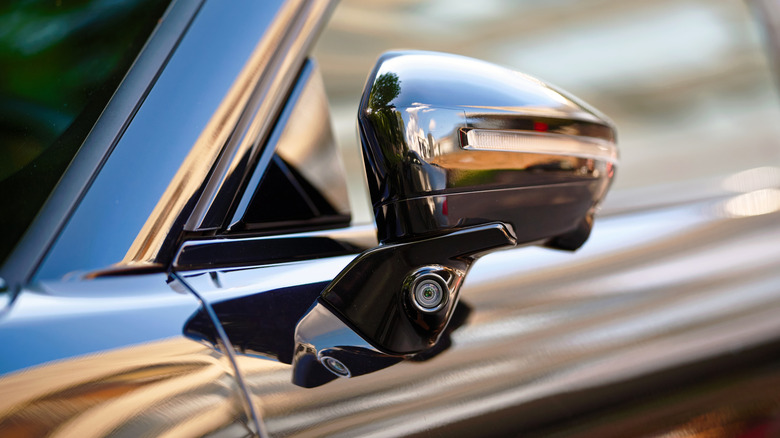
Automakers in the U.S. were required to add backup cameras systems to all new cars starting in 2018. The creation of the law addressed unfortunate and preventable accidents due to vehicle blind spots, spurred on by consistent campaigning from various advocacy groups. Nowadays, things go way beyond a simple backup camera system, with some models featuring lenses all-around the exterior, in places like the side mirrors and front grille, for instance. So, what's with all the cameras?
First, driver assistance systems like pedestrian automatic emergency braking (PAEB) actually do help, with IIHS data estimating pedestrian incident risk falling 32% during daylight driving. In addition, automotive brands have noticed a correlation between safety ratings and sales, incentivizing the addition of more cameras. Cameras are also great at capturing critical information like signs, traffic lines, and objects in the road, while remaining cheaper and easier to scale up for mass production than other options.
Driver assistance systems and potential data harvesting
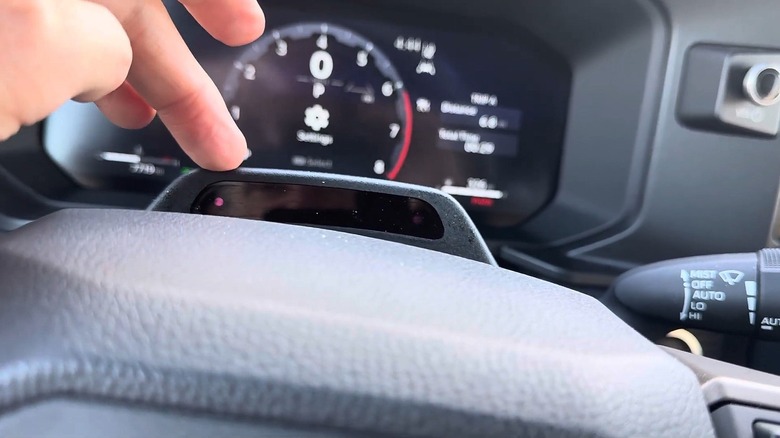
There are many levels of autonomous driving, with Level 2 providing more advanced functionality that includes steering capability, among other assistance. Technology like GM's Super Cruise doesn't require hands gripping the wheel on certain highway sections in the U.S. However, the system legally requires that the person behind the wheel be ready to take control at any time, and isn't a fully autonomous setup. How does an automaker verify the driver is still attentive? By adding an interior camera that can point directly at the driver's face.
This doesn't mean all these systems default to recording and uploading video data from the inside of your vehicle. Some systems like the one in GM automobiles, reportedly doesn't transmit interior camera data over the internet. These cameras also take note of whether or not the driver is paying attention to the road, even when the driving assist system isn't being used.
However, some car brands do upload footage from the cabin of your vehicle to company servers, if certain sharing settings are enabled. These cameras may compile physical characteristics and driving behavior, among others, creating a profile that entities like insurance companies and other third parties are interested in purchasing. But wait, don't automakers have to disclose this activity to consumers? They do, but it's stated within lengthy privacy policies, so it's important to verify what information your car is collecting.
With more cameras, why aren't factory dashcams more widely available?
Beginning in the 2010s, as a result of spectacular meteor footage logged by so many Russian drivers using aftermarket dashcams, motorists across the globe became interested in the devices. Today, the market is so flooded with products, with many people looking for the best dashcams you can buy.
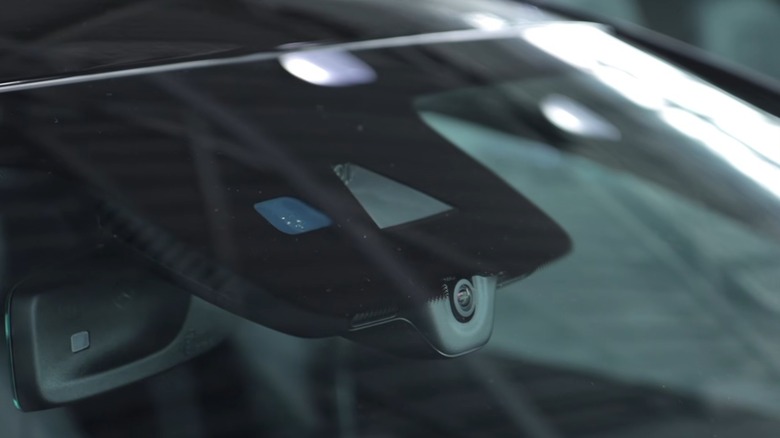
But, most of the factory cameras installed in modern vehicles are focused on providing eyes for the driver assistance technology like front crash prevention, lane changing assist, and emergency braking. However, there are some new cars with built-in dashcams, offering the camera technology right from the factory. The downside is, those models are typically from premium brands such as BMW and Mercedes-Benz, among others. So, the technology isn't as prevalent yet in more affordable options.
Not many automakers seem keen on adding factory installed dashcam systems, because they raise prices, discouraging many car shoppers. Vehicle manufacturers also aren't typically as quick to keep hardware updated, with some models still sporting electronics from years prior. Meaning, even the models that do offer built-in solutions, aren't going to include the cutting-edge features found in brand new aftermarket options.