

Why Did International Harvester Stop Making Tractors?
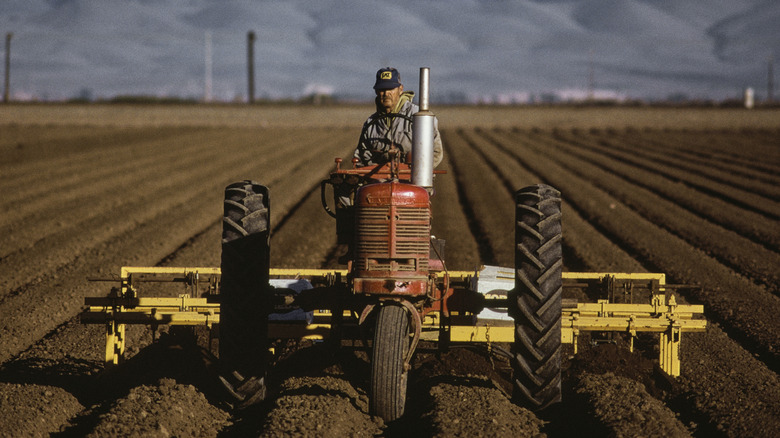
The story of International Harvester and its tractors both began and ended during the 20th Century. The company was formed in 1902 by J.P. Morgan by bringing together five different companies — the larger McCormick Harvesting Machine Company and Deering Harvester Company, along with three smaller companies.
Together, they formed International Harvester, a powerful force in the mechanization of farming for both the U.S. and, ultimately, the world. When founded, the new International Harvester Company had 85% of the harvesting equipment market in the U.S. By the 1930s, International Harvester had cornered 44% of the U.S. tractor market thanks to its innovative Farmall brand, twice the share that competitor John Deere had. Things were going very well for IH, which had an excellent reputation plus top-notch products.
However, the company's good fortune would not last. By 1958, John Deere had passed IH to become the largest U.S. manufacturer of farming equipment; by the 1970s, IH had stopped growing and had a load of debt. A CEO from outside was brought in to "right the ship," then a disastrous 172-day strike with the United Auto Workers (UAW) union happened during 1979 and 1980, while the economy crashed due to high interest rates and inflation. IH's customers, the farmers, couldn't afford to buy anything.
After surviving one of the largest corporate losses in history, IH finally sold its agricultural products division to JI Case in 1984. There would be no more tractors or farm equipment, but the Case IH brand lives on as part of CNH Industrial, while Traton Group now owns International Trucks.
What lessons can we learn from the demise of International Harvester?
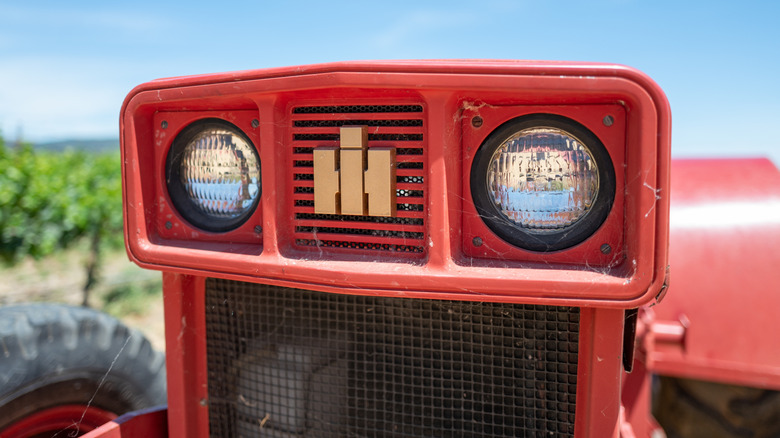
There are numerous lessons to be learned from the decline and fall of International Harvester. One is that just because you're the largest, most successful company in your field, you are not guaranteed future success. There will be intelligent, flexible rivals and they will come after you. Even a vehicle like the International Harvester Scout was discontinued when times got tough.
After World War II, International Harvester lost its focus on farm equipment, chasing a variety of different capital-demanding business units that all required constant feeding. In heavy trucks, for example, IH couldn't compete with Detroit's established truck manufacturers, plus it had much higher labor costs. Meanwhile, the company lost its lead in the farm equipment business to John Deere. IH didn't have enough capital, was too diversified, and was simply not profitable enough.
On top of this, the debilitating strike, and the horrible economy, President Jimmy Carter ordered a grain embargo against the Soviet Union in 1980. This destroyed the farming community, just as IH had produced a huge amount of farm equipment and trucks in anticipation of the strike ending. But no one was buying. IH had stopped listening to its dealers and its customers, who could have told them this would happen.
There were no mistakes left for IH to make. The company was split up into two parts, with the farm equipment being sold to Case and the trucks continuing as Navistar, which led to a takeover by VW's truck division Traton. Things have now come full circle with Volkswagen's plans to produce a new Scout electric SUV.