

Eyeing A Hybrid Because Of Rising Gas Prices? You Might Need To Act Quickly
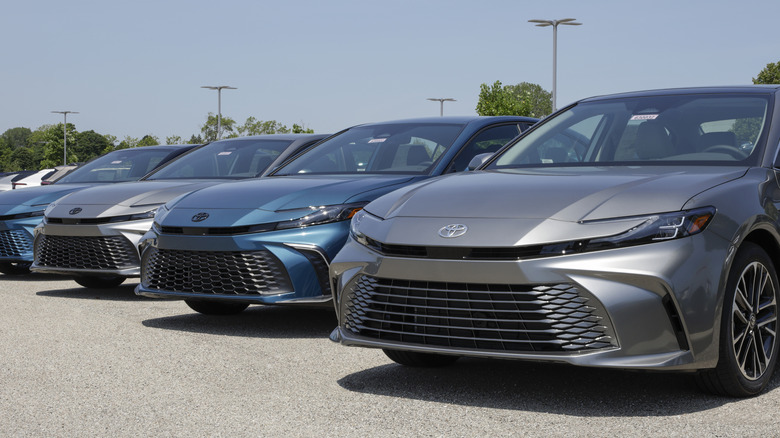
It's not always financially prudent to drop a lot of money on a new, fuel-efficient vehicle just because gas prices have spiked. Oftentimes, the money math just won't work out in your favor. Even so, the rise in gas prices due to the ongoing conflict in Iran has led many car buyers to consider switching to more economical vehicles like hybrids.
What many buyers are finding, though, is that hybrids are harder to find on dealer lots right now, because of increased demand and reduced supply. Thus, if you're thinking of buying a hybrid, you may need to act quickly to secure your vehicle, especially if you can get an in-demand hybrid vehicle at the right price. The new, hybrid-only Toyota RAV4 is a major example, with RAV4 buyers facing long wait times for their vehicles as Toyota struggles to meet demand.
This issue extends to the used market, where demand for used hybrid vehicles is also very strong. Electric vehicles can also help buyers save money at the pump, of course, but higher vehicle prices, the loss of federal incentives, and other potential limitations mean that hybrids are the sweet spot for many buyers, increasing demand and keeping prices high.
High gas prices, high demand for hybrids
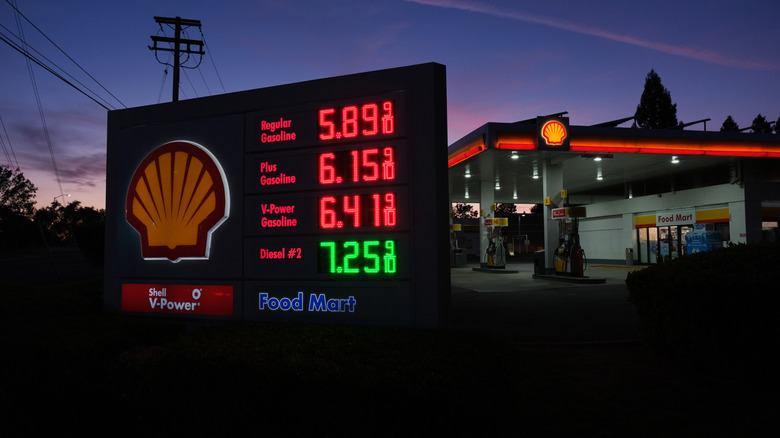
It's an interesting time in the new-vehicle market and the auto industry as a whole. On one hand, the industry's push for electrification, strict fuel economy targets, and greener vehicles has slowed in the wake of emissions standards rollbacks and reduced federal incentives. However, stubbornly high gas prices across the country are making buyers think twice before buying particularly fuel-inefficient vehicles.
The hope, of course, is that a change in the geopolitical situation will eventually send gas prices back down. For now, though, these high gas prices have boosted the demand for fuel-efficient vehicles. A September 2026 report from Cars.com highlights some of the numbers driving the current market, showing the difficult balancing act between supply and demand that automakers are trying to strike.
Days on lot is an important metric for the car market, as it shows how long a given car stays on a dealer's lot before it's sold. In August 2026, the average time on lot for new hybrid vehicles was 46 days, down a full 10% from 2025. Unfortunately for buyers, hybrid vehicle supply didn't keep up, only growing by 1% during the same month.
The new normal or a temporary situation?
It isn't hard to see why buyers are drawn to hybrids right now, as they can potentially offer drivers huge savings at the gas pump without the limitations of electric vehicles. The same Cars.com report showed that 25% of car shoppers preferred hybrid powertrains. However, in Cars.com's August 2026 new-car listings, only one in eight vehicles was a hybrid. It's easy then to see the disconnect between demand and supply.
It's a similar story in the used market. There, used hybrid supply was up 24% from a year ago, which is good, but time on lot was just 38 days. This is lower than the average new hybrid, and makes used hybrids one of the fastest-selling used vehicle types on the market. It's worth noting that spiking gas prices have also impacted EV sales. Cars.com's study showed that average days on lot were up from prior months, but electric vehicles were still selling 14% faster than in August 2025.
There are lots of things to consider before buying a hybrid vehicle, including whether the price premium will pay for itself in the long term. For now, though, your primary consideration should be whether a dealer even has the hybrid you're looking for.