

4 Ways A 3D Printer Can Help With Your Home Improvement Projects
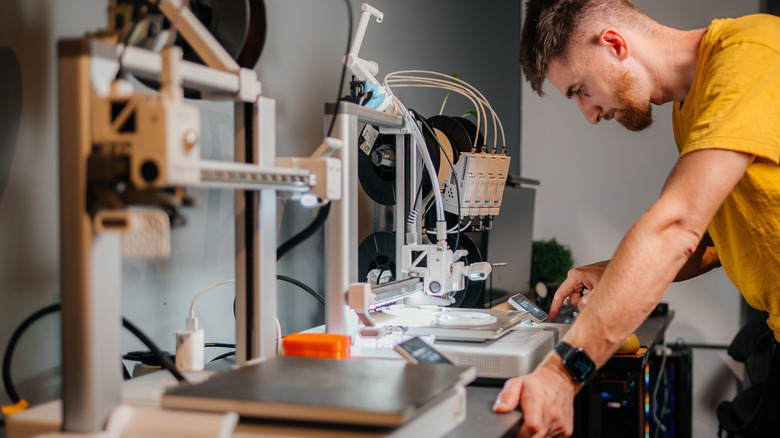
A home 3D printer is more than just a fun gadget for hobbyists. Depending on how you use such a device, it can serve certain very practical purposes. For example, a 3D printer can help you generate various clever home improvement products without having to spend money on them at a store. In fact, there are many ways a 3D printer can be valuable when you're completing home improvement tasks.
Yes, a 3D printer can generate fixtures and other complete items you may use to decorate your home. Be aware this isn't the only way to employ a 3D printer if you're tackling a home improvement project. If you're in the middle of a project and need to generate a smaller part you might not have on hand, a 3D printer could also be helpful in this capacity.
Just make sure you understand how to use one of these machines properly before leveraging it to help out with work around the house. Regardless of whether you're a beginner or an expert, it's wise to brush up on some 3D printing tips and tricks if you haven't used your 3D printer in a while.
A 3D printer can generate screws
There are absolutely instances when a 3D printer can produce a relatively sizable item that may be a component of an overall home improvement project. For instance, maybe you're installing new shelving. A 3D printer could theoretically generate shelves that align with your tastes and interior design style. That's just one of many clever 3D printer projects to give your home an upgrade.
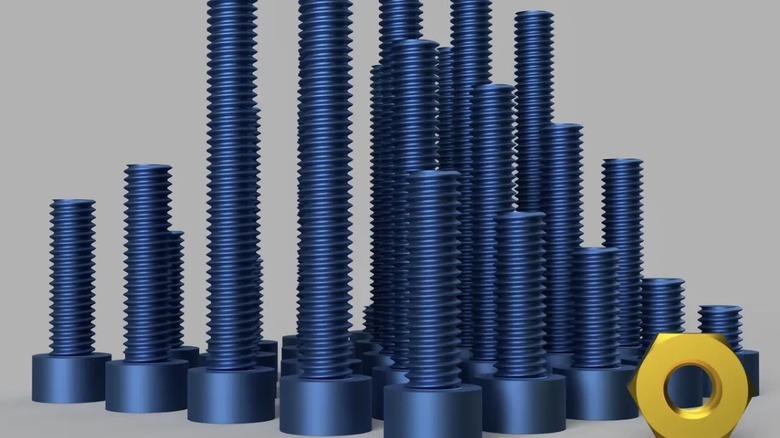
That said, it's also worth considering how a 3D printer can generate smaller items that may nevertheless play a significant role in home improvement jobs. Specifically, you can easily find files and instructions online for generating screws and other such items with a 3D printer. Doing so saves you a trip to the hardware store, and could even save you money.
You just want to confirm that the screws you generate with a 3D printer are durable enough to remain in good condition when incorporated into a larger structure or project. Make sure you're using proper materials and closely following all instructions to generate screws you can actually use.
A 3D printer can generate actual tools
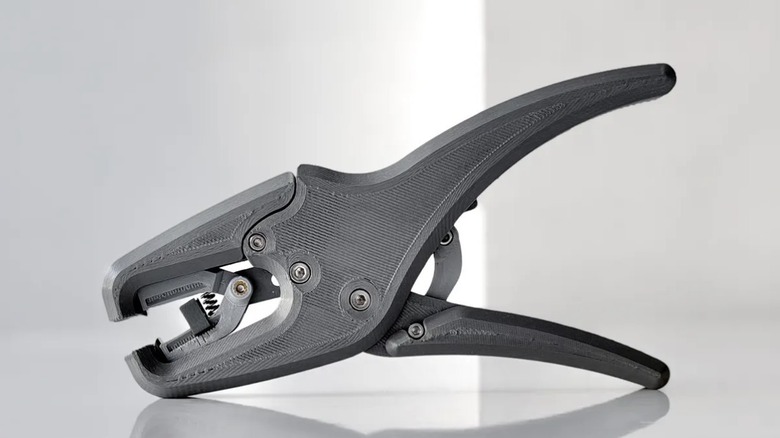
It can't be reiterated enough: When using a 3D printer to help with home improvement work, you need to inspect all 3D printing files and guides you use to make sure what you're generating will work reliably. However, if you're willing to take the time necessary to evaluate your options and check user reviews, you'll find it's often the case that a 3D printer can generate a specific tool you might not have.
Examples of tools a 3D printer can theoretically generate include wire strippers, table vises, sanding wedges and blocks, and even utility knives. There will be some components of these tools, like springs, screws, and knife blades, that you will have to source separately, but the majority of the tool can be 3D printed.
Granted, a durable set of tools is a wise investment for a homeowner. That's not to say you'll always have the tools you need on hand. In addition, there may be times when you're working on projects that require tools you don't typically have use for. You could buy them, or you could potentially save money by generating them at home. While a 3D printed tool typically won't offer the long-term use that one from a trusted brand offers, it can be a helpful option if you need to generate a tool you'll only use a few times.
3D printers generate small replacement parts
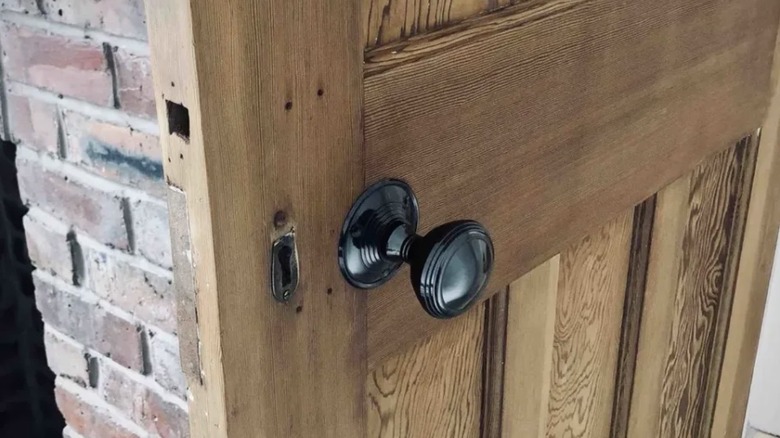
Just as a 3D printer can help when you need screws and other such small items, a 3D printer can also generate individual parts of larger items if said parts go missing, get damaged, or otherwise need an upgrade. They can also help when you want to add some custom flair to an otherwise generic household component or fixture.
There are many examples of this type of project worth considering. Perhaps you want to upgrade the knobs on certain doors in your home. Maybe you want to change up the design, or maybe they're in disrepair and need to be replaced accordingly. You can browse files for 3D printed doorknobs and handles to see if there are any designs that call to you before you decide to purchase replacements.
Various types of furniture feet can also be recreated with a 3D printer. As always, you just have to be confident the parts you're generating are reasonably strong. A 3D printed foot for a couch can look impressive, but it needs to support the couch's weight as well.
3D printed items can help you organize your tools and materials
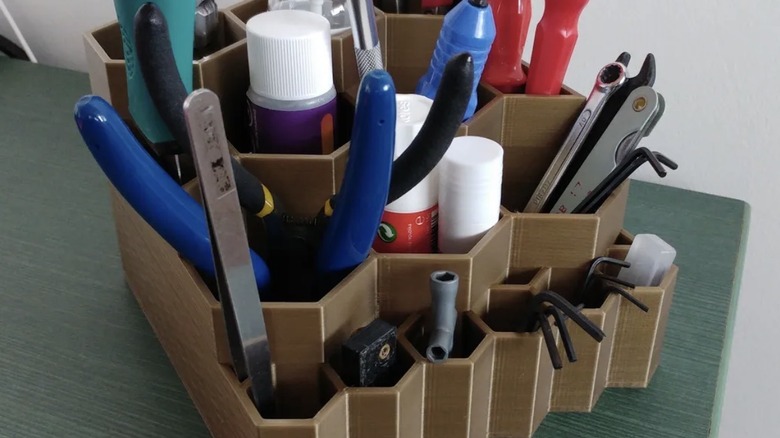
A 3D printer can do more than simply help you generate items to be used in home improvement projects themselves. It can also help you organize the various tools and materials you use for those types of projects in the first place.
The list of ways a 3D printer can serve this purpose is very long. For example, you can use a 3D printer to generate clips and similar items to keep cords bound together. A 3D printer can generate replacement handles for everything from tool chests to drawers, it can create plastic covers to protect items from dust, and more. You can even 3D print custom tool organizers so you can always have the right tools on hand.
Just remember, safety is your top priority. If you're working on a project where components may be exposed to substantial heat, pressure, or any other such forces, strongly consider working with parts you know can withstand these forces instead of parts you generated yourself. If you're ever unsure whether it's safe to 3D print a part for a given project, it's best to err on the side of caution and buy the part from a trusted manufacturer. Still, as these examples demonstrate, there are plenty of ways to use a 3D printer that can make finishing up home improvement projects much easier.