

These May Be The Biggest Drawbacks Of Full-Time Houseboat Living
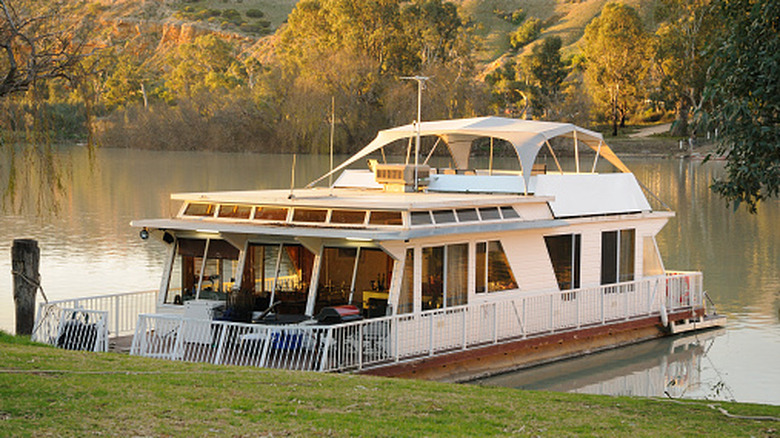
The idea of living on a houseboat, waking up to breathtaking views, and enjoying nature away from the hustle and bustle of the city feels exciting. And many people are indeed living on houseboats full-time across the United States. In some areas, it can be cheaper as well, especially given the increasing cost of housing. Even apartments are expensive in many places, making houseboats feel like a viable alternative. But the idea has downsides too, some that you may anticipate early on, while a few may only become apparent later.
The major drawbacks of full-time houseboat living include complying with local regulations, finding the right marina, making do in cramped spaces, higher insurance costs, regular maintenance and upkeep, limited utilities, and the depreciation that comes with your purchase. Additionally, you'll have to prepare for a variety of weather conditions, like storms, freezing temperatures, and scorching heat. You'll also want to be sure that you know how to dock your boat safely.
While some of these are easily manageable, others may come as a surprise if you haven't planned things well in advance. If you're thinking about living on a houseboat full-time, you should be aware of the drawbacks so that you can plan accordingly.
Finding the right marina, local laws, and space constraints
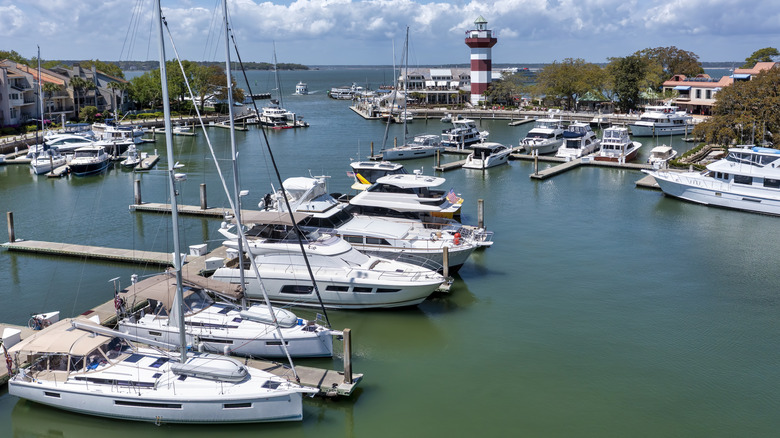
One of the biggest problems with living on a houseboat is finding a place where full-time houseboat living is legally allowed and a marina that fulfills all your requirements. Remember, the regulations are not uniform across the country and can vary from one state to another. So, before you commit to a particular location, be sure to review the local regulations. It's not just the region; the choice of marina is just as important and requires careful consideration.
First, not every marina allows full-time living on a houseboat. Some permit seasonal stays, and you have to vacate the premises at certain times during the year. There may also be strict rules that make your experience a lot less pleasant. You should ideally look for a marina that offers year-round residency, provides the necessary utilities, allows mail delivery, and fits your budget. Many good marinas have a waiting period, which can sometimes be as long as three to seven years.
If you are moving to full-time houseboat living after having spent a good deal of time in a larger house, the space constraints might be a problem. You won't have as much storage space, the hallways may feel cramped, and you will have to invest in multipurpose furniture. If you are sharing the space with others, try to find a suitably sized houseboat that can comfortably accommodate everyone, or be ready to adapt to coexisting in smaller spaces.
Additional costs, maintenance, and depreciation

While living on a houseboat can be cheaper than owning a house on land in some markets, there are still a lot of expenses. Even if we ignore the initial purchase cost of the houseboat, there's the marina slip fee, which is what you pay to rent the space. This varies dramatically and is often calculated based on the size of your boat. Generally speaking, marina slip fees can range from several hundred to several thousand dollars per month. This doesn't include utility costs in many cases, so that's an additional expense you will have to account for. There's another problem with this. Not every marina uses the same methods to measure boats, which can be confusing for someone new to houseboat living.
Keep in mind that the marina's location, slip size and type (whether covered or uncovered), and available amenities influence the final price. You may get a discount on long-term or annual contracts, though. Maintenance is also a key part of living on a houseboat and an additional expense. Your houseboat will need repairs from time to time, which often require professional assistance.
A full-time houseboating couple told The Escape Home that it's important to learn basic repair skills and keep the essential boat tools on hand, as doing so can save you some money. Lastly, your houseboat, unlike a home on land, is a depreciating asset. Its value decreases over time, just like your car. So, buying one may not be the best decision for everyone from a financial standpoint. But if you don't plan to sell it and are committed to living on the houseboat full-time, the investment can be worthwhile.