

What's Causing So Many Car Sunroofs To Shatter Without Warning?
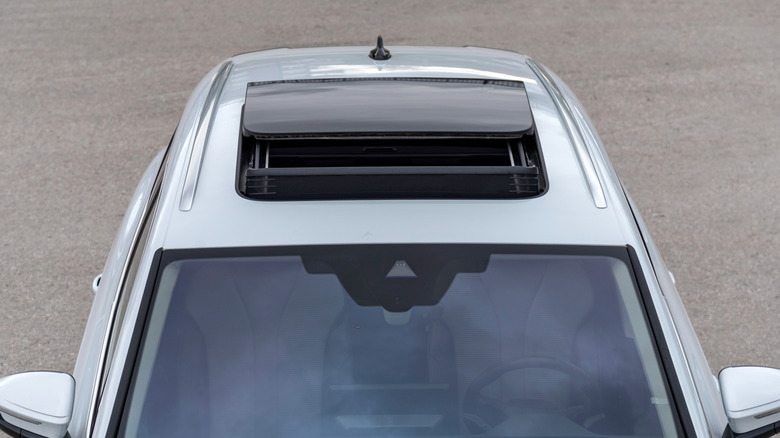
Whether you call it a "sunroof" or a "moonroof", a retractable roof panel is a very popular option on modern vehicles, and it's not hard to see why. When the weather is nice, a retractable sunroof can make even a practical sedan or SUV feel a little like a convertible, bringing sunlight and fresh air into the cabin.
However, it's not always sunshine and open-air fun when it comes to these roofs, and there are valid reasons you may want to steer clear of a sunroof on a new or used vehicle. Potential downsides include leaks, added weight, and electrical issues, though it has to be said that a lot of those problems usually occur once you've owned your vehicle for a while.
However, 2026 has seen a growing trend of sunroofs spontaneously exploding, even on brand-new vehicles, with many drivers reporting shattered sunroofs across a range of vehicle types. However, it doesn't seem like there's anything wrong with the sunroofs themselves: weather conditions and debris might explain many of these failures, as may the increase in sunroof-equipped vehicles on the road these days.
A startling, rising trend
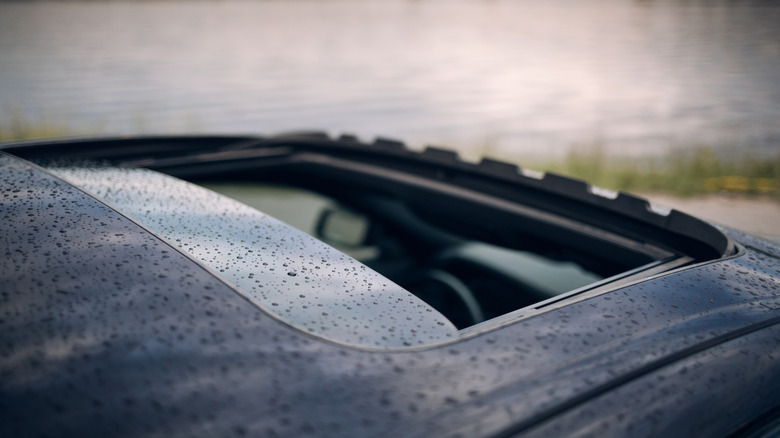
While a leaky sunroof on a car might be annoying or costly to repair, it's not nearly as frightening as the sunroof suddenly shattering while driving — and that's what a record number of drivers have been reporting. According to an August 2026 Wall Street Journal report, complaints related to broken sunroofs are set to hit a new record high in 2026.
Because the problems have been reported across multiple cars and sunroof types, there doesn't seem to be one single flaw or defect we can attribute this rise to. Per the Wall Street Journal, the NHTSA previously opened a probe into the Kia Sorento SUV after reports of shattering sunroofs, but could find no evidence of a manufacturer safety defect. The automakers themselves have also launched investigations but have not yet found any evidence of defects.
Instead, the shattered sunroofs are more likely a result of road debris or environmental factors. While it's impossible to avoid debris, one way to mitigate the risk is by keeping the inside of the vehicle cool, as abnormally hot or quickly changing temperatures can have an effect on the sunroof glass and make it more prone to cracking or shattering. Given the potential causes, drivers will have to rely on insurance, instead of manufacturers, to cover any repairs, much like they would for repairing cracked windshields.
More sunroofs, more problems?
While there are certainly more shattered sunroofs now, the most likely explanation is that there are more sunroof-equipped vehicles on the road than ever before. While sunroofs and moonroofs were once mostly limited to luxury models, an Omdia report (via The Wall Street Journal) states that over 50% of new vehicles sold in America now have a sunroof. This is up from 35% of new vehicles having sunroofs just 10 years ago.
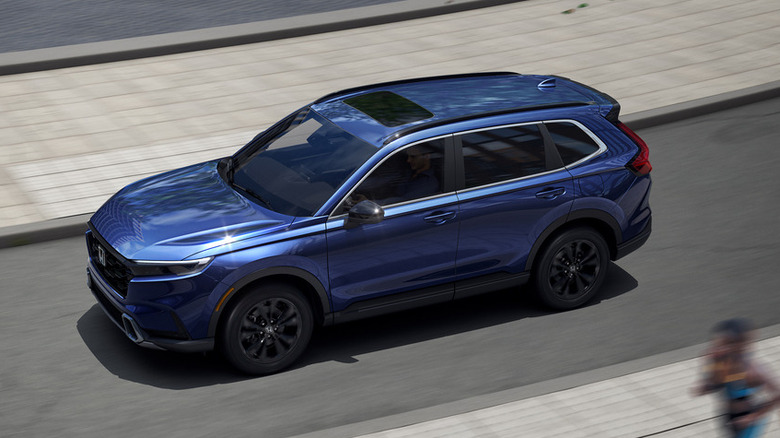
Indeed, even a popular, mainstream vehicle like Honda's best-selling CR-V offers a power moonroof on every trim except for the base model. This means that even if car buyers don't particularly want a sunroof or moonroof, they may be forced to have one to get the other options they want.
So, rather than modern sunroofs becoming unsafe or more failure-prone – or hot weather shattering roofs at a record rate – complaints may have increased simply because there are more sunroofs out there to go wrong. That said, one change may have also played a part. Modern sunroofs are larger than before, increasing the likelihood that debris hits them on the road.