

How To Tell If A Ford Mustang Is A Genuine Shelby Or Just A Clone

There are numerous ways to tell the difference between a genuine Shelby Mustang and a great-looking clone that appears to be authentic but isn't. Because a real Shelby can sell for many times more than a dressed-up Ford Mustang, buyers need to know what makes a Shelby Mustang different than any other model. Don't trust anything on trust — verify.
Let's start with something you can do before you leave home to look at a 'Stang. It's called research, and doing it in advance can save you a lot of unnecessary travel, aggravation, and heartache. Shelby Mustangs rank among the rarest Ford Mustang models ever made, and their identification changed over the years. During the first two years of production, in 1965 and 1966, they had a separate Shelby data plate with a unique serial number that started with SFM for Shelby Ford Mustang. In 1967, Shelby switched to a longer serial number, while the 1968-1970 cars dropped the separate SFM plate and used Ford VINs, with Shelby-specific codes built-in.
If this sounds confusing, the good news is that the Shelby American Automobile Club (SAAC) has been tracking Shelby cars since 1975. It has become known as the foremost independent authority on authenticating Shelby Mustangs. SAAC's registry tracks a car's window stickers, dealer correspondence, Marti Reports confirming Ford production data, and records of when and where the car was built. If a car's serial number isn't in the registry's records, treat it as suspect until it's verified. This is a good place to start.
How else can you tell whether a Ford Mustang is a genuine Shelby or just a clone?
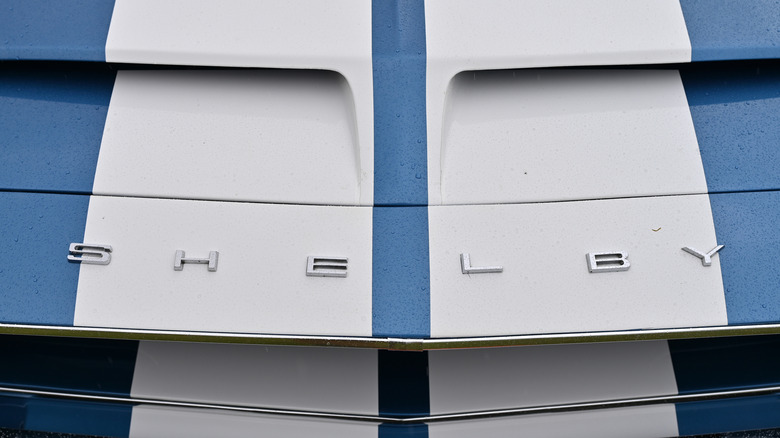
There are cars out there that look like Shelby Mustangs, but are actually tributes, clones, or even modern recreations. They may have the correct side scoops, the correct hood, and maybe even the correct engine, but the difference is in the small details. Cars like these won't have original Shelby documentation. They should be priced much lower than an original Shelby, unless the seller is passing one off as the real thing. That's when you really need to know what you're looking at, so you can avoid a very expensive mistake.
That's where our next tip can help. If you're in search of a real Shelby Mustang, you can hire a Shelby Mustang specialist to perform a pre-purchase inspection on the specific car you're interested in. A Shelby specialist should know everything about the car you're considering and will likely flag any details that don't match what the seller claims. Between a Shelby specialist, a Marti Report for 1967 and later cars, and confirmation that the car is in SAAC's registry, you should have all the information you need to either buy with confidence — or run away very quickly.
Shelby Mustangs can be difficult to understand, and even the Shelby name has a complicated history with Ford stopping to use the Shelby name. Fortunately, there are many resources in place to help you separate the originals from the cars that look authentic but don't hold up to close scrutiny.