

Can You Sharpen A Serrated Knife? Yes - Here's How To Do It Safely
We may receive a commission on purchases made from links.
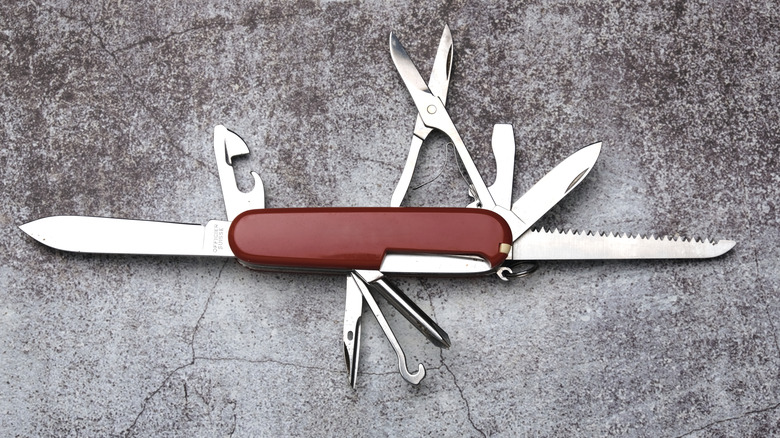
Serrated knives are common in tool sets, not just in the kitchen. Many Swiss Army Knives include a serrated edge among their tools, including some battery-powered options. You'll also find them in the kits of emergency responders, military personnel, or tucked into many tool boxes. But just like standard knife edges, they can dull over time.
The good news is that you can sharpen a serrated knife, even partially serrated blades like you'll sometimes find on a Leatherman. It's good to have an idea of whether you need to sharpen both sides of a Leatherman's included knife. However, the process is a bit different from sharpening a plain-edged blade. You'll want to use either a special tool like a tapered sharpening rod sized for the gullets (the curved recesses), or invest in an electric sharpener capable of handling serrated knives.
In either case, you'll want to start by cleaning the blade. If you're sharpening a folding knife or multi-tool, open it fully and make sure it's locked in place. Be sure to work in good light, and for an electric sharpener, follow the manufacturer's instructions for serrated blades closely. For the Chef'sChoice Trizor XV Knife Sharpener, for instance, there's a stropping disk in the machine's third stage that is capable of sharpening serrated blades without stripping away too much metal.
Sharpen each gullet carefully
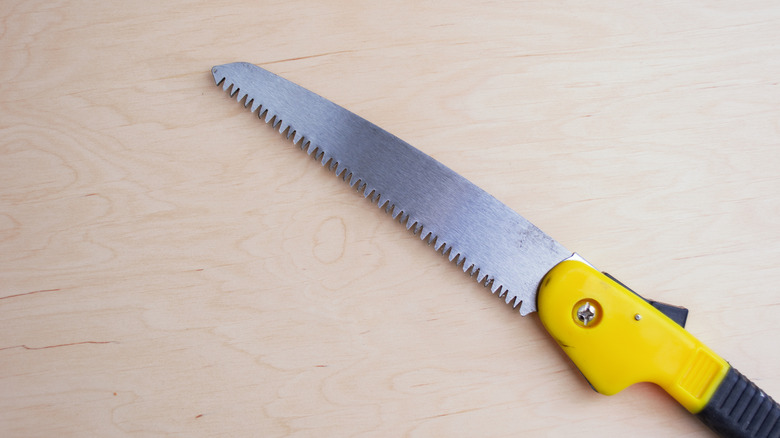
A good serrated knife (or multi-tool that includes one) is one of the best hand tools actually worth buying, and a sharpening rod is an important accessory to keep it in fighting shape. To use one, place the tapered rod into a serration until it's snug. Then use light pressure to make a few smooth strokes away from the cutting edge, keeping the rod clear of your body and supporting hand. Keep the rod aligned with the existing bevel and sharpen every gullet individually, moving along the edge from heel to tip.
You may find there's a burr rising on the flat reverse side. If this is the case, remove it with a couple of very light passes on a fine sharpening stone or leather strop, keeping the blade's back face flat against it. Never grind the reverse side, as this can wear down serrations and strip some of the metal that makes them effective. If you've got a serrated hunting or utility knife that's showing significant chips, bent teeth, or really uneven gullets, sharpening yourself is probably not the answer: consider getting it repaired by a pro (or replacing it if it's too far gone).