

US Ends Two-Year Investigation Into Jeep Fire Risks
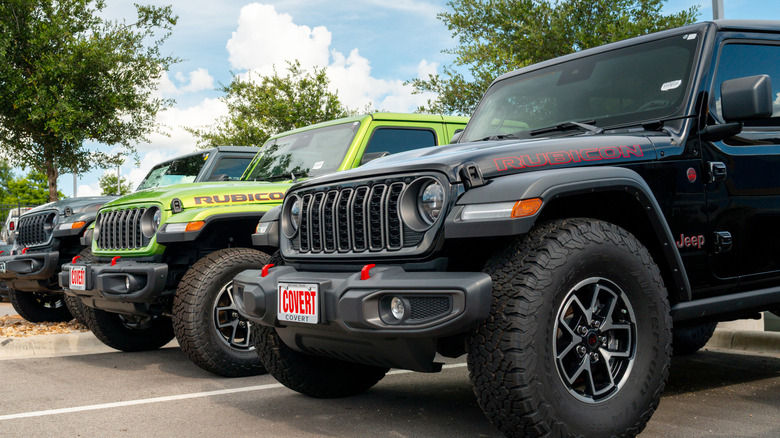
When word started about underhood fires suddenly starting in parked Jeep Wrangler SUVs and Gladiator trucks, there was some serious cause for concern among owners. The United States National Highway Traffic Safety Administration (NHSTA) opened an investigation into these claims in the waning months of 2024. Now over two full years after the probe initially began, the U.S. government has concluded its investigation.
Over the course of its probe, the NHTSA looked at approximately 781,500 cumulative Wrangler and Gladiator models, specifically those of the 2021 to 2023 model year range, that were produced between June 24, 2020, and December 2, 2024. Taking additional precautions, Stellantis recalled over 1.08 million vehicles in total within the 2021 to 2025 range, which is a lot, though a far cry from the historic over 100 million vehicle-impacting vehicle recall that hit Takata in 2008. With the investigation now closed, the NHTSA noted that it will continue to monitor the situation from afar going forward and step in where necessary.
Later on, Jeep figured out what was causing the issue that affected so many owners. It all came down to a small and inconspicuous but clearly influential design mistake that Jeep drivers could have repaired free of charge.
The cause of the sudden Jeep fires
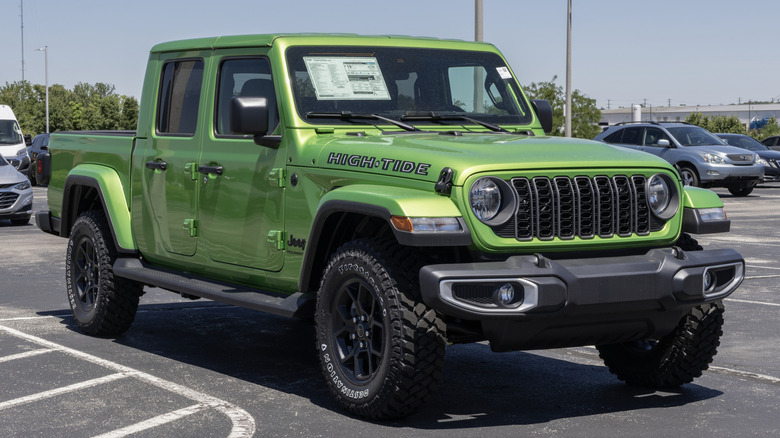
The idea of simply parking your Jeep Wrangler or Gladiator only for it to catch fire out of nowhere is scary as it is. Worse yet, the fires could begin even when the vehicle's ignition was turned off, making preventing or preparing for such an incident all the more difficult. As the issue became more apparent and the investigation began, Jeep drivers were prompted to take their impacted model to their local Jeep dealership to remedy the situation as soon as possible. In the meantime, Jeep urged drivers to park their vehicle outside and away from structures. With all of that said, though, what exactly was going on?
The investigation determined a fault in the electrical system near the power steering pump was to blame. The wiring in this area was prone to overheating, which ultimately spiraled into a full-on fire without the Jeep owner's knowledge. When brought in as part of the recall, dealerships would either inspect and approve of the pump's condition or replace it entirely for free to prevent a potentially impending fire.
If you're concerned about your vehicle in any way, it's worth checking to see if your Jeep has a recall notice on it. Even if this specific design defect didn't impact your Jeep, it's always worth keeping tabs on any possible recalls or other notices for the sake of your vehicle's condition and your physical safety.