

How Long Does It Typically Take To Replace A Water Heater?
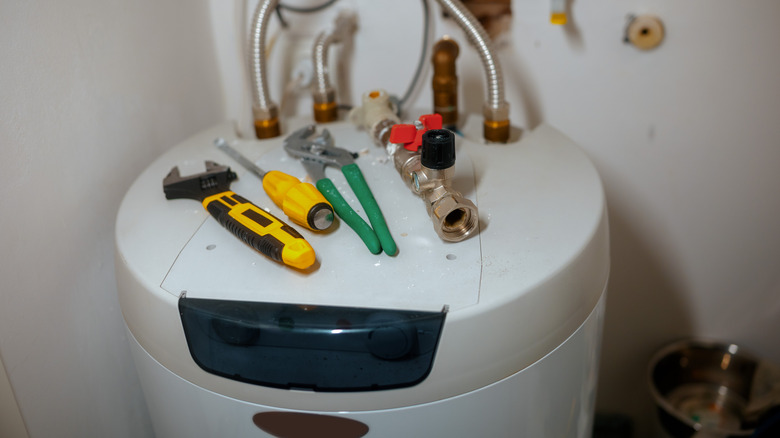
If you are planning to replace a water heater, you have probably wondered how long the job will take. The good news is that it's fairly quick. A professional can usually handle a like-for-like replacement in about two to four hours under ideal conditions. Like-for-like means the old and new water heaters are the same type (tank or tankless), have a similar capacity, and run on the same fuel, whether that's electric or gas.
Switching to a different type, such as going from a tank to a tankless unit, takes much longer. It can stretch to a full day or more if the job needs a large gas line, new venting, or an electric upgrade. If you are doing it yourself for the first time, expect even a like-for-like swap to take longer than a pro would.
Replacing a water heater involves several steps, and some take longer than others. Some tasks also overlap, so they don't always add to the total time. For example, draining the old tank can take anywhere from 20 minutes to an hour, depending on how much sediment has built up. However, you can use that time to disconnect lines and get the new unit ready.
The process generally involves checking the existing setup, cutting off the power and/or gas supply, draining and removing the old water heater, installing the new one and reconnecting the lines, refilling the tank before restoring power or gas and doing a final inspection to check for leaks and proper operation.
For electric water heaters, this usually takes about two to three hours. Gas models can take up to four hours, since they involve a gas line connection and venting. There's also difference in costs, and depending on your old unit, an electric water heater can save you money or cost more, and vice versa.
Factors that add to the replacement time
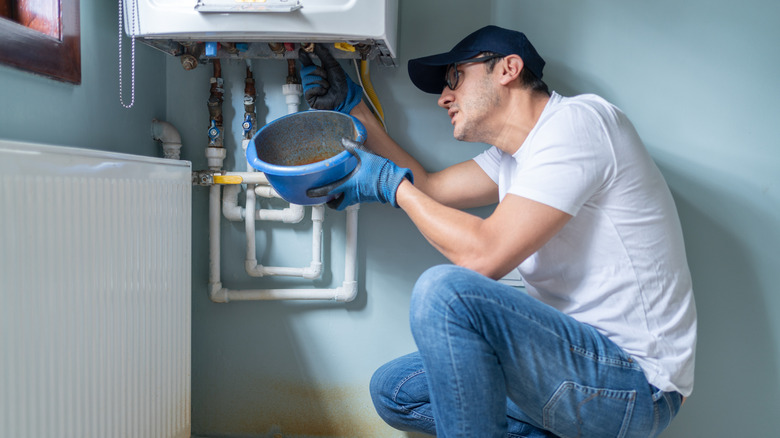
The biggest factor is whether you are replacing your water heater with a similar model or switching to something different. A like-for-like replacement is more straightforward because it rarely needs major modifications. That said, some changes may still be needed depending on the condition of your existing setup and whether it meets local codes. For example, corroded shutoff valves or old supply lines may need replacing, or the venting may need adjusting. If your current installation was done under older standards, it may also need updates like an expansion tank or a new drain pan to pass code. Keep in mind that newer water heaters are often taller or wider than older models due to stricter efficiency rules, so even a same-capacity unit might not fit the old spot without some tweaks.
Access matters too. If the water heater sits in a cramped closet, attic, or crawl space, getting the old unit out and the new one in takes more time. Doors, trim, or shelving may need to be removed, or the opening may need to be widened. If space is tight, expect the job to take an hour or more longer. A good plumber will usually flag this when they access the job.
Draining the old water heater can also add time. Usually this step overlaps with prep work, so it doesn't slow things down. However, if the tank has heavy sediment buildup, or hard water deposits have clogged the drain valve, draining can take much longer. In those cases, expect a delay of 30 minutes or more.
Tips for seamless water heater replacement
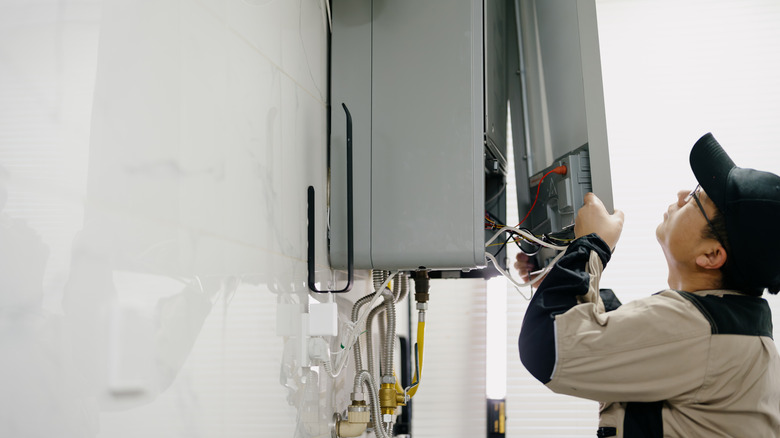
A little planning can save you from a lot of trouble and cut down the replacement time. Here are a few things that you can do before the technician arrives:
- Take clear pictures of the existing water heater, its connections, and the rating plate, which lists the model, capacity and fuel type. This allows the technician to plan ahead and bring the right parts and equipment.
- Proceed to remove boxes, storage, or anything else around the water heater to help the technician have ample space to work.
- Look up the new water heater's dimensions, and measure the doorways, hallways, and stairs it needs to pass through.
- Make sure the water and gas shutoff valves are easy to reach and they turn freely, to eliminate any sort of delay.
- It is advisable to stick to like-for-like to ensure efficient and hassle-free replacement.