

Diesel Vs Gas Engines: Which Is Easier For Home Mechanics To Repair?
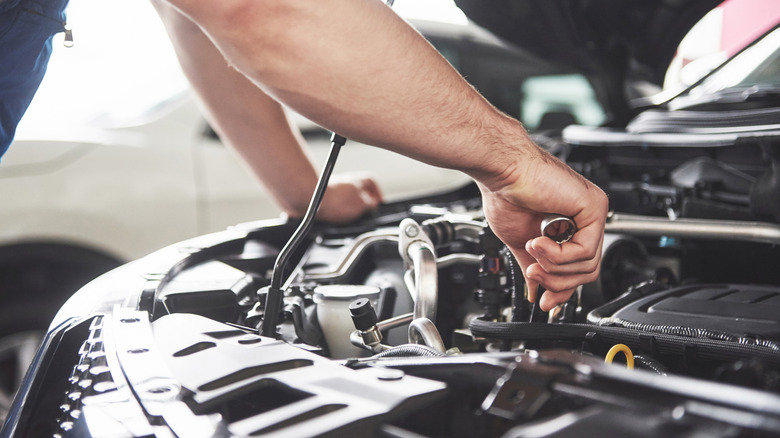
You should never perform any repair work on any type of engine unless you're genuinely confident you have the experience and expertise necessary to do so safely. That said, from general upkeep to basic repairs, there are various engine-related tasks for which the DIY route may be acceptable. However, it's important to remember that being able to comfortably repair one type of engine doesn't mean you're qualified to handle all engine repair jobs. For example, you may wonder whether repairing a diesel engine or a gas engine is easier for a home mechanic. Although many factors contribute to the difficulty of a given repair task, generally, a home mechanic might encounter more problems working on a diesel engine.
There are a few reasons this is the case. For example, a diesel engine must compress air before fuel ignition can occur. Thus, a diesel engine may be heavier than a gas engine, as it needs to be able to properly withstand the higher pressures associated with the increased demand for compression.
It's important that diesel engines have durable components. However, these types of components are often costly when compared to gas engine parts. At the very least, this means that buying the parts needed to perform home repairs on a diesel engine can be expensive. That's just one reason it's typically easier for a home mechanic to repair a gas engine.
Repairing diesel vs. gas engines: factors to consider for a home mechanic
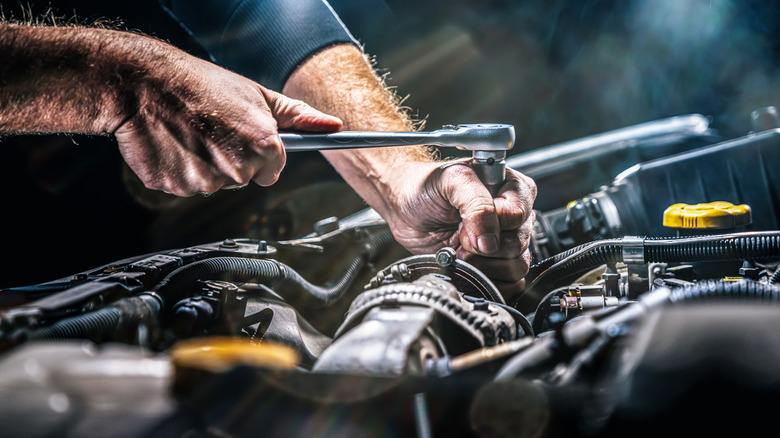
Diesel engines don't just have costlier parts; they may have more parts than gas engines in general, as their fuel injection systems are more complex. The more complicated an engine is, the more difficult it may be to repair. Remember to account for this when determining whether you're qualified to repair a failing engine.
On the other hand, if you're evaluating the pros and cons of diesel engines (including their unspoken downsides), it's worth noting that diesel engines tend to require less frequent maintenance and repairs than their gas counterparts. Maintaining and repairing a gas engine may be less expensive, but tasks like replacing spark plugs and other such components might be more demanding in terms of overall time spent on repairs and maintenance.
As always, what's most important is honestly assessing whether you're able to safely repair your engine, no matter what type you have. This doesn't just mean determining if you understand how to perform a given repair task. For instance, you also need to be certain you have all the right equipment for a home mechanic to work safely. If you ever have any doubts regarding whether you can properly repair an engine, err on the side of caution and get in touch with the professionals.