

The Downsides Of Diesel Engines Nobody Talks About

Diesel engines are regularly praised for their advantages such as increased torque and lengthy service life. Diesel engines are more efficient than gas as well, due in part to the increased energy density of diesel fuel. However, not everything about these power units is worth raving about. Chief among common complaints is the increased cost of buying a diesel vehicle. Take the 2026 Ford Super Duty F-250 for example, which asks for an additional nearly $12,000 when selecting the 6.7-liter Power Stroke V8 Turbo Diesel engine over the 6.8-liter V8 gas option.
However, while higher prices usually dominate the conversation with regard to diesel downsides, there are some other disadvantages that seem to receive little attention. Take for instance, something called wet stacking, where the exhaust system of a diesel starts to collect unburned fuel. This can result in a dark ooze forming that can actually exit the end of the exhaust system, in addition to causing other problems with components like the injectors.
Another negative for a diesel that doesn't apply to gasoline engines, is the requirement of DEF, or diesel exhaust fluid, commonly known as AdBlue in Europe. Unlike gasoline-powered automobiles that rely mainly on a catalytic converter, diesel owners have a more complex emissions setup with a diesel particulate filter (DPF), exhaust gas recirculation (EGR), a selective catalytic reduction (SCR) system, and the DEF reservoir. DEF fluid is held in its own tank and must be monitored and routinely refilled. If you run out of diesel exhaust fluid, your engine may go into limp mode, which greatly hinders performance.
How to prevent wet stacking
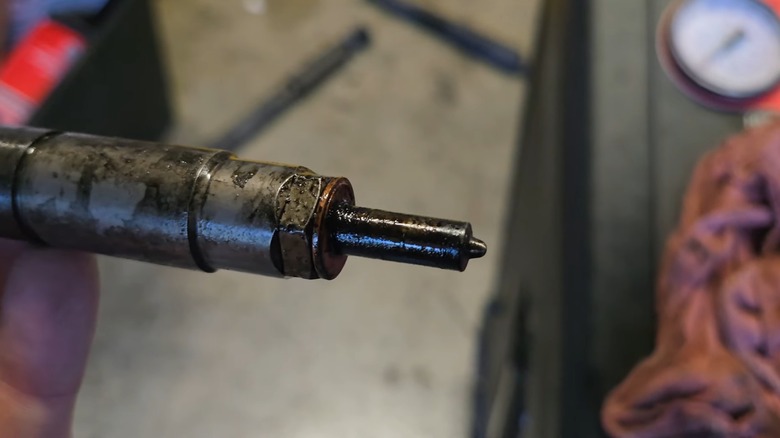
Obviously, thick oil-like sludge moving through your diesel is bad news, but what actually causes it, and how can you help prevent it from happening? One of the reasons for unburned fuel is running the engine well under capacity for a significant amount of time.
According to YouTube channel Bearded Ford Tech, operating at between 30% and 50% of the total output can cause wet stacking if done at length. This is because in order to burn fuel thoroughly, the optimum engine temperature levels must be reached.
So, prevention of wet stacking involves adding load to your engine on a regular basis. A diesel pickup needs to be pulling trailers and hauling materials in order to help reach higher engine temperatures. In addition, some people idle diesel engines, which can be helpful after driving to cool down the engine, but can contribute to wet stacking if idling for extended periods.
DEF maintenance and what to watch out for
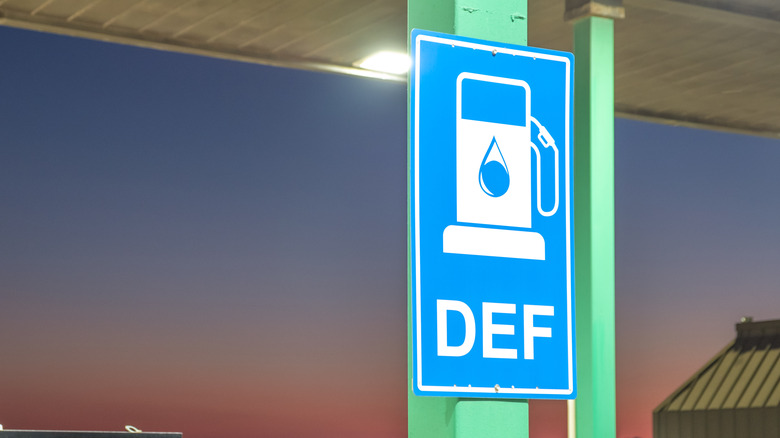
While maintaining DEF levels in a diesel is required per EPA regulations, there's no denying it adds another task and cost into the equation. Fortunately, DEF fluid isn't consumed at the same rate as diesel fuel.
For example, one estimate says that over the course of burning up 200 gallons of diesel, you be down just one gallon of DEF on something like a 6.7-liter Powerstroke. Put another way, you'll probably need to fill up your DEF tank every 3,000-to 10,000 miles, depending on several factors. Nevertheless, it's recommended to check DEF levels at every fueling stop to ensure you aren't getting low.
Unfortunately, you can experience trouble relating to the DEF system, and it comes in the form of crystal buildup. While you can find DEF at many truck stops alongside the diesel fuel pump, you can also buy containers of it. If you store those containers in places where they're exposed to direct sunlight or keep them beyond their shelf life and then add them to your system, it spells trouble. Essentially, DEF fluid can partially evaporate, while the remaining urea hardens into crystals which can cause problems for diesel systems like the SCR. For prevention, it's crucial to handle DEF fluid properly, and avoid driving behaviors that include frequent brief trips at low engine capacity.