

How Daikin Helped Change The Refrigerant Used In Air Conditioners Worldwide
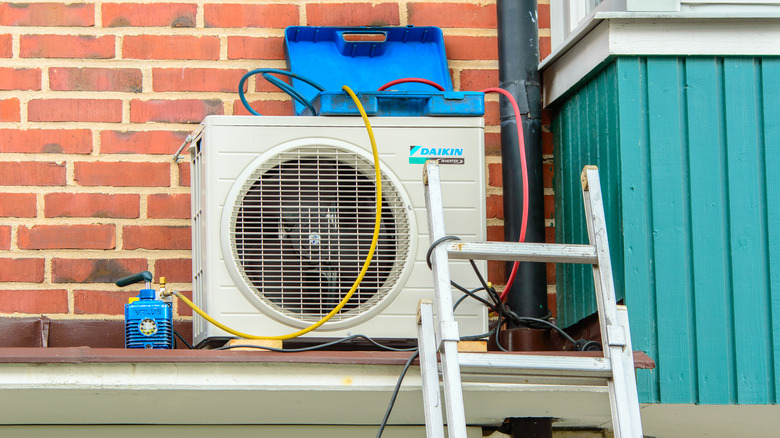
Chlorofluorocarbons, or CFCs, have been in use in AC unit refrigerants for around a century. In 1928, General Motors inventor Thomas Midgley, Jr. synthesized the first CFCs in an attempt to replace methyl chloride, ammonia, and other dangerous gases that were used in the cooling systems of the time. However, it was later discovered that CFCs were made from harmful greenhouses gases that were found to contribute to a considerable gap in the ozone layer in Antarctica in the 1980s. As such, the industry pivoted away from them, instead choosing hydrofluorocarbon refrigerants such as R-32, which didn't have this effect on the o-zone layer.
Today, R-32 is a popular type of refrigerant, with more than 370 million systems that use it having been purchased across the globe. R-32 was popularized in a big way by air conditioner manufacturing heavyweight Daikin. Though Daikin wasn't the one to invent or produce this refrigerant first, it did pioneer the systems that use it. For instance, it developed the first-ever A.C. unit for homes that used R-32 refrigerant, and its EWAT-B series of air-cooled chillers, which were introduced in 2018, are 68% less harmful to the environment compared to air-conditioners using R-410A. Daikin, known for its relatively expensive air conditioners, was instrumental in making R-32 refrigerant use more widespread. It would go on to share patents, train global workers in the treatment and handling of R-32, and more.
What's so different about the R-32 refrigerant
The Intergovernmental Panel on Climate Change issued a Fourth Assessment Report that makes it all too clear what a difference R-32 can make. According to Daikin, the report shows that "R32 has a 66% lower 'Global Warming Potential Factor' which provides less risk of harm to the environment," compared to the commonly used R410A. There are further benefits to R-32 as well. It's a single-component refrigerant, for one thing, which makes recycling it much easier than recycling certain blended refrigerants. It can also be more efficient because systems that use R-32 broadly require around 10% less electricity than counterparts using R410A.
Since it started pushing for R-32's implementation in global systems in 2015, Daikin reports that it "has provided worldwide free access to 93 patents that aim to support air conditioning manufacturers transition to using R32 refrigerant." In nations such as Malaysia, India, and Thailand, work has also been completed or is planned to teach engineers how to store and utilize this refrigerant. Testing of appropriate appliance components for R-32 has also been completed in India.
Sharing this expertise, of course, means that Daikin's own systems are brought to the forefront for potential customers around the world, and the fact that the company also manufactures R-32 itself means that it certainly makes a lot of business sense to want to fight to make it more globally accessible.
There's more to Daikin's introduction of R-32
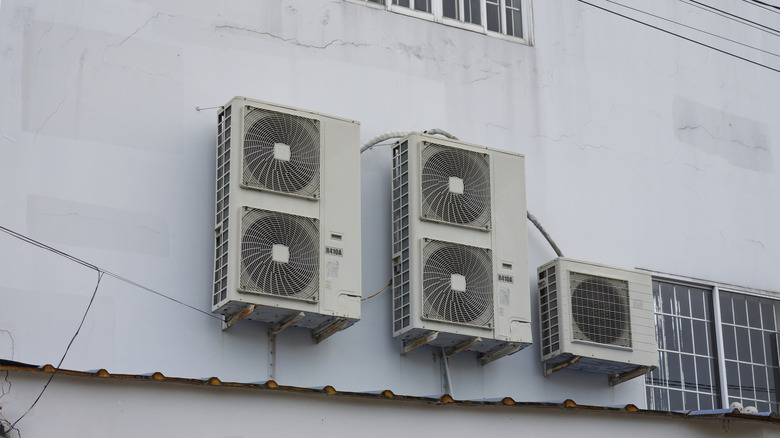
Daikin has been able to leverage its position as a manufacturer of AC units, and of the R-32 refrigerant that helps power so many of them, to sell more units and to increase awareness of the environmental harm that air conditioning units can do. However, specializing its infrastructure to best support the use of R-32 also raises a potential issue when another less environmentally harmful refrigerants rise in prominence.
R-454B is another alternative that could heighten energy efficiency even further. It's created not solely from HFCs (hydroflurocarbons), as R-32 is, but instead from a blend of HFCs and HFOs. The end result of this is even greater efficiency and a further improved environmental impact. With R-454B, the GWP (Global Warming Potential) is cut down to approximately 466 from R-32's 675.
However, being newer in the industry and not boasting a more unconventional makeup, its unfamiliarity is a big stumbling block for its widespread adoption. The biggest challenges are providing a ready-to-use stock of it and having enough systems set up to use it efficiently. R-454B is gaining popularity to be used in air conditioning systems. Yet at the time of writing, there are manufacturers, such as Daikin, that primarily stick with R32 for its accessibility and the existing infrastructure that makes its easy to work with.