

Tire Prices Are Going Up – What Drivers Should Know Before Their Next Purchase

If you're trying to save money in the current economy, then you might be waiting for the right time of year to buy new tires. The problem is that it's not an exact science and no matter how often you look, it seems the prices just continue to keep going up. That's the case right now and it has been for quite some time, according to the latest U.S. producer-price data.
The Bureau of Labor Statistics' Producer Price Index for tire manufacturing reached about 226.51 in August 2026, up about 1.2% from 223.77 in June. The index tracks prices received by tire manufacturers, giving drivers an indication of the pricing escalation in the industry before the tires even reach the retail market. This causes manufacturers to increase their prices, including Goodyear, which reported a $123 million second-quarter benefit from price and product mix compared with raw-material costs, helping offset its inflationary costs.
Pirelli has also increased its prices by around 1% to 2%, Maxxis went up by about 2% to 3%, while Forlander increased its prices by roughly 3% to 5%. Other manufacturers have announced increases as high as 5% to 10%. The amount of the increase can vary depending on the brand, tire type, and size, which means not every driver will see the same change. Though several of those price hikes hit during the spring, the continued increases mean waiting to buy a set of tires isn't necessarily going to result in a lower price later on.
How rising costs are affecting tire prices
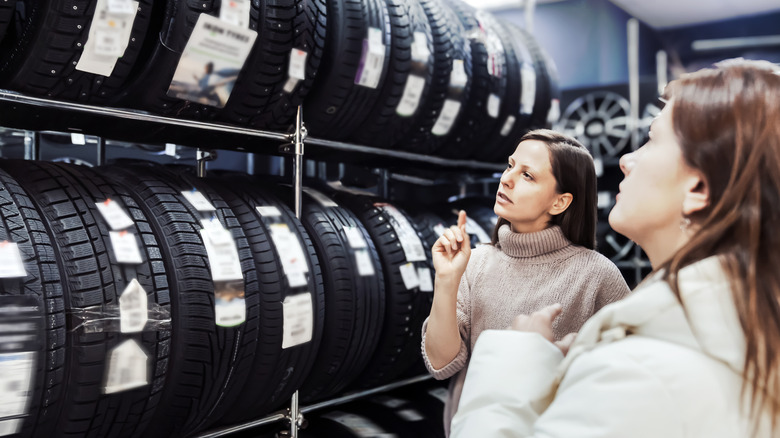
Tire manufacturers are exposed to various market fluctuations in the prices of natural and synthetic rubber, oil-based raw materials, energy, and transportation. As those expenses rise, some of that additional cost is passed along to customers. This became apparent in April 2026 when Michelin noted that the Middle East conflict was raising purchasing costs for raw materials and energy while also increasing the risk of disruptions to raw-materials supplies.
With tire prices on the uptick, drivers need to make sure they're getting the right tires for their money. Consumer Reports recommends choosing a tire based on how and where you drive instead of automatically paying for a more specialized type. For example, drivers who don't typically deal with snow and ice in the colder months may want to stick with all-season tires instead of paying more for a separate set of winter tires.
Drivers should also look beyond just the advertised price when shopping for tires. That's because the cheapest tire may not be the best deal, even when shopping online. Additionally, buying tires online can mean paying both shipping and installation costs, while local tire shops may include services like mounting and balancing in the purchase price. It's important to understand the hidden costs, be aware of the tire's features, and read reviews before making the final decision.