

Which Appliances Are Worth Getting An Extended Warranty For?
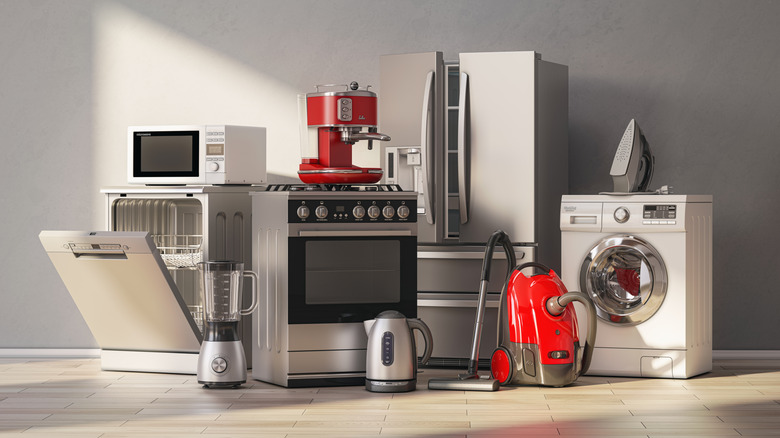
If you are buying a new appliance like a refrigerator, smart TV, washer, or dryer, you may have considered getting an extended warranty for it. It makes sense, especially if you want extended coverage for components not covered by the manufacturer's warranty. The idea is simple, you pay an additional amount upfront and save on any future repairs within the extended warranty period. But, as surprising as it may sound, an extended warranty is not the best option for every appliance.
Of course, there are some appliances where getting an extended warranty is worth the additional upfront payment. These include the ones that are relatively complex and more expensive to repair. The risk of failure, or how likely the appliance is to develop issues down the line, is another aspect you must consider. For example, smart appliances that offer advanced features like automated functions and remote control are more likely to fail than their older, more straightforward counterparts. Based on these factors, it makes sense to get an extended warranty for refrigerators, air conditioners, washing machines, dryers, dishwashers, and other similar appliances. Basically, any that are complex, have a higher failure rate, or are costly to repair/replace.
On the other hand, critics point out that extended warranties are not the best choice every time. A New York Times report highlights that when it comes to tech gadgets and appliances, the average payout rate is just about 24%, while that for health insurance stands at 90%.
Not every appliance benefits from an extended warranty
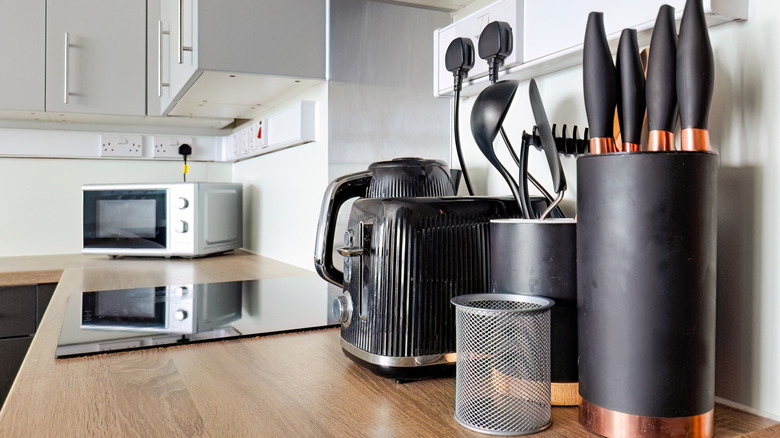
There are several appliances where you are better off without an extended warranty simply because the numbers don't add up. In such cases, you are likely to spend more on the extended warranty plan than you would actually end up saving on repairs. For instance, if a small appliance like a toaster or an oven breaks down, you are more likely to replace it than go for repairs. And even if you repair it, the cost is usually on the lower side. Besides, with the manufacturer already covering the first year (or sometimes more), most early issues can already be repaired at no cost. So, the extended warranty makes little sense.
Apart from that, it's also vital to consider the lifespan of the appliance, the duration of the manufacturer's warranty, what's covered under it, and how long you plan to use the appliance. For example, your refrigerator, which generally lasts for over 10 years, has most components covered by the manufacturer's warranty for the first year, and the compressor for 5-10 years, depending on the manufacturer. Although the refrigerator is something you should typically get an extended warranty for, the example highlights that many appliances are already protected against common issues.
That said, it's generally not recommended to get extended warranties for simple, inexpensive appliances that have low repair or replacement costs like ovens, microwaves, toasters, and other countertop appliances.
Things to check when getting an extended warranty
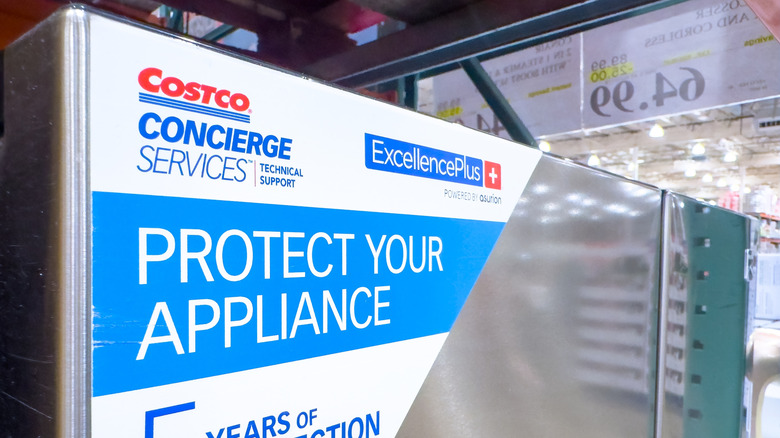
Deciding to get an extended warranty is only half the job. You still need to figure out other key aspects. The provider you go with and the terms of the contract you sign are two of the most critical aspects. So, check the reviews for the provider on third-party websites and look at what others have to say. Additionally, if the provider goes out of business, there's little you can do, which is another reason you should do a little research beforehand.
Don't forget to check what is covered under the extended warranty contract and whether there are any hidden charges or exclusions, because these might add to the bill when you eventually go for repairs. Lastly, verify that the extended warranty begins after the manufacturer's warranty expires. If the two overlap, you will not get much value out of the extended warranty for that period.
As you can see, getting an extended warranty isn't inherently good or bad. It all comes down to the appliance you are buying it for, the provider you pick, and the terms of the contract. Sometimes, it can save you hundreds of dollars, while on other occasions, you may never even make a claim. And a little research works in your favor.