

5 Things To Know Before Taking Your Home Appliances In For Repair
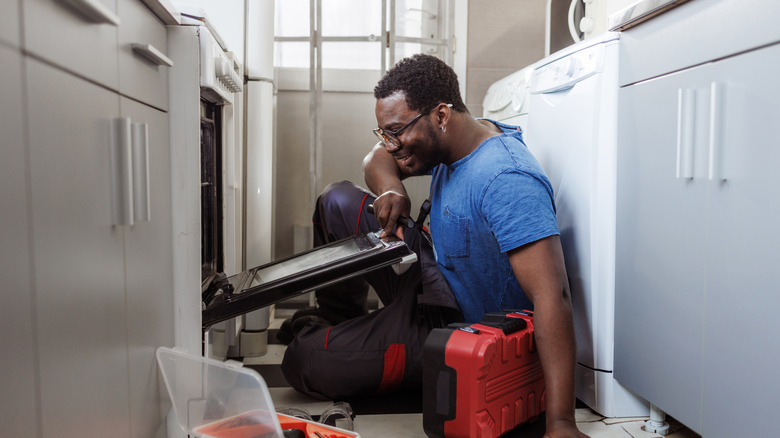
There are so many things to consider when keeping a home running, including the appliances that help us function daily. From major, fixed appliances like refrigerators, ovens, washing machines, air conditioners, and dishwashers to smaller, more specialized ones like air fryers, vacuums, and coffee makers, our lives are infinitely more convenient with them — when they work.
There are plenty of reasons why modern appliances break. Apart from being more complex than old school models, there are also elements of government regulation on materials and fragile components. Although things like bad usage practices, poor installation, or failure to maintain it can also lead to unnecessary damage. We found that the average lifespan of washing machines is less than 8 years.
According to EIA, millions of American homes even have multiples of the same appliances, like refrigerators and freezers, which means double the maintenance. Because of this, it's not surprising that something breaks now and then, due to regular usage, extraordinary circumstances, or just by design. Unfortunately, some appliance issues require professional help, especially if it involves opening it up and tinkering with the internal components. So, if your appliance isn't working properly, consider these measures before you get it repaired.
Diagnose your problem
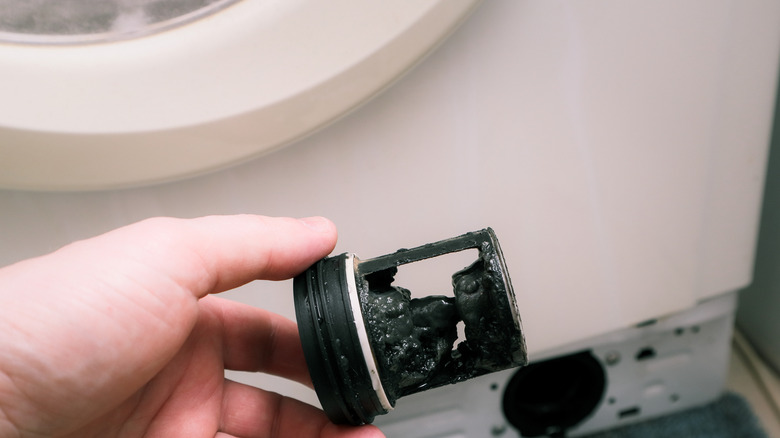
Before you ask for professional help, it's always a good idea to check first if you can resolve the issue yourself. For example, the issue could be the power source, not the appliance. In this case, you can plug it into a different socket and see if it functions normally. For appliances like front-loading washing machines, it could also be an operating issue, wherein they don't start if you don't close the door properly, or a full lint or drain filter needs emptying.
Doing a quick diagnosis will help you form a holistic story that can guide the technician moving forward, and will be necessary when you describe your issue when making appointments. Apart from the problem itself, like not turning on, some common questions that you may need to answer include the timeline of events and whether the issue was gradual or sudden.
We've mentioned before that excessive noise, leaking or excessive water, weird smells, or spinning issues are some common signs of an upcoming washing machine failure. As a rule of thumb, you should list descriptive symptoms that you saw, heard, smelled, or felt. You can also mention extraordinary circumstances that may have impacted your appliance's health, like power surges and outages or water damage.
Check the appliance warranty
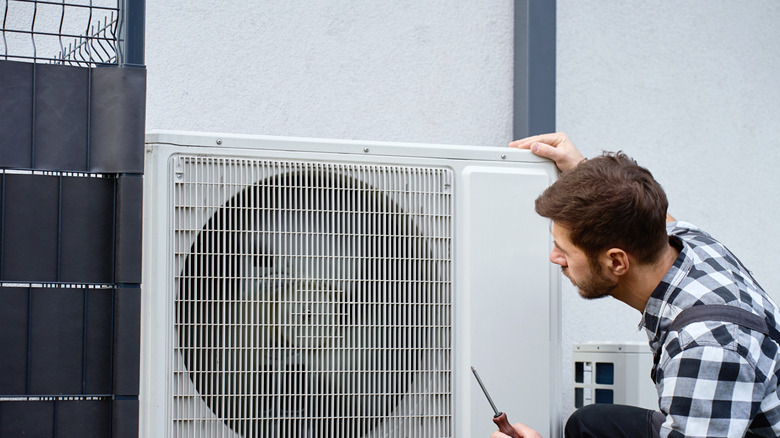
Understanding your warranty coverage might be able to save you money during the repair process in several key ways, which include subsidies for component-specific parts and labor. Appliance manufacturers tend to offer different warranty types, like standard, limited, or full, that can vary per model. To check your appliance's warranty, you'll need to get the model number and look it up on the manufacturer's website.
While Whirlpool says its limited warranty is listed to be up to a year, there's actually a lot of discrepancy for specific parts across appliances. For refrigerators, Whirlpool says its water filters are covered up to 30 days, while components like evaporators and condensers can be covered up to 5 years. Alternatively, Samsung offers a much longer warranty period for its refrigerator parts, with up to 10 years for its compressor. Some universal caveats that impact coverage include whether it was installed and maintained correctly.
There are also extended warranties or service contracts, which can cover more types of issues and provide additional benefits, such as in-home service repairs. Under Best Buy's Geek Squad Protection, it notes that major appliances are qualified for an in-home appointment and free installation after repair. Lastly, some warranty coverages compensate you for the trouble the breakage has caused. Samsung Care+ has plans from 3 to 7 years and offers up to $250 for spoiled food during a breakage.
Knowing your return policies
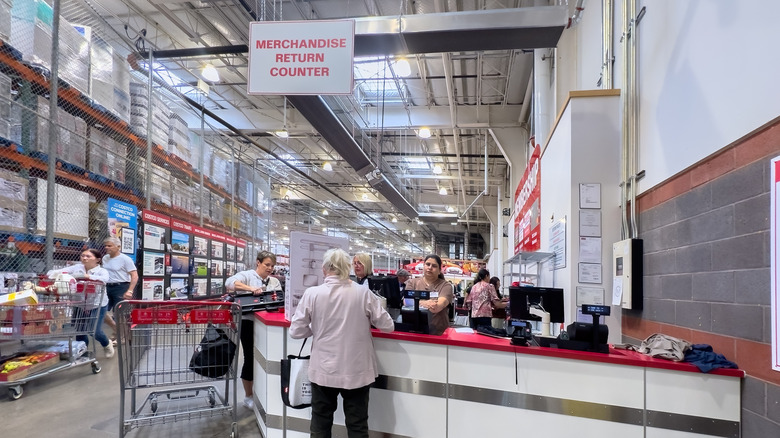
Before you send your broken appliance for repair, it's a good idea to check if it's eligible for return instead. This is because you can hedge it over the cost of repairs or replacement, especially if the retailer offers store credits. Depending on where you purchased it, you'll have different options when it comes to returns, such as the return window, shipping costs, drop-off locations, and condition checks.
For appliances, Costco is popular for its relatively lenient return policy, accepting returns for up to 90 days. As long as your ID matches their records, Walmart is known to accept returns even if you've already lost the official receipt. And if you're lucky, Business Insider reported how some major retailers, like Target, even grant refunds without having to physically return the item.
Apart from standard return policies, you can also check for appliance recalls that may affect your model. To know if your appliance was recalled, you can either consult the manufacturer's website and official social media channels or the United States Consumer Product Safety Commission website. In 2026, popular appliance brands that have announced recalls include Frigidaire, Energizer, and Babysense. Among the recalls, the type of appliances range from mini fridges, power strips, steam cleaners, air purifiers, to gas ranges with issues related to mechanical problems, fire hazards, and child safety risks. Even if your appliance is broken due to an unrelated issue, a recalled product might still be eligible for replacements or refunds.
Ask for a cost and timeline estimate

Sometimes, it may be worthwhile to repair an appliance, such as when the manufacturer has discontinued the specific model. While newer models often have more advanced features, older units may have better compatibility with your existing setup. There are different components of appliance repair costing, such as diagnostic, labor, and parts, especially if you need to pay out-of-pocket. If the repair requires specialized technicians or expensive parts, it may cost the same as replacing the unit entirely.
Apart from the cost of repair itself, it's also important to take into consideration other factors, like the time off work you need to take to personally bring it to the repair center. Depending on the appliance manufacturer's warranty or the retailer, you might even have to shoulder the cost of shipping to the nearest retail store. When it comes to larger appliances, such as refrigerators or washing machines, there might be options for at-home services or pick up options. If this is an appliance that you use regularly, take into consideration the cost of having to use external services if the repair process takes too long. For example, if you have a lot of clothes that will need to be sent to a laundry service while your washing machine is in the shop, the costs can add up.
Preparing your appliance for repairs
There are two parts to preparing your appliance for returns: software and hardware. If it's a smart appliance, you'll want to back up your data first. Since it's possible that your appliance will not be returned to you, this can help make sure that you still have a copy of things, like your preferred settings or usage history. Afterward, you can proceed to log out of any accounts or delete any other information for data privacy reasons.
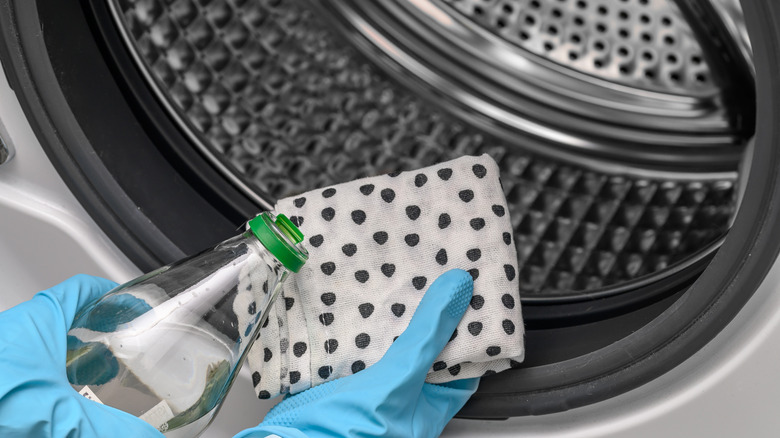
Next, make sure that the appliance is cleared of personal items, such as stray socks inside your washing machine or clothes dryer. As for microwaves, ovens, and air fryers, remove any food that might turn into mold and make sure to clean the grease and grime off. For smaller appliances, you can make a mixture of either soap or vinegar with water and use a sponge or damp cloth to wipe it down. For larger or more complex appliances, they might have special self-cleaning features or components that need more specialized methods.
Lastly, take pictures and videos of your appliance, so you can have proof of the condition of the item before it is turned over. This is to help protect you in an event that it becomes damaged during transit and to support any claims. Make sure to photograph all angles, including the interior, the exterior, and accessories.