

3 Common Problems With Echo Chainsaws
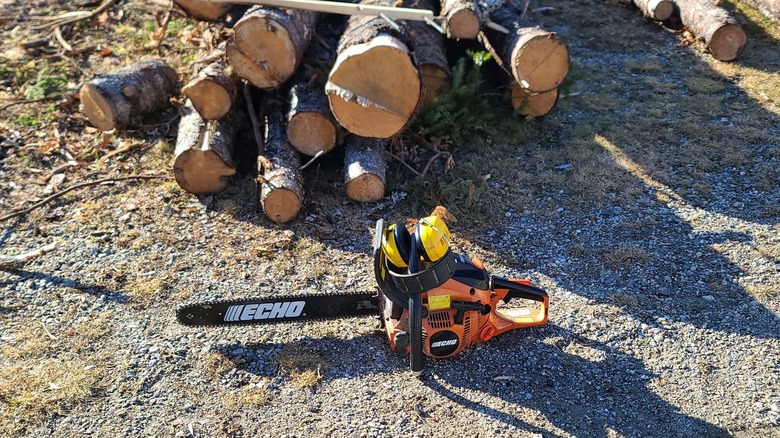
Echo is one of the best chainsaw brands around, but no chainsaw works perfectly. Regular maintenance can help prevent many problems and keep a tool running well for years. However, there will inevitably be a time when your chainsaw stops working at full capacity, and you'll need to figure out what needs fixing.
When considering a problem with their saw, many people think about common issues like the chainsaw chain needing replacement, deep-cleaning the filters, or replacing the spark plug. However, many brands have specific quirks that can make some issues far more common than others. Echo is no exception to this, Many of the brand's most common issues revolve around the various components of the fuel system. By keeping the points below in mind, you may be able to troubleshoot your Echo saw more effectively. Who wouldn't want to save themselves a big headache from slowly testing every possibility when it might just be a typical, Echo-specific problem?
The carburetor failing
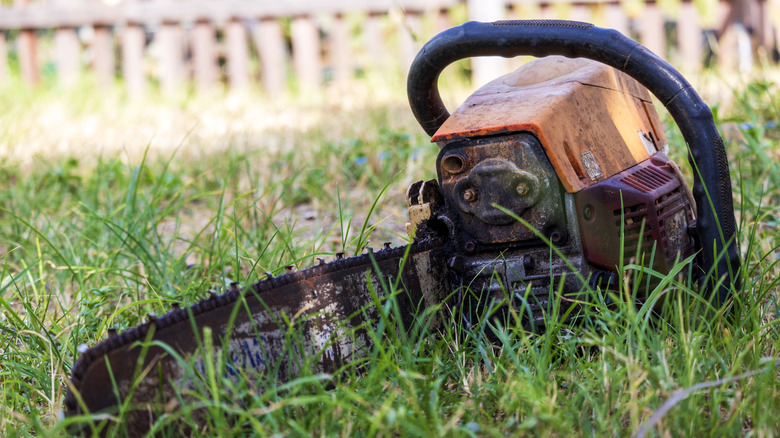
The most common problem with a variety of Echo chainsaw models involves the carburetor. Specifically, the Walbro carburetors that are typically installed can warp, and the check valves can break down. And on top of that, there's all the ways that carburetors generally tend to break down, such as old fuel gumming up the system, or the rubber hardening or cracking. With all these factors, it's easy to see why Echo saws often run into carburetor issues.
If you suspect there's an issue with your carburetor, start by carefully disassembling it and cleaning the entire carburetor, including the screws. Shine a light through the rubber and make sure there are no cracks or holes in it. If you've done all this and the saw still doesn't work (and you know it's not an issue with another part), you'll need to replace it or get a professional to fix it for you.
Fuel system issues
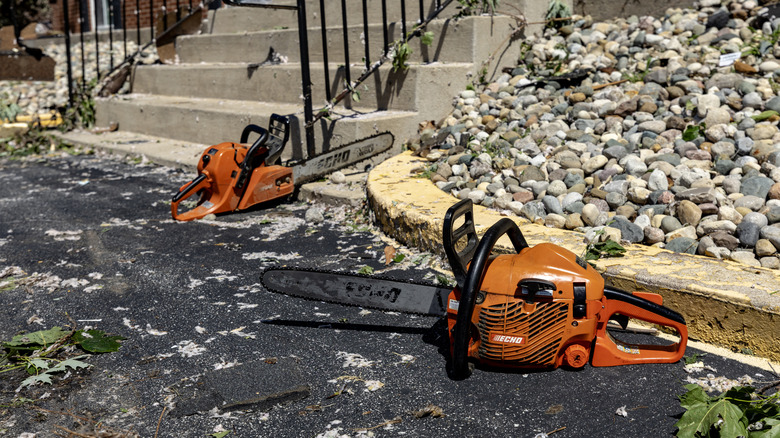
Issues with the fuel system are also very common with Echo brand saws. Part of this is due to the carburetor failing, but other components are often involved. Sometimes it may be the fuel mixture, too much air in the system, or a dirty filter. If you're having trouble starting the chainsaw and you're sure you're not flooding the engine, something in the fuel system is likely to blame. If your saw starts smoking, that also generally indicates a malfunction in the fuel system.
Many problems with the fuel system can normally be caught or prevented with regular maintenance. Taking the saw apart and cleaning the filter, carburetor, and other components can resolve any problems caused by old fuel in the system. You'll also want to make sure to empty the gas from the chainsaw before putting it away, as chainsaws are definitely tools that can die while in storage.
Flooding the engine
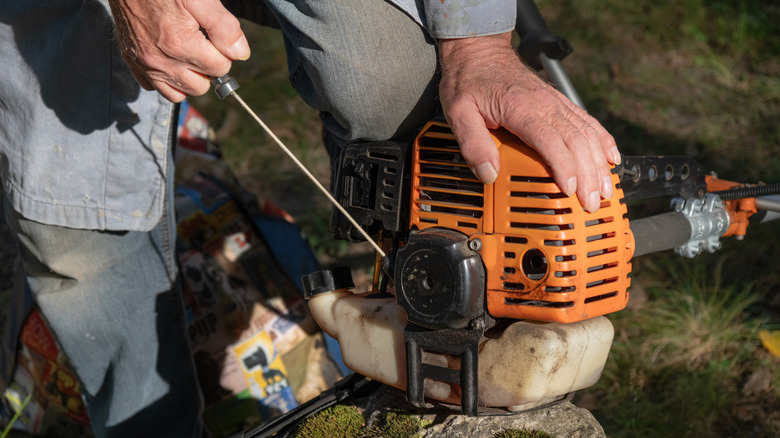
It's possible to accidentally flood the engine of any chainsaw, but it appears to be more common with Echo saws. Users point to a number of possible causes for this issue, from a faulty decompression button on some models, to the spark plug not getting enough air after pulling on the choke too long. While engine flooding is prevalent across the brand, it's even more common in specific chainsaw models. The Echo CS-590, for example, is notorious for flooding easily, causing frustration for new and experienced users alike. There are also reports of flooding happening with the Echo CS-4910 models, but it doesn't appear to be as common as the CS-590.
As such, while fixing a flooded engine may seem straightforward, there are many different solutions users will offer someone having issues. The true solution for you will likely rely a lot on trial and error. Start with Echo's official documentation on how to clear a flooded engine, and if it doesn't work, search for your specific Echo saw model and look for solutions from there. If all else fails, you can take it to a professional to diagnose.