

Why Some Smartphones Have Worse Repairability Than Others
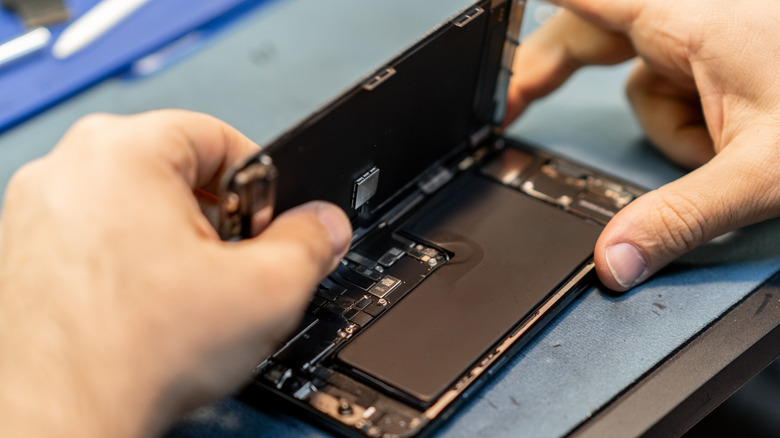
Not too long ago, we could easily replace the battery on many smartphones. All one had to do was take off the back cover, take out the existing battery, add the new one, and put the panel back in place. It usually took less than a minute. But those days are long gone, with most smartphones now sealed shut with glue, making simple repairs and part replacements incredibly difficult at home. You need a solid understanding of the hardware side of things and the required tools before you can attempt something like that. Even then, a small mistake can damage other components and render the phone completely unusable.
This doesn't mean every smartphone on the market is unrepairable. But leading smartphone brands don't generally fare well. According to the US PIRG "Failing The Fix" 2026 report, Apple ranked last for smartphone repairability with a D- grade, Samsung right above it with a D grade, and Google with a C-. Motorola, on the other hand, bagged the top spot with a B+ grade. If we look at iFixit's repairability scores, two smartphones, Fairphone 5 and Fairphone 6, earn a perfect 10/10.
That brings us to the more important question: what changed in the past few years that many smartphones now have poor repairability? It all comes down to new design choices manufacturers prioritize and the push to encourage users to upgrade sooner.
Slimmer and waterproof designs are the biggest reasons
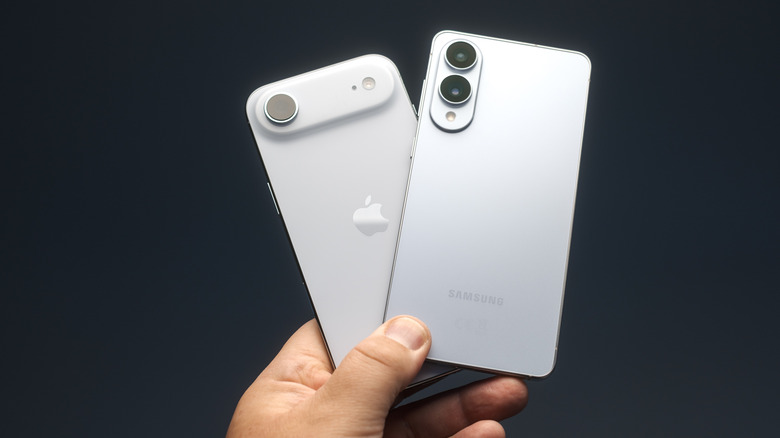
In the past few years, smartphone brands have achieved slimmer designs. The iPhone Air is one example, with a thickness of just 5.64 mm. That's impressive for a smartphone packed with features. But these sleeker, slimmer smartphones can come with a downside: they are not as easy to repair. Smartphones now have components packed more closely together, making at-home repairs difficult, if not outright impossible. Newer designs rely heavily on adhesives to hold everything together, whether it's the battery, display, or back cover. Even iFixit highlights this use of adhesives as a major drawback on most of the newer smartphones, including those from Apple, Samsung, and Google.
Adhesives do have benefits, especially when it comes to improving smartphones' structural integrity and making them slimmer and more waterproof. But unlike screws, adhesives also make at-home repairs incredibly challenging. As for doing away with removable batteries and using adhesives to hold them in place, companies generally cite similar reasons, including stronger, slimmer designs and improved water resistance. Apart from that, even the screws used in smartphones aren't that straightforward. iFixit notes that some modern iPhones have four to five different screwhead types, which complicates repairs.
If you haven't guessed it already, foldable phones are more difficult to repair because of their complex designs. This added complexity can also increase repair costs. So, you may end up spending more in the long run.
Some phones are still repairable
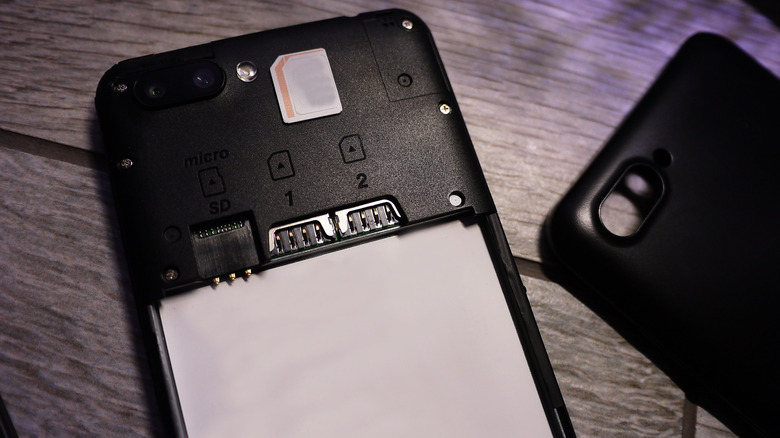
All that said, it's not like every smartphone on the market scores poorly on repairability. Some newer brands are making highly repairable phones, with Fairphone and HMD being notable examples. Fairphone, for instance, boasts of streamlined repairs and replacement across its smartphone lineup, with over 40 easily replaceable components. More importantly, these companies incorporate repair-friendly designs and provide clear guides and instructions to allow for common repairs to be performed at home.
Even Apple is moving in a similar direction, although it has links with associations lobbying against Right to Repair. With the launch of Repair Assistant, Apple has made repairs and replacements much easier. For example, professionals, or users themselves, can swap the battery on an iPhone without contacting Apple, as the Repair Assistant handles the calibration. This has, to an extent, addressed the problem of parts pairing. However, you still can't officially repair or replace every part on every iPhone model. Newer Samsung phones, too, are relatively easier to repair, although it's still not at the same level as Fairphone.
So, if you are planning to buy a smartphone, you know which brands or models to steer clear of, or at least what you need to check before finalizing one. Better repairability doesn't just save you money on repairs. It also ensures that your smartphone lasts longer and, at the same time, helps reduce e-waste, a major problem the world is facing right now.