

What's The Difference Between LG's B-Series And C-Series OLED TVs?
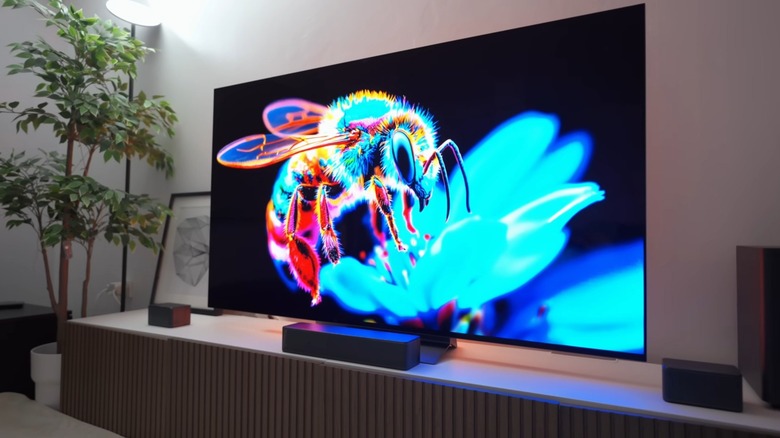
With over a decade of experience, LG has a fair claim to being one of the world's leading TV brands. If you're in the market for an OLED TV, you'll probably have come across its B and C series products. LG's C-series OLEDs are the more premium of the two, so you can expect better features and performance, such as a better image processor and higher refresh rates.
That, however, comes at a literal cost. If you have a limited budget, the B series is significantly cheaper for the same size. For example, the 55-inch B5 has a $1,499.99 MSRP, while the C5 is $500 more expensive at $1,999.99. Discounts can turn the value proposition around, of course, especially if you buy a C-series TV when LG is clearing stock of older models, but otherwise you'll always pay more for an LG C-series OLED than a comparable B-series model. LG's two product ranges also differ slightly in terms of available sizes. The B5 and C5, for example, are both available in 48, 55, 65, 77, and 83 inches. However, the C5 is also available in a 42-inch version.
Models from both series make Consumer Reports' list of the best LG TVs, so they seem to hit the right notes for their particular target markets. But how do you know which one is right for you?
How to decide on an LG OLED TV
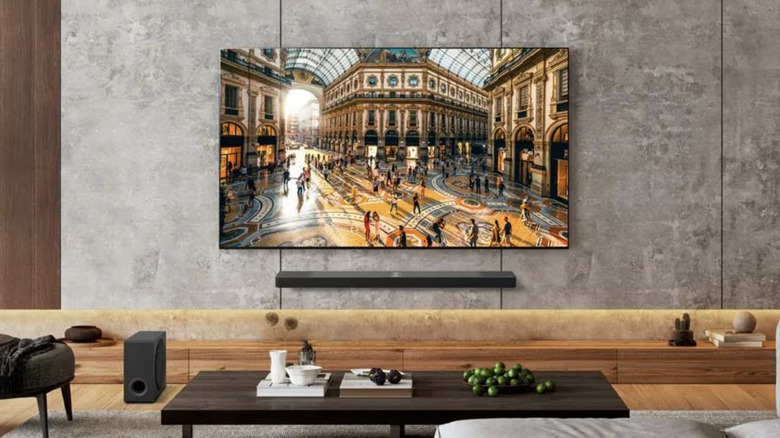
Generally, price will likely be the deciding factor between the two. However, those who can only fit a 42-inch TV, for example, will likely have to go with an LG C-series product, no matter what. For gamers, both offer the essentials, like Nvidia G-Sync and AMD FreeSync Premium. However, C-series TVs have an advantage here, since they boast 144Hz refresh rates. In comparison, the B-series TVs have a slightly slower refresh rate of 120Hz.
Both series have the same award-winning smart TV platform and the latest AI personalization technology for search, recommendations, and settings. TV mirroring, access to the LG gallery, and compatibility with smart home ecosystems like Google Assistant, Amazon Alexa, and Apple HomeKit are also available across the product lines.
Whatever TV you choose, though, there are some pros and cons to OLED TVs to be aware of. On the one hand, they do an amazing job of displaying true blacks, are great for gaming thanks to low response times, and provide great color quality. However, OLED TVs are expensive and also often aren't bright enough for well-lit rooms. LG TVs, specifically, have a few extra issues you should know about. Not only do they have a slew of security vulnerabilities, but a Gamers Nexus investigation revealed that LG TVs are always listening to you and collecting your data.