

Daikin Vs. Mitsubishi Air Conditioners: Which Brand Is Better For Small Homes?
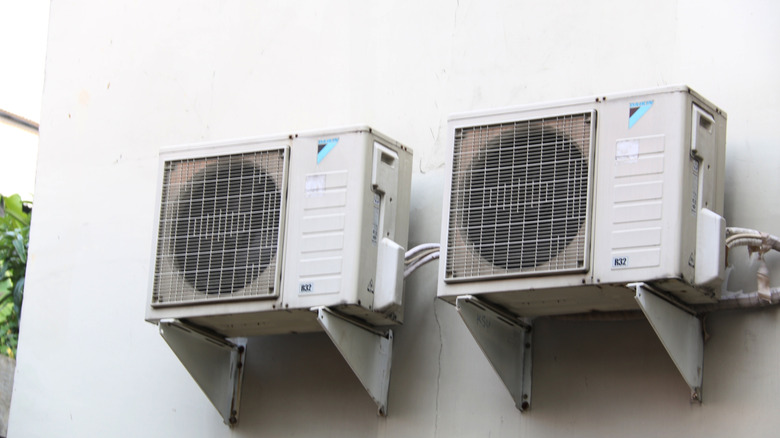
Daikin and Mitsubishi are reasonably well-regarded appliance brands, with Daikin taking the ninth slot on our ranking of every major air conditioning brand by way of its Amana and Goodman sub-brands. Both companies excel at delivering efficient single‑zone or modest multi‑zone cooling (and heating), but which is the better cooling choice for your home comes down to your climate, budget, and how much you value longevity. For most, Mitsubishi will be the better option.
Mitsubishi Electric has a reputation as the benchmark for cold‑climate mini splits, ductless HVAC systems that use an outdoor compressor connected to indoor air‑handling units (AHUs). Part of that pedigree is due to its Hyper‑Heating Inverter tech, which can function in temperatures as low as ‑13°F, making it a great choice in really chilly areas that rely on the mini split as a primary heat source. Mitsubishi's single‑zone wall‑mount units are also whisper quiet, some as quiet as 19 dB on a low fan setting (think rustling leaves). They're efficient as well, with models rated up to 35 SEER2, which is about as efficient as residential mini splits get before trying any tricks to get better performance.
Daikin, on the other hand, is often the more affordable option. When you consider the total cost of a Daikin mini split system, the brand often delivers solid real‑world efficiency for less cash. Its Aurora series hits 20–21 SEER2 and can also function at temps down to ‑13°F, strong numbers despite the fact that it typically costs 5–10% less than a Mitsubishi counterpart.
Space and long term ownership considerations
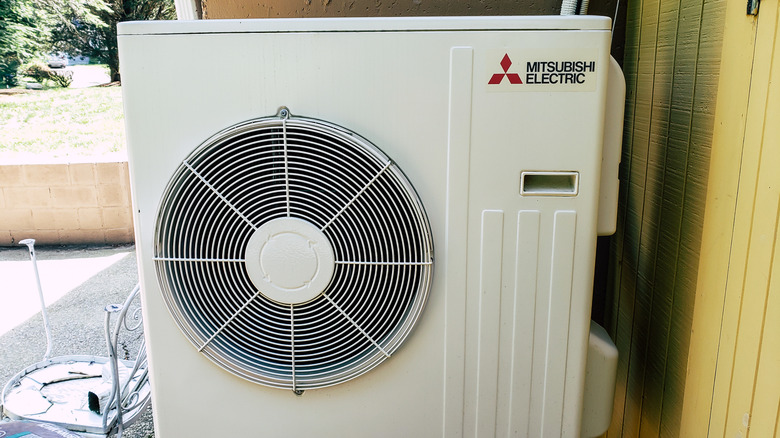
The spec sheet and price tag don't tell the whole tale, of course. There's also the question of handling slightly larger spaces. For truly compact homes both brands are great, with good single-zone performance. But for slightly larger apartments or small homes, Mitsubishi stands out. Its MXZ multi‑zone platform can support up to eight indoor AHUs from one outdoor unit, which is also handy if you plan to expand your space.
Daikin also offers multi‑zone R‑32 systems that can handle several zones, though fewer than Mitsubishi, and for colder climates Mitsubishi's systems are better. That's mainly because they maintain their maximum heating capacity down to 5°F, and continue to run (albeit at reduced efficiency) down to ‑13°F. Most Daikin multi‑zone platforms lose significant capacity as temperatures drop.
Mitsubishi is also the better choice for homeowners looking for a long-term, durable cooling system. It's often cited for excellent reliability, with one of the lowest failure rates in the mini-split category. It's also built a track record of 15 to 20 year lifespans for properly installed and maintained systems, and independent comparisons highlight the company's reputation for top shelf durability and strong parts availability. To boil it down, Daikin isn't bad, but choose Mitsubishi if you need strong cold‑climate heating, prioritize an ultra‑quiet system, and don't mind paying a premium for those conveniences.