

US Diesel Prices Just Hit An Alarming Milestone For The First Time

The U.S. transportation industry, on which consumers and businesses depend to get their goods delivered, is currently facing the highest-ever diesel prices in U.S. history, with prices surging past $6 per gallon in early September.
According to data from the AAA (American Automobile Association), which conducts one of the most comprehensive fuel-price-related surveys in the U.S., the current average price of diesel across gas stations in the country is $6.20 — much higher than last month's average of $5.40; diesel prices have nearly doubled since September 2025, when fuel was going for an average of $3.60. In some states, diesel prices have reached much higher levels. In California, for example, diesel has already crossed the $8 per gallon mark, with the current average standing at $8.10, significantly higher than the $6.20 mark from last week.
Given that diesel is widely used in the U.S. by trucking firms, railroad companies, and the construction and farming sectors, any major price changes will likely have a major impact on retail prices across the country. According to analysts, most businesses have tried to absorb mounting losses from the increase in diesel prices. However, if these elevated prices remain unchanged, it may lead to a nationwide increase in prices across the board, much like how the infamous RAM shortage led to price hikes across almost all electronic goods.
What is causing the current diesel price hike?
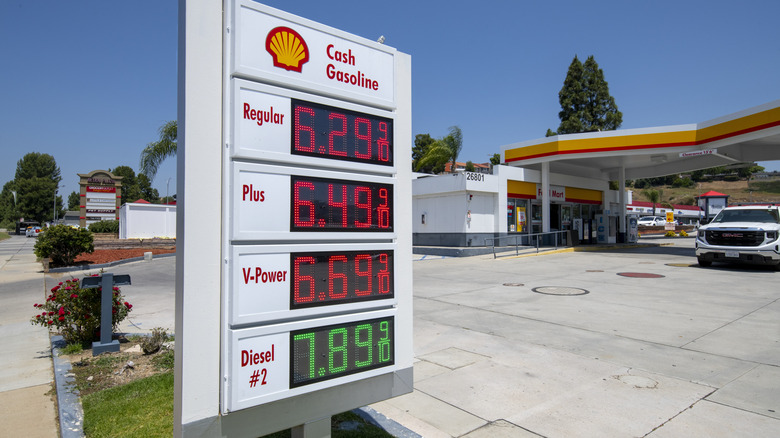
The reason for the current jump in diesel prices isn't entirely surprising and has its origins in the Strait of Hormuz, where the U.S. has been in conflict with Iran for the past several months. This region is one of the most crucial in terms of global oil production and accounts for between 20% and 25% of the world's daily petroleum and crude oil supply. The war, in addition to blocking the free movement of crude oil through the Persian Gulf, has also resulted in the reduction of refining capacity across the Middle East.
To make matters even worse, another major oil producing nation, Russia, is also facing a massive petroleum crisis after several of its major energy infrastructure projects became the target of Ukrainian drone strikes. This has reduced Russia's capacity to refine crude oil, therefore putting additional pressure on global fuel supply. The current spike in diesel prices is a direct result of these changing circumstances. Because diesel is the predominant fuel for much of the world's heavy machinery, Russia's reduced refining capacity has led to diesel prices soaring faster than gasoline prices.
From an American consumer perspective, things are looking grim, given that most analysts expect global oil production to come back to pre-war levels only by the end of 2027. Simply put, most of us are possibly starting to see massive price hikes across the board for the foreseeable future.