

iOS 27 Is About To Make Some AirPods Even Better
Announced at the 2026 Worldwide Developers Conference (WWDC) on June 8, 2026, iOS 27 will release later this fall and will bring a number of new features to supported iPhones. While iOS 27 boasts an impressive compatibility range across 30 iPhone models, unfortunately not all of them will be able to move to iOS 27. So far there have been seven developer beta builds and five public beta builds of iOS 27 ahead of the official release, which is anticipated to come during Apple's Surprise and Shine event in September which will likely showcase the iPhone 18 Pro lineup. In addition to new features, it seems iOS 27 will largely focus on polishing the user experience and performance optimization.
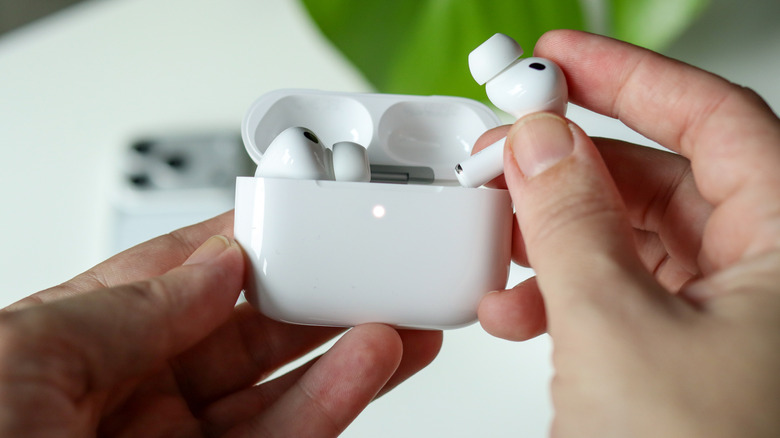
Outside of some of the headlining changes to Siri, Apple Intelligence, and Liquid Glass, iOS 27 will also mark the arrival of new features that will make some AirPods even better. Some of these features will be limited to supported models with H2 chips, while others should benefit all models. There's the long requested custom equalizer, a revamped AirPods settings menu, Siri integration, and even some new health features.
All the AirPods changes coming in iOS 27
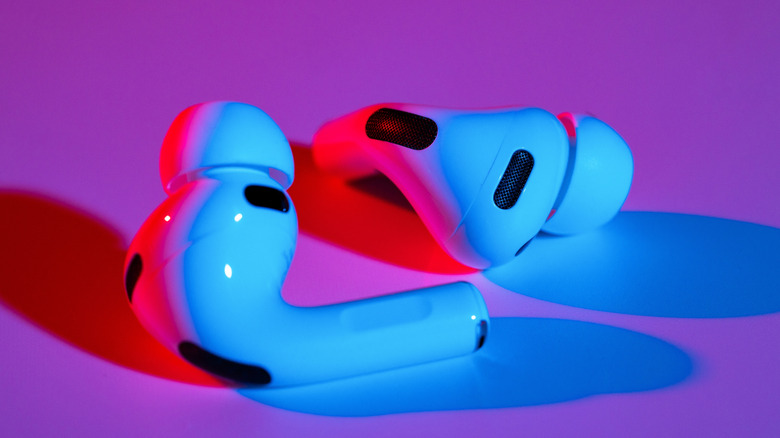
A custom EQ is something AirPods have long been lacking, and users have had to rely on Apple's Adaptive EQ. For Apple Music users, the closest they could get were the genre-specific presets. With iOS 27, Apple announced that will change with the debut of a three-band custom EQ. Supported AirPods (those with Apple's H2 audio chip) will require the latest firmware in addition to an iPhone running iOS 27, but will have access to adjustable mids, highs, and lows in the Settings menu.
Speaking of the Settings menu, Apple is planning to rework and streamline the AirPods menu. Apple is compiling all of the settings and controls and adding new categories for them in an effort to make them more organized and easier to find. Apple is also adding a volume slider for Transparency, Noise Cancellation, and Adaptive modes to allow volume adjustment within the same interface. The new Apple Intelligence powered Siri will be available to speak to through connected AirPods, which seems to be setting up deeper Siri integration with the rumored AirPods that could come with cameras.
There will also be new gestures to AirPods. In addition to answering a phone call handsfree, by shaking your head yes or no (which Apple introduced with iOS 18), you'll get the ability to use your AirPods stems to take a picture with the iPhone camera. Smaller changes include expanded GymKit support that will sync with the AirPods 3 heart rate sensor, Precision Finding for AirPods 3 using an Apple Watch running watchOS 27, and new accessibility support for deaf or hard-of-hearing users via Name Recognition, which will alert them when it detects their name being spoken.
Which models are compatible with the changes, and should you upgrade
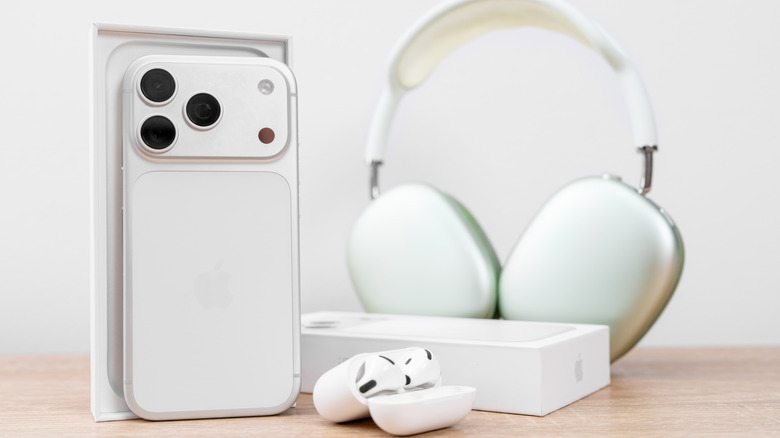
The majority of these features are going to benefit those with AirPods using Apple's H2 chip, but some of the smaller changes will also come to older AirPods. The most coveted feature is going to be the custom EQ for AirPods with an H2 chip: AirPods 4, AirPods Pro 2, AirPods Pro 3, and the AirPods Max 2. If you're hanging onto an older pair of AirPods, this might be the time to upgrade, if you value more granular audio control. I would expect this feature alone to drive new AirPods purchases.
For AirPods 3 owners, the GymKit integration is noteworthy if you work out with your AirPods instead of an Apple Watch. All AirPods models should be able to make use of the new Siri AI, provided those AirPods are connected to an iPhone or Mac that supports Apple Intelligence, which would be the iPhone 15 line up and later models and any Mac running M-series or A18 Pro Apple silicon. Any supported iPhone capable of running iOS 27 should feature the new AirPods menu.
These changes should make the AirPods ecosystem stronger and bring them more in line with the competition, which could also address why some people end up ditching their AirPods altogether.