

Revoked Vs Suspended Licenses: What Are The Differences?
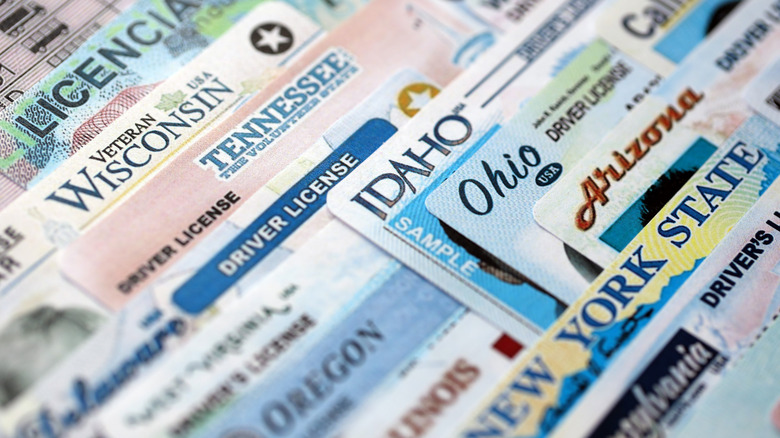
If you've ever been in danger of losing your driver's license, then you know how stressful and frustrating the situation can be. But there is a difference between a revoked license and a suspended license, and it's important to know that distinction. Generally, a suspended license means a state has temporarily taken away your legal right to drive. This suspension can last for a set amount of time, or it can stay in place until you address the problem that led to it.
In contrast, a revoked driver's license generally means that the state has canceled your license. Once the revocation period ends, you typically cannot just start driving again with your old license. You may have to apply for a new one, or get approval from the DMV. You may even have to take the written or driving tests again or pay a fee for the new license. Unless you satisfy all the necessary requirements, you won't have a legally valid driver's license.
It's important to know that a driver's license and the legal privilege to drive are not always the same thing. A state can actually restrict your ability to drive within its borders even when your license was issued by another state. For example, New York can revoke an out-of-state driver's right to drive in New York while that person's license may remain valid in other states. However, this policy could vary by state, so you should check with your local DMV for more information.
Why licenses get suspended or revoked

A driver's license suspension can happen for a number of reasons you may already expect, like too many traffic tickets or a drunk-driving conviction. But there can be some unexpected reasons as well, depending on the state. For example, the state of Virginia lists failing to pay child support as a reason why a license can be suspended. Louisiana can suspend driving privileges for unpaid individual income tax debt of more than $1,000 if the amount has been finalized and the driver hasn't entered into a payment plan within 90 days.
Depending on the state, a driver's license can be revoked for a variety of reasons, like repeated traffic violations or other offenses. But in the state of New York, a driver's license can be revoked for making a false statement on a license or registration application. Failing a DMV road test can cause a license to be revoked as well. In Massachusetts, certain drug-trafficking convictions can also lead to a driver's license revocation or suspension, even if a motor vehicle wasn't involved in the offense.
Rules regarding the revocation or suspension of driver's licenses can vary so much because licensing is handled at the state level. In fact, the National Highway Traffic Safety Administration (NHTSA) does not set the laws or requirements for state-issued driver's licenses or driving privileges. However, NHTSA does work with states to improve consistency and standardization in the driver licensing process.