

Why Some Pickup Trucks Have Aluminum Beds, But Steel Frames
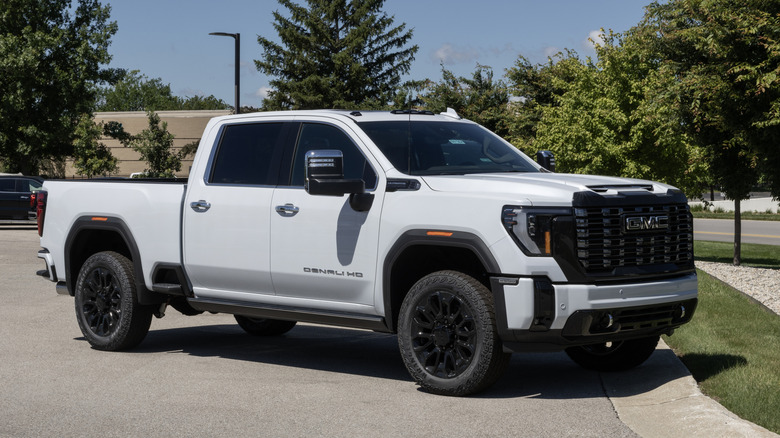
As years passed, pickup trucks went from being mostly steel-made, to being made of a mix of materials. Steel was practically the go-to in older pickup trucks, but now there's a good bit of aluminum in there as well. You'll often find aluminum in the body panels and bed, while the frame underneath stays steel. There's a good reason for such a setup, since those two materials have different strengths and weaknesses.
By far the main advantage of aluminum is weight, resulting in a lighter truck. Aluminum is considerably lighter than steel, and making beds out of it can shave off up to 700 lbs. Less weight translates to better acceleration and braking, along with better fuel economy, and that helps to create some of the most fuel-efficient pickup trucks in recent years. As such, both truck drivers and manufacturers benefit. Drivers get to carry more load while using less fuel, and automakers don't have to compromise performance to meet federal fuel economy standards.
As for steel frames, steel is notably stronger than aluminum and handles impacts better, since it bends before it cracks. Although the comparison between the two isn't that straightforward, there's a lot more science behind it. For instance, steel has greater tensile strength, the maximum amount of pulling force a material can take before it breaks. On the other hand, maybe surprisingly, aluminum has a better strength-to-weight ratio. The bottom line here is that when it comes to pickup trucks, if you hit a steel frame hard, it will likely just dent, but an aluminum frame may have a sharp crease. Steel is also much easier and cheaper to repair, unlike aluminum, where you need special tools and training.
Do aluminum truck bodies rust?
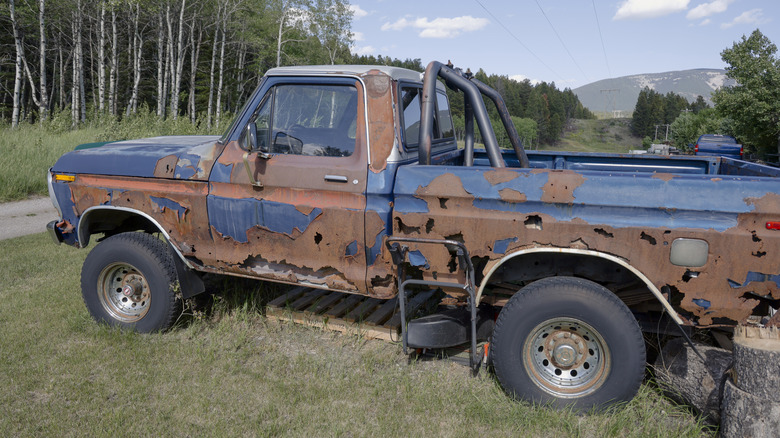
One of the disadvantages of steel is that it's rather susceptible to corrosion (rust), and some pickup trucks are infamously quick to rust. As such, steel bodies need regular maintenance and coatings to protect against the appearance of iron oxide. That's one of the ways to protect your car from rust. Aluminum truck bodies, and aluminum in general, don't have that issue. In scientific terms, aluminum can't rust because rust is a particular kind of corrosion that only affects iron and iron-based alloys such as steel.
Aluminum resists corrosion well because it forms a protective layer on its surface. That layer stops oxidation from spreading, so aluminum structures need less maintenance than steel. What's more, this makes it a good fit for environments like coastal areas or humid climates. However, it's worth noting that aluminum isn't completely corrosion-proof. If it touches other metals without the right insulation, it can suffer from galvanic corrosion. Manufacturers incorporate safeguards for this, but improper repairs can cause issues.