

How Does The Average MPG In The 90s Compare To What Cars Get Today?
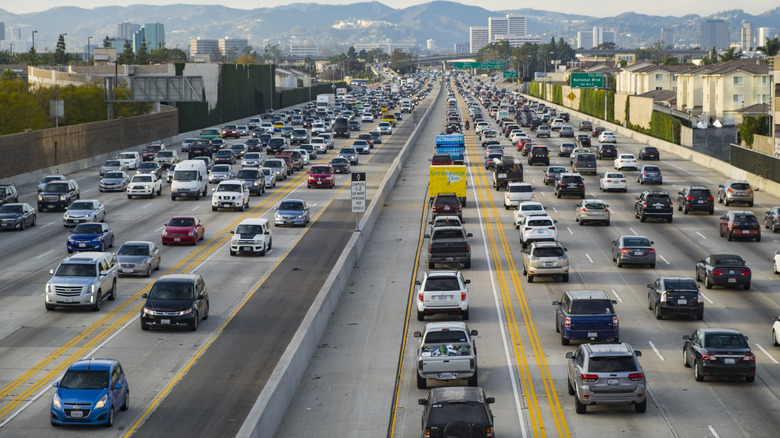
Modern cars are generally more efficient than older cars, with today's most frugal cars offering combined mpg figures north of 40 mpg. Over the last decade, the fuel economy of the average new car has been creeping steadily up, and in 2026, the average new vehicle achieves around 28 mpg, according to the EPA.
The fuel economy gains made in the past decade have been relatively consistent, with the average new car in 2016 hitting 24.7 mpg, then going up to 25.4 mpg in 2021. It hasn't always been that way, though. Between 1990 and 2000, average fuel economy figures actually dropped, and then continued to decline until the mid-'00s.
At the start of the '90s, the average new car got 21.2 mpg, but by 1999, the market-wide average dipped to 19.7 mpg. That marked the reversal of a trend of increasing fuel economy that had persisted through much of the '80s. Prior to 1999, the last time that the average had dropped below 20 mpg was back in 1980.
Small mpg changes can make a big difference to fuel costs
While the changes in mpg figures over the years might seem small, they can make a big difference to what drivers pay at the gas pump. The average American driver covers around 13,500 miles per year, and at the time of writing in August 2026, the average nationwide gas price is around $4.10, according to AAA. Based on those figures, the average driver who owns a 1999 model-year car with average fuel economy can expect to pay $2,810 annually to fuel their car in 2026. Covering the same mileage in the average 2026 model-year car would cost $1,977, saving its driver $833 per year.
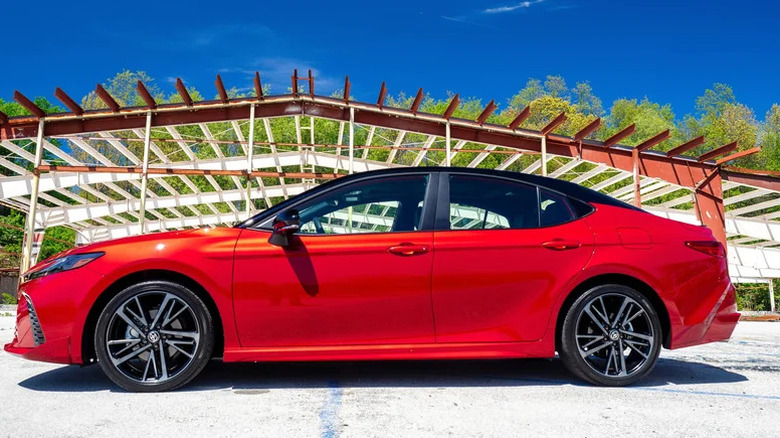
The difference is even greater when you compare today's most efficient cars to their predecessors. Take, for example, the long-running Toyota Camry sedan. In 1999, the most fuel-sipping version of the Camry averaged 24 mpg according to the EPA, while in 2026, the most efficient new Camry gets 51 mpg. Using the same average annual mileage and average gas price, the 1999 Camry driver would pay $2,306 to fuel their car in 2026, while the 2026 Camry driver would pay just $1,085.
The good news for drivers of older cars is that there are plenty of ways to avoid wasting fuel while you're on the road. Making sure that your car's tires are properly inflated can help improve your fuel economy, and slowing down, even by just a few mph, can also save on gas.