

The Biggest Drawbacks Of Relying On A Digital Wallet
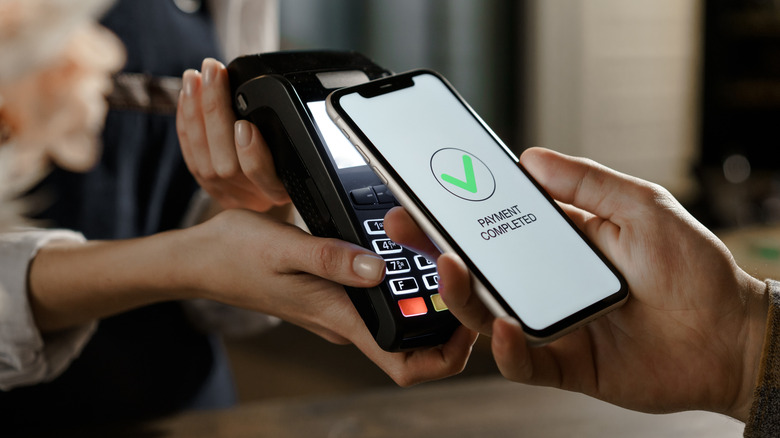
It's easy to understand the benefits of digital wallets. Being able to store your payment methods, ID, tickets, and other documents in digital form on a device you likely have on hand most days is definitely more convenient for some than carrying a traditional physical wallet. That's not to say that digital wallets are universally superior to their physical counterparts. There are certain drawbacks to digital wallets that are worth being aware of if you're thinking about ditching your physical wallet entirely.
Learning about these drawbacks shouldn't necessarily convince you to abandon the digital wallet completely. Rather, these points might help you appreciate the value of keeping a physical wallet for situations when a digital one isn't accessible or ideal. Just remember that not all wallets are created equal. If you're looking for a new traditional wallet, you may want to consider an RFID-blocking wallet. Although this level of protection might not be strictly necessary, it doesn't hurt to purchase a wallet that offers maximum security.
The main problem with depending exclusively on a digital wallet is that it forces you to rely on technology that might not always be, well, reliable. This can cause issues for various reasons.
A digital wallet requires a working device
Let's address the obvious first: If you want to rely solely on a digital wallet, you'll need to be comfortable carrying your device whenever you need access to it. At a time when some are switching back to minimalist phones to avoid the intrusiveness and mental health risks associated with constant access to smartphones, you might find this idea unappealing.
Even if you're comfortable with always having a device on you to access your digital wallet, relying on it whenever you need to make a purchase or complete similar tasks can be very limiting. Naturally, a phone can run out of battery, preventing you from accessing your wallet if you can't charge your device immediately. On top of that, a phone can break or get misplaced. Yes, you can also lose a physical wallet, but if you rely entirely on a mobile version with no physical backup, you'll be seriously out of luck if your device goes missing or otherwise stops working.
A digital wallet often requires an internet connection
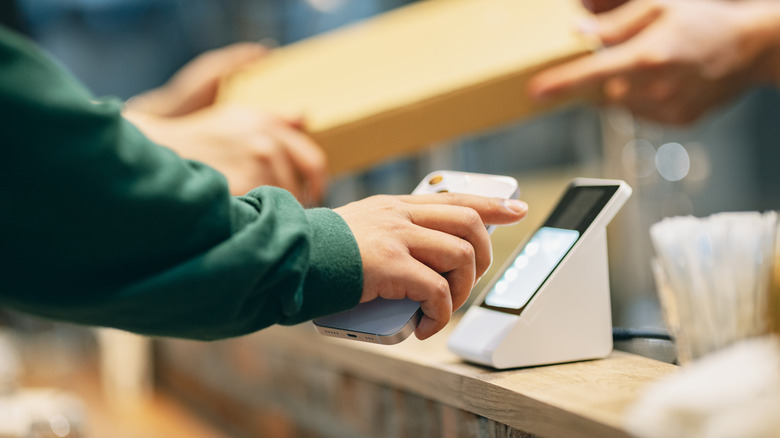
Various tasks you might perform via a digital wallet can require a stable internet connection to work properly. Digital wallets may also use Bluetooth or magnetic signals to complete transactions.
You probably don't need to be told why this is a significant limitation of digital wallets. If a Wi-Fi connection or Bluetooth isn't available, you might be unable to use your digital wallet. While you may rely on data when Wi-Fi isn't working, there's no guarantee the connection will be stable enough, depending on where you are geographically when trying to use your wallet.
It's also worth noting that, for a digital wallet to complete a payment, the device that holds the wallet needs to work, as does the point-of-sale hardware. If either is having connectivity issues, the wallet might not work. Sometimes, a failed transaction might be a result of a POS malfunction. This once again highlights the value of keeping an alternative to a digital wallet for times when the technology may be unreliable.
A digital wallet can make you more likely to overspend
One of the advantages of a digital wallet is that it reduces the friction involved in making a purchase. This is true for both in-person and online shopping. Unfortunately, making it easier for consumers to make purchases isn't always a good thing.
Consider the findings of a study analyzing various elements of consumer habits in the digital age. Research shows that digital wallets can increase users' unplanned spending by up to 35%. In general, digital wallets have also been shown to boost overall spending and shopping frequency among consumers.
That isn't exactly good news for those on a strict budget. In the pre-digital wallet age, completing a purchase involved a variety of steps depending on your exact payment method and the setting in which you were shopping. Now, you can make purchases by simply tapping your phone against a payment terminal. That's certainly easy, but it can also be dangerous for people who struggle to rein in their spending habits.
There are security risks to digital wallets
This is another point that illustrates how the convenience of a digital wallet can also be a drawback in the wrong circumstances. For example, because a digital wallet doesn't have limited space the way a physical wallet does, you might be inclined to store large quantities of documents and data within one. That can be a major risk factor if your device falls into the wrong hands.
It's true that digital wallets leverage technology for security purposes. However, the level of security of a digital wallet can vary significantly between different apps. In addition, even if a digital wallet itself is relatively secure, as an individual user, you might not have taken sufficient steps (such as setting up biometrics) to secure your device.
While relying on your phone as a storage solution for everything from credit cards to ID documents is understandable, it creates a massive single point of failure if your device is ever compromised.
A merchant might not accept a digital wallet
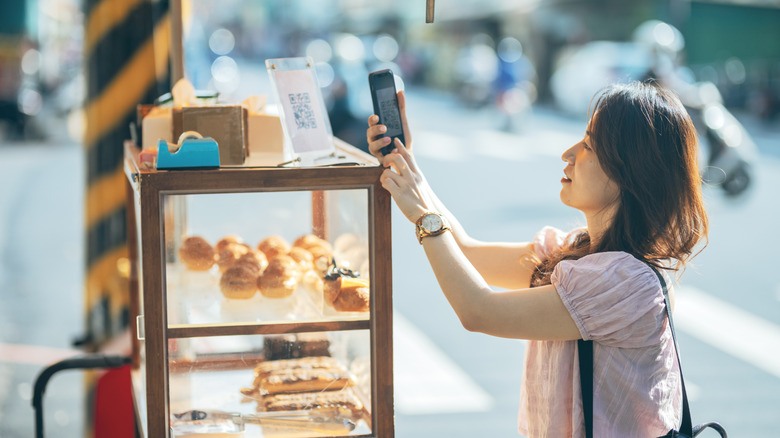
As digital wallets become increasingly common, merchants are adapting. Regardless, you can't necessarily assume a merchant you're unfamiliar with has adopted the technology yet. While larger companies are likely to have the technology to accept digital wallets, smaller businesses and vendors are sometimes behind the trend. A digital wallet isn't much good if a merchant doesn't accept it.
Even if a merchant has equipped themselves with the hardware and software necessary to accept digital wallets, their system might not be compatible with the specific type of wallet you're using. That's just one reason it's smart to research the best digital wallet options before deciding which is right for you.
It can't be stated enough: These arguments aren't meant to convince anyone that digital wallets are always dangerous or suspect. On the contrary, they genuinely offer many benefits, particularly to unbanked and underbanked populations. Those benefits simply might not be enough to justify doing away with a physical wallet completely.