

Does Closing Air Conditioner Vents In Unused Rooms Help In The Summer?
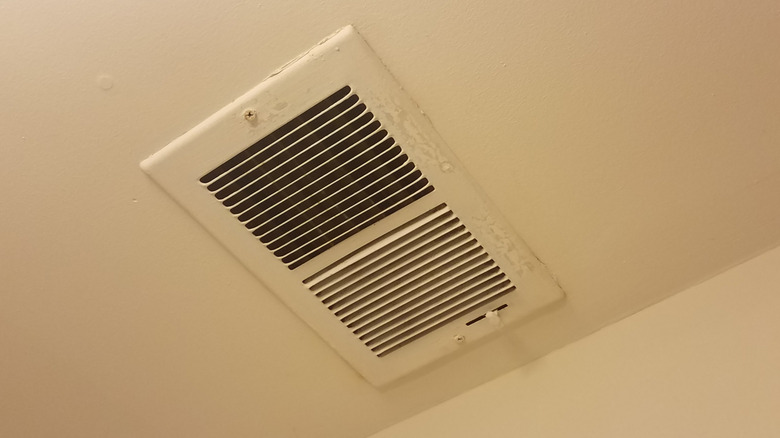
If you're trying to boost your AC's output or even just cool the house down faster, you might naturally think to close the vents in rooms you're not using. That way, the air might come out stronger or faster in the rooms people are in. By that logic, it might even be a way to save a little change on your utility bill, right? Unfortunately, though, that's not quite the case. Extreme heat can be killer on your HVAC system, but you can also do damage by closing off vents.
As it turns out, shutting vents in unoccupied rooms doesn't reduce the amount of air an HVAC system has to produce. If anything, restricting the system's airflow can actually create more pressure inside the ductwork. That runs the risk of actually making the system less efficient, not more. It can also potentially create problems with the HVAC system itself that'll cost much more than your monthly utility bill to address later. To understand exactly why, it helps to know how central HVAC systems work in the first place.
Why closing vents won't boost your AC
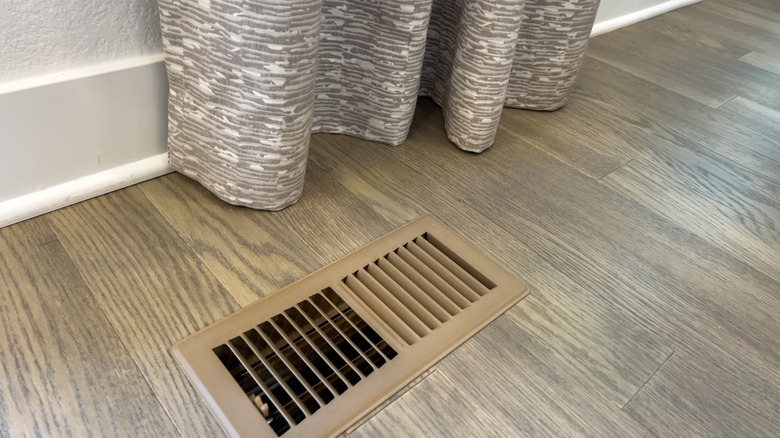
HVAC systems are designed around the specific size and layout of your home. For best results, air needs to move properly through the ducts and rooms in the house. When vents get closed, the system still produces the same amount of air, but that air now has nowhere to go. That means the air has less room to move through the ductwork, increasing pressure and throwing off the precise math (like the 115% rule for ACs) that keeps your system running efficiently. The AC then has to work harder to move air through the system and cool the rest of the house. That translates to more energy use, not less.
All that added pressure can create several other problems, as well. It can create duct leaks or make existing leaks worse and reduce the efficiency of the HVAC system. The smarter way to save money on your energy bill and improve your cooling efficiency in the summer is to invest in a programmable thermostat that can adjust heating and cooling based on when people are home. Adding insulation to the attic and walls can also help with more comfortable indoor temps without placing as much stress on the AC. The same goes for patching leaks in the ducts or around doors and windows.