

5 Warning Signs That Extreme Heat Is Killing Your Home's AC
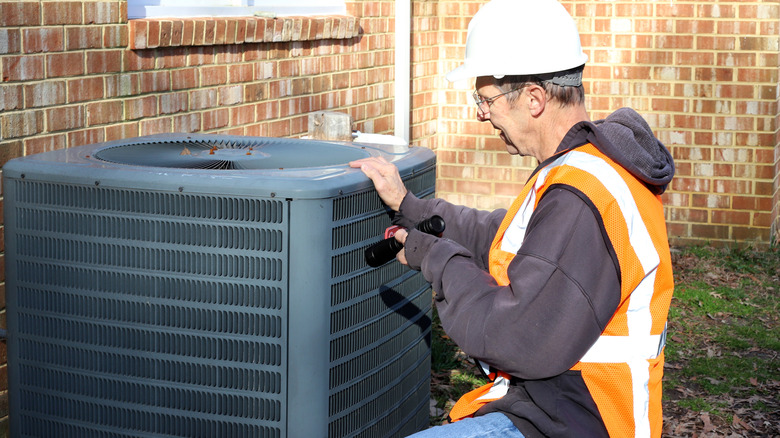
In the middle of another hot summer, you naturally might start to worry about your home's air conditioner. (After all, if you're uncomfortable in your own house, imagine how that AC unit must be feeling as it toils away outside.) The fact is, when it's sweltering outside, air conditioning systems have to work longer and harder than they would under normal conditions. And during especially unrelenting heat waves, even the healthiest AC systems have to spend more time running to keep your indoor temperatures under control. Unfortunately, all that extra work can lead to a whole host of problems.
That makes it sound like the demise of your air conditioner is inevitable, but it's not. There are actually a handful of telltale signs you can learn to look out for. That way, you can avoid any unnecessary (and expensive) repairs or complete system failures coming at the worst possible time. You just have to know how to tell the difference between a system that's working hard and one that's beginning to fail.
Air feels warmer rather than cool
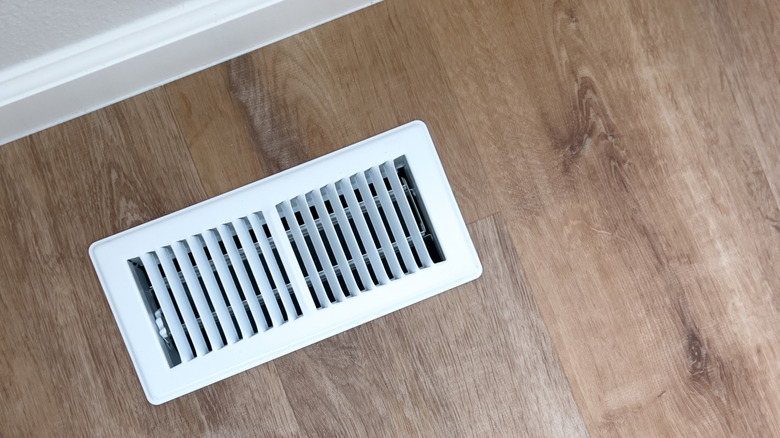
One of the clearest signs your air conditioner is in distress is when it starts pumping out warm air instead of cool air. Even when it's super hot out, the air coming out of the registers should feel noticeably cooler than the surrounding indoor air. If that isn't happening, you might have a bigger problem on your hands than just the weather.
Whether it's a refrigerant leak or a compressor problem, these issues can show up during heat waves. That's because the equipment has less time to rest in between cooling cycles. So, instead of getting a chance to recover during that downtime, the system is forced to run under heavier demand. That's going to give you increasingly warmer temps coming out of the registers.
You can even make it worse by pushing your unit beyond its limits. It feels warmer inside, so you dial down the temperature on the thermostat, forcing your system to go even harder. Meanwhile, most systems are designed to lower indoor temperatures by only about 20 degrees below the outdoor temperature.
Weak airflow
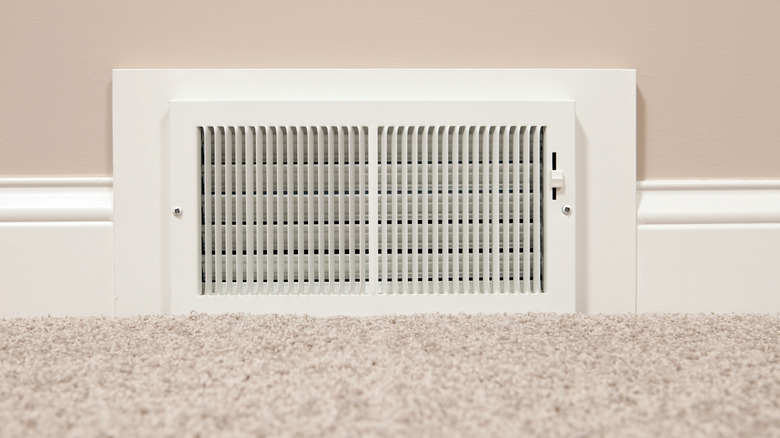
Maybe the air still feels cool, but it doesn't feel very strong. That restricted airflow is still putting major strain on your HVAC system, though. When less air moves through the ductwork, it takes longer to reach the same level of cooling. Over time, all that extra workload makes equipment failure that much more likely.
Dirty air filters are one of the most common causes of weak airflow. That filter is like the system's breathing mechanism. And if it's clogged with dust and debris, the unit has to work even harder to "breathe." That's why, during a heat wave, you'll really want to make sure your filter's in good shape. Different filters come with different lifespans, but most should be replaced every one to three months.
Of course, that's not the only cause of weak airflow. Blocked ducts and failing fan motors can be just as much to blame. As that airflow decreases, your cooling efficiency drops. Reduced efficiency means longer running times, adding even more stress on an already overworked system. It's a recipe for a breakdown.
Strange noises
Air conditioners are going to make noise. It's inevitable. But those noises shouldn't sound like grinding, squealing, rattling, banging, or similarly unpleasant sounds you've never heard before. Any one of these could be a sign of a major mechanical problem within the system. And during the extended runtimes that come with extreme heat, those problems are likely to get worse.
Grinding noises are a sign of worn mechanical parts. Squealing could be a bad belt or motor. Rattling might be due to loose components. Banging might be some serious internal failure. Whether it's just one or a combination, these unusual noises tell you something inside the unit is no longer working as it should.
During high temps, you probably shouldn't take the "wait and see" approach. It's better to be proactive because ignoring the sound until something actually breaks could be both more expensive and more dangerous. A repair might cost less than a replacement, and besides, you don't want to be left without AC during a heat wave.
Ice forming
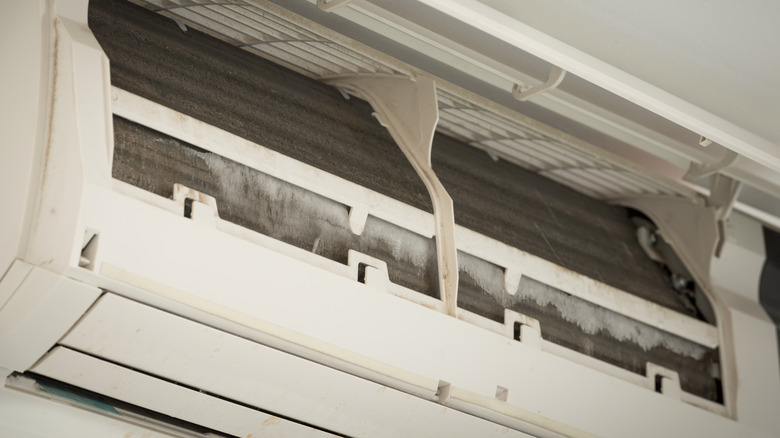
If you see ice forming on your AC, you might think, "Hey, everything's working great! My house is so cool there's literal ice on my air conditioner. And in a heat wave, no less!" But ice is actually another serious warning sign that your home's AC is in trouble. Frozen coils are a clear sign of mechanical problems, and visible ice on the system means you should shut the equipment off ASAP and contact a technician to come check things out.
This could also look like melted water pooled up around the system. That's your sign that ice was there but has since thawed. It's still a red flag that the air conditioner isn't working right and needs some professional attention. Make a habit of inspecting your indoor and outdoor components during the summer. If you see an unusual amount of water (or full-fledged ice), you're going to want to make that call before the thing gives up on you.
High energy bills
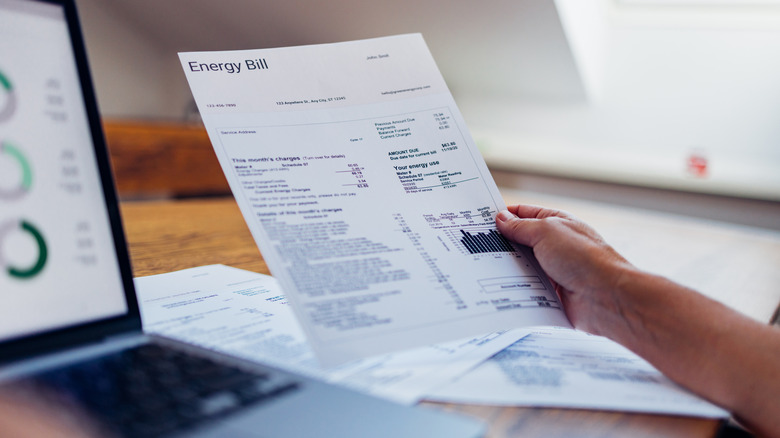
It's not always so obvious as some of these signs. The air coming out of your vents could be nice and cool and strong, the system could be making perfectly normal sounds, and you could be ice-free both indoors and out... and then the utility bill hits. Sometimes that higher-than-normal amount owed is the biggest warning sign you get before complete failure happens.
Failing systems eat up more electricity because they have to work harder (and run longer) to give you the same amount of cooling you expect. That's going to increase your electricity bill. And it can get especially high during extreme heat. Your equipment is running more often each day, which means more energy just to keep indoor temps comfortable.
Preventive maintenance is still the best, most cost-effective strategy for keeping your air conditioner alive during extreme heat. Regular filter changes and professional HVAC inspections every spring and fall will go a long way, as will paying attention to these symptoms listed above.