

4 Tips From Consumer Reports For Saving Money On Your Energy Bill
Owning a home isn't cheap (and we're not even talking about the cost to get the keys in the first place). Electricity prices have reached their highest levels in a decade, and many households are feeling the strain. Worse, even the most modest projections tell us energy expenses will only continue to rise going forward. Even as homes get more and more efficient with better appliances, smarter lighting, and more efficient insulation, energy bills just keep on climbing.
Today, the average U.S. household spends about $2,000 per year on energy. But that average can be much higher depending on things like climate or home size. Over a lifetime, that's tens of thousands spent. Luckily, Consumer Reports has publiushed some good advice here over the years. When taken together, their tips show meaningful savings don't have to come from major renovations or expensive upgrades. Instead, homeowners simply have to make smarter decisions and change small habits. With Consumer Reports' suggestions, you just might cut your energy bills by hundreds of dollars annually.
Invest in an energy audit
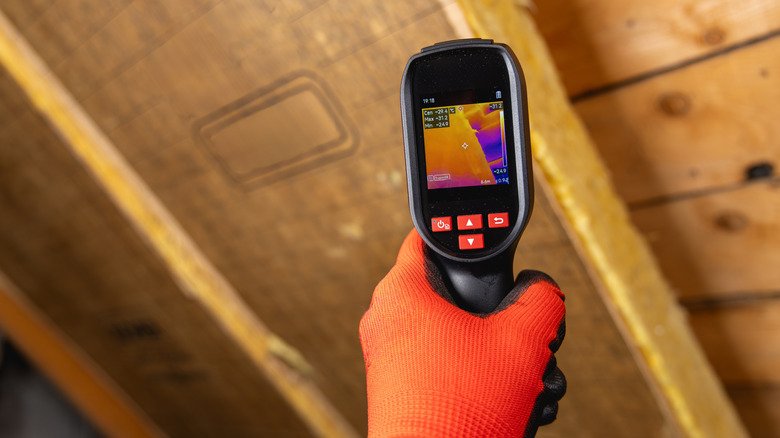
Spending money to save money might not sound like the most practical suggestion, but think about it: A single energy audit can go a long way to reduce your utility costs for a lifetime of homeownership. Consumer Reports says energy auditors can help you get a better understanding of where energy is being wasted. That way, you never have to waste time or money on fixes that only scratch the surface.
Professional auditors have the tools to find air leaks, insulation gaps, poorly sealed areas, even indoor air pollutants or carbon monoxide leaks. From there, you can get to work addressing all the areas for improvement in your place... and hopefully stop overpaying for your HVAC, natural gas, and electrical usage in the process. You might have to spend an average of around $400 for the audit, depending on the size of your home, but it'll all be worth it when you see those energy bills start dropping.
It's not always how you use energy, it's when
When looking for ways to lower your energy bills, plenty of households only focus on how much energy they consume. However, timing can be just as important. Some energy companies offer time-of-use pricing plans, which charge different rates depending on demand. Using electricity will cost you more during peak hours, but you'll spend less during the off-peak periods to make up for it.
By enrolling in one of these plans and shifting your most energy-consuming tasks (like dishes or laundry) to off-peak hours, Consumer Reports says you can shave a pretty meaningful amount off the bill. That could be thousands annually. Of course, it's important to note that signing up without adjusting your habits can actually lead to higher bills. It has to be a two-step approach. First enroll, then adjust. Otherwise, you're adding insult to injury by eating up tons of energy during peak surge pricing.
Drafts matter more than you think

If you live in an older home or apartment, you may have gotten used to draftiness. Alternatively, if you live in a newer place, you might assume draftiness isn't an issue for you. Neither attitude is going to help your energy bill in the long run. Consumer Reports says even the most efficient heating and cooling systems will struggle if a home isn't properly sealed. Air leaks around windows, doors, attics, and basements let all that cool air out, meaning your HVAC system has to work harder (and consume more energy) to chill your place. If you're closing doors, you're hurting the HVAC even more.
Sealing drafts and improving insulation can reduce energy costs by at least $27 per month, according to Consumer Reports estimates. Over the course of a year, that adds up to more than $300 in savings. Again, that's the least you're likely to save. Savings can only go up from there. Don't forget about your HVAC filters, either. Clogged filters force systems to work harder, which drives your energy bill up higher. Keeping those filters clean can save you another $11 per month on average.
Small changes that yield big savings
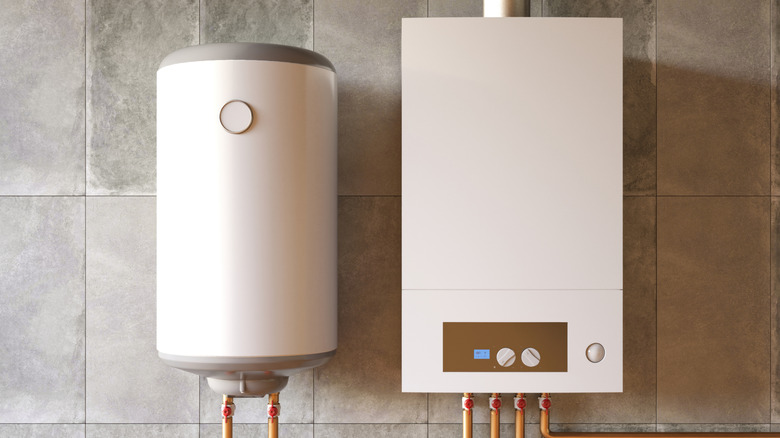
The little things add up when it comes to energy consumption. It might not feel like you're doing anything when you raise your thermostat by a degree or two or turn on a fan before blasting the A/C, but you'd be surprised. Consumer Reports says these little tweaks can save you a lot more than you realize. For example, lowering the temperature setting on your water heater from 140 degrees Fahrenheit to 120 degrees can cut annual energy costs by up to 22 percent. That's hundreds of dollars for a difference of just 20 degrees. They say adding an insulating jacket to the tank can cut energy use by another 7 to 16 percent, as well.
Nobody's saying you have to completely overhaul your home. Instead, it's all about understanding the common places where energy is being wasted and making the kinds of small improvements that deliver the most meaningful results. With these steps in mind, just wait and see how much you can save.