

How Long Do V6 Engines Tend To Last & Can You Extend Their Lifespan?
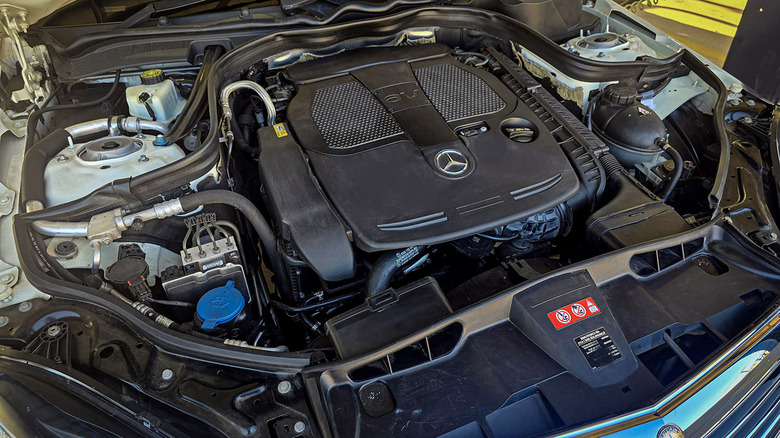
V6 engines are common in road vehicles, and if you own one, whether one of the most reliable or even one of the worst ever made, you may have wondered about their lifespan. Most modern V6 engines are designed to deliver 150,000–250,000 miles of service before a major overhaul, and many well-maintained examples routinely exceed that range. Industry analyses and long-term owner data show that V6 longevity is driven more by build quality and maintenance than by cylinder count alone; a typical baseline expectation is at least 150,000 miles, with 200,000+ miles common on reliable designs.
Real-world data skews higher for certain brands. Toyota's naturally aspirated V6s — like the 1GR-FE and 2GR-FE — regularly reach 200,000–300,000 miles, with fleet records showing averages near 450,000 km (~280,000 miles) before first major work and documented cases past 300,000–400,000 miles. Honda's 3.5L V6 (J35) is often cited around 200,000 miles before serious issues, with many units going well beyond when maintained. Ford's 3.5L EcoBoost V6 is typically rated in the 150,000–200,000-mile band due to turbo and carbon-deposit concerns, while some naturally aspirated Ford V6s can approach 250,000–300,000 miles. By contrast, some GM 3.6L V6 engines have shown timing-chain wear before 150,000 miles on early versions, underscoring that not all V6s are equal.
The takeaway: a reasonable planning figure for a modern V6 is 150,000–250,000 miles, with 200,000+ miles achievable on many Toyota/Honda units and 150,000–200,000 miles more typical for some turbocharged or less robust designs.
How to extend a V6 engine's lifespan
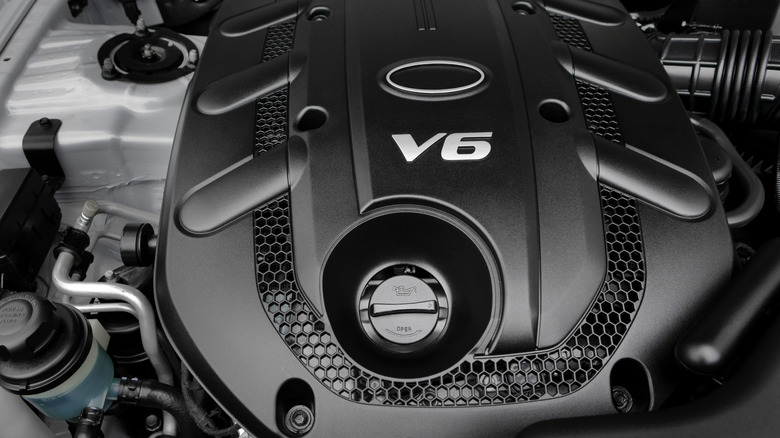
Yes, you can materially extend a V6's life by focusing on the five areas that most often determine whether an engine dies young or cruises past 200,000 miles: oil changes, timing system service, cooling system care, ignition/fuel maintenance, and air filtration.
Oil is the biggest lever. Never exceed the manufacturer's oil-change interval, even with full synthetic; sludge and timing-chain wear are a common problem with V6 engines and frequent killers on high-mile V6s. On interference engines, respect the timing-belt interval (often 60,000–105,000 miles) and replace the water pump and tensioners at the same time; on timing-chain engines, listen for cold-start rattle and address chain/guide wear before it cascades. Coolant flushes at recommended intervals (commonly 75,000–90,000 miles for older IAT systems) protect head gaskets and water pumps, especially on aluminum-head V6s.
Spark plugs, coils, and filters matter more than people think. Replace copper or single-platinum plugs around 60,000 miles and iridium plugs near 100,000 miles; misfires raise cylinder temperatures and accelerate wear. Keep the air filter clean and the intake path sealed to limit abrasive dust and carbon buildup, which is a known issue on direct-injection and turbocharged V6s. Finally, pull service records before buying high-mileage; if they're missing, assume nothing has been done and inspect oil condition, coolant pH, and timing components accordingly.