

Why Do Modern Smartphones Have Such Big Camera Bumps?
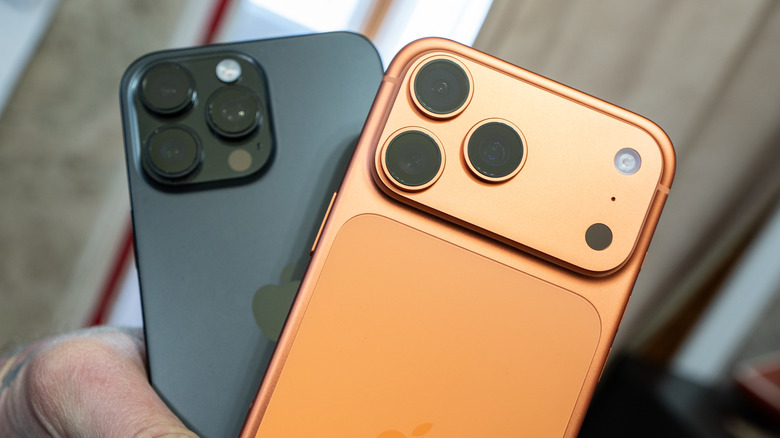
More and more smartphones are going minimalist, but there's one big thing in the way that's keeping them from being truly streamlined: those huge camera bumps on the back. In recent years, the top smartphone brands have been trying to fit increasingly impressive camera hardware into devices that have only been getting slimmer.
Larger image sensors, longer optical zoom capabilities, and more sophisticated lens arrangements all require physical space, and even the hardware behind that tiny hole next to the camera lenses takes up room in that area of the phone. And rather than making the entire phone dramatically thicker, manufacturers have simply opted to have the camera hardware jut out from the phone's back surface.
It's somewhat of an unavoidable trade-off. The larger hardware is what helps smartphones capture better images with sharper zoom and more realistic colors, but it also makes the phones bulkier in the process. It's both a practical and an aesthetic drawback. And when cameras are one of a phone's biggest selling points, what else are iPhones and Android phones supposed to do? It's literally go big or go home.
The trade-off for bigger, better smartphone cameras
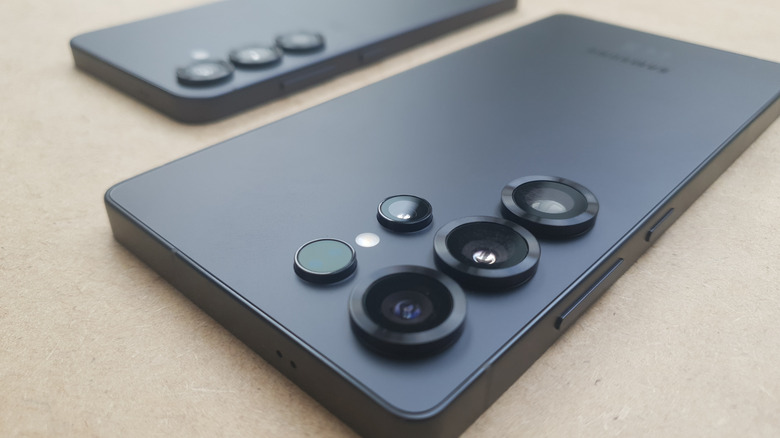
Image sensors can take up a lot of space. That's the part of the camera that records the light that passes through the lens. And where the technology currently stands, there's really no way around that fact. Giving the image sensors more physical area allows them to capture more light, which, in turn, improves image quality. They'd have to reinvent the wheel (or, rather, the camera) to change that. For now, we're simply stuck with the bump.
Optical zoom is another big need. Longer focal lengths mean better magnification and a narrower field of view, but to achieve those longer focal lengths, you have to put some distance between the lens and the image sensor. To check that box, manufacturers have been using complex lens arrangements with periscope designs to fit longer optical paths into relatively compact devices. In other words, making it flush with the back of the phone would mean sacrificing zoom performance. Combine that with the fact that modern smartphones often come with three or more cameras, each with its own unique purpose, and you have even more hardware protruding from the back.