

3 Buick Engines You Should Steer Clear Of
Buick has long been a great brand if you're looking a premium feel without having to spend a massive amount of money. A much different manufacturer to the muscle car producer it was decades ago, its current fleet of cars, albeit limited, has models such as the Envista priced in the mid-$20,000 range, with its leading options like the Enclave staying below $50,000 in its base guise. They're dependable, too, with Buick being named the most reliable American manufacturer by J.D. Power in February 2026. Looking at the used market, this can help you save a heap of money for cars that still hold up pretty well, but the current reliability trends haven't always been as high.
There aren't too many Buick engines to be avoided in general, but a few stick out as ones we'd advise to look past for a variety of issues. A lot of the problems that Buick faced in this area came in the late 2000s and early 2010s, with common problems being shared by completely different engines. While Buick survived GM's experience with the financial crisis during this era, there are three Buick engines we'd avoid, judging by owner reports and feedback submitted on sites such as CarComplaints.com and the NHTSA.
2008-2011 3.6L V6
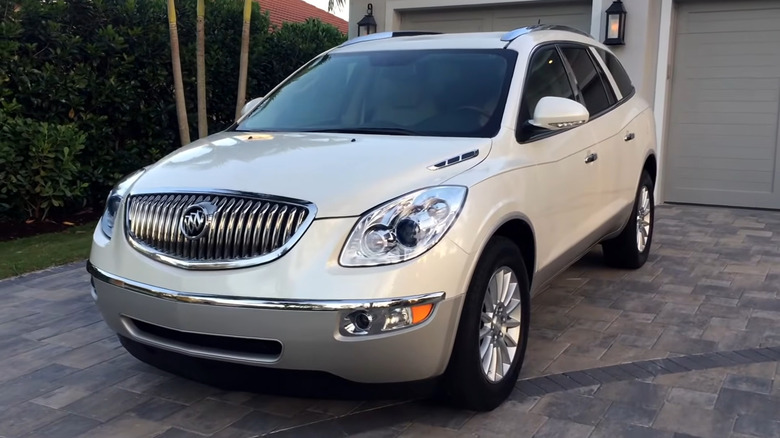
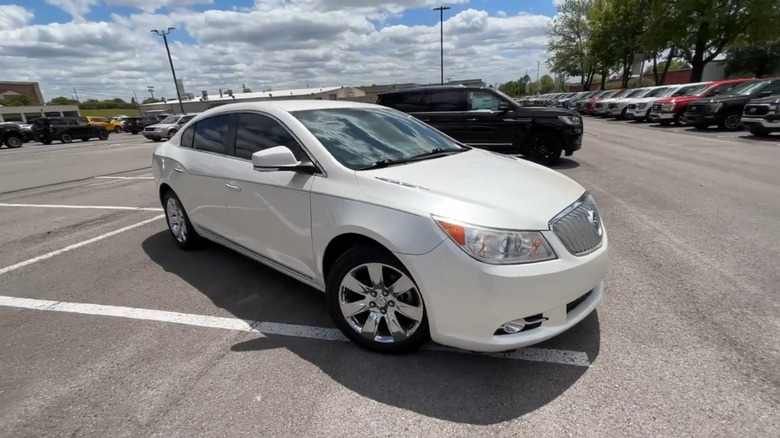
The Buick lineup started to get smaller in the late 2000s with only a handful of nameplates in production, much like it is today. One main difference, though, is the current lineup only has SUVs, whereas it still made sense from a financial point of view for the company to continue to make sedans at the time. In 2008 that was the LaCrosse. This was around the time smaller SUVs started to seriously gain traction, leading Buick to introduce the Enclave. Despite being in two different segments, the LaCrosse and Enclave used the same 3.6L V6, which unfortunately happens to be one of the most troublesome engines the brand has put in its cars.
The first 2008 model year for the Enclave is the one with the most issues reported on CarComplaints. In fact, most complaints are for the transmission, but that's a different story. As for the engine, issues with the 3.6L frequently appear in 2008, though this problem recedes somewhat over next few years. This engine has become a little infamous for timing chain failures, which is, unsurprisingly, the top complaint when it comes to what's under the hood. In the LaCrosse's case, drivers with the V6 note their cars stalling, which can occur if the timing chain starts to fail.
2011-2012 2.4L Four-Cylinder
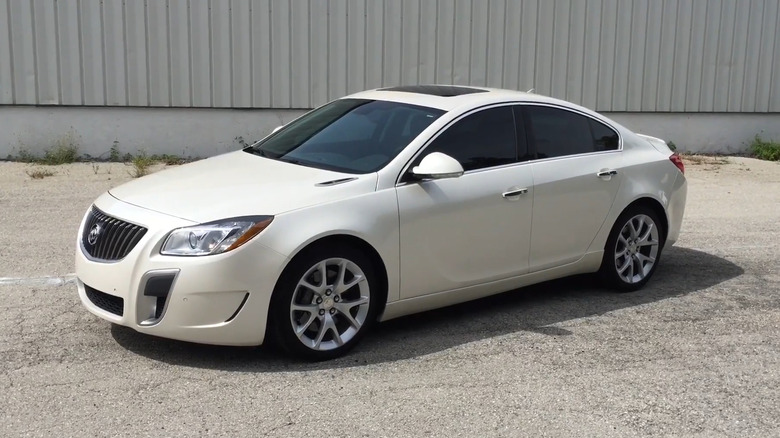
Moving into the 2010s, Buick had a few more sedans in production alongside the LaCrosse. The idea of having more sedans in the lineup than SUVs is almost an alien concept these days, that's what the American carmaker had Buick focusing 15 years ago. In 2011, the Regal was available alongside the larger LaCrosse and Lucerne, sharing far more similarities with the former of these. And in 2012, the smaller Verano sedan was introduced, which also took on board the base 2.4L four-cylinder.
While this Ecotec engine looks solid from the outside for a premium sedan, it wasn't immune to problems. Far from it, in fact. Similar to the 3.6L V6 that was also used in the LaCrosse, timing chain issues are a common occurrence with the 2.4L engine. The Regal in particular has the most complaints, with owners noting stalling and rough driving before diagnosing the cause. With the Verano, there's also plenty of reports of excessive oil consumption that reoccurs even after fixes, so it's probably best to go for another option for these three sedans. The 2.4L was the only engine available for the 2012 Verano specifically, making later model years safer in this regard.
2011-2013 2.0L Ecotec Inline-Four
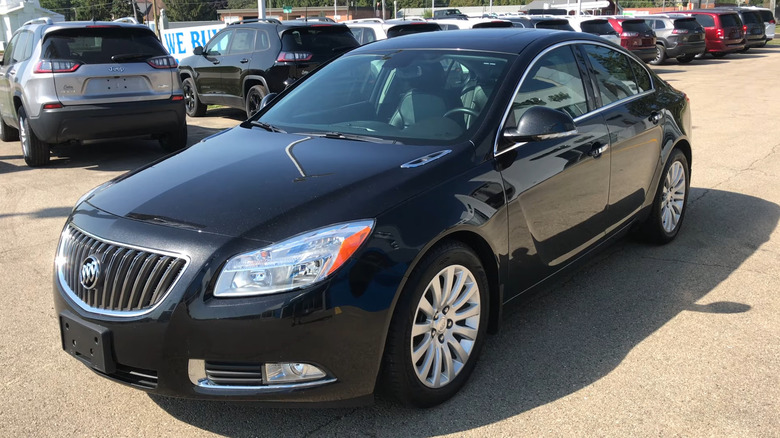
Keeping on topic with the Regal sedan, Buick also offered a slightly more powerful option if you wanted more motivation under the hood. This was the turbocharged 2.0L Ecotec inline-four engine, and while it doesn't have as many complaints overall as the 2.4L, certain model years are still flagged by owners as ones to avoid. Producing a decent 220 horsepower and 258 pound-feet of torque, you should notice the difference, but all too familiar issues can stop it from performing, particularly if its a 2011 to 2013 version of the Regal.
On CarComplaints, there are quite a few reports of the 2.0L Ecotec suffering timing chain failures. As a result, owners have also noted various other failures caused by the timing chain after the fact. Complaints come down after the 2011 model year, but on the NHTSA's website as well as CarComplaints, these Regals powered by the Ecotec sometimes struggle at very slow speeds. There are plenty of cases that talk about shuddering when pulling off or going lights out completely when slowing down, so going a little newer if you're looking for a used Regal can help you get the most value out of it in the long term.