

Can A Motorcycle Helmet Be Used For Car Racing?
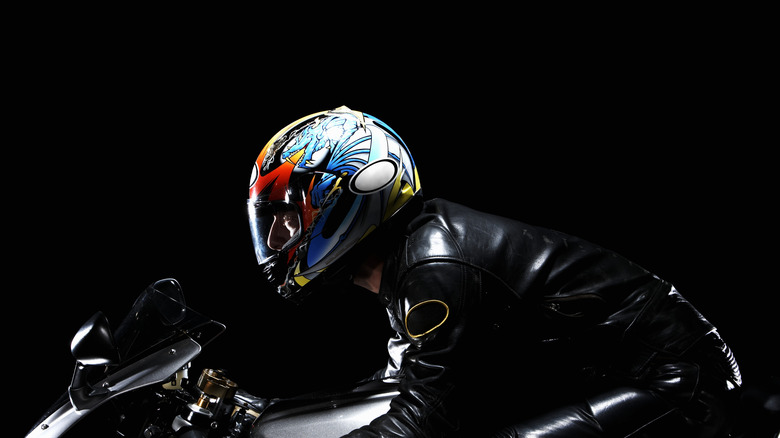
A motorcycle helmet, regardless if it's one of the high-quality models, or one suitable for new riders, may physically fit inside a race car, but that does not mean it is acceptable for car racing. For sanctioned competition, the answer is usually no. Drivers must wear a helmet that meets the event organizer's specified automotive racing standard. A motorcycle helmet with only a DOT label is not automatically suitable, even if it is expensive, full-face, and provides excellent protection on the road.
The important distinction is certification. The Snell Foundation, for example, labels helmets by intended use: M is for motorcycling, K is for karting, and SA, or Special Application, is for auto racing. Rules vary by organization and event. For instance, the Sports Car Club of America allows certain Snell M-rated helmets in some lower-level activities, including specified Solo, RallyCross, and Time Trials categories, but its higher-level road-racing and time-trial requirements call for an SA-rated helmet. That means a motorcycle helmet could be permitted for a casual autocross or noncompetitive track-day session, but it may fail technical inspection for wheel-to-wheel racing.
The rulebook, not a seller's marketing claims, should settle the question. Some clubs accept a current Snell motorcycle helmet for novice events, while others require SA, FIA, or SFI approval. A driver should check the organizer's rules before arriving at the track, along with the helmet's certification date; motorsport organizations commonly set expiration windows for approved equipment.
Different crashes, different helmet designs
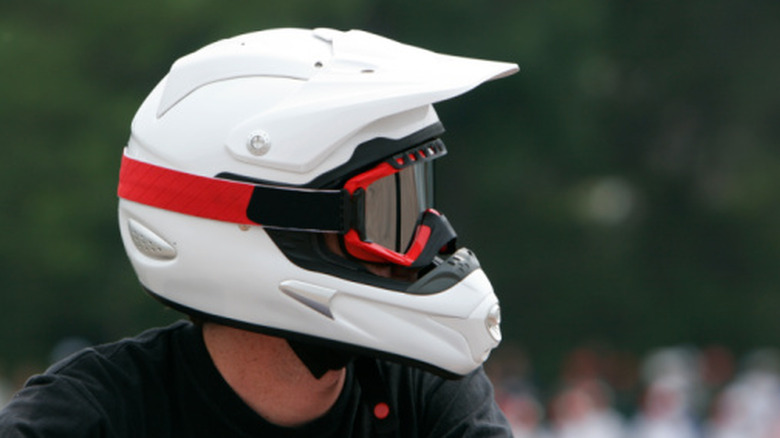
Motorcycle and auto-racing helmets both protect the head from impact, but they are designed around very different environments. A motorcycle rider is exposed to weather, wind noise, flying debris, and the possibility of sliding across pavement. As a result, motorcycle helmets generally prioritize aerodynamic stability, ventilation, wide visibility, and comfort in open air. Their certification testing is aimed at motorcycle crash conditions.
An auto-racing helmet is designed for a driver strapped into a seat within a confined cockpit. Instead of sliding down a road, the driver may strike the steering wheel, roof, door bars, window area, or roll cage during a collision or rollover. Automotive helmets therefore undergo testing intended for that environment, including additional impact considerations associated with roll-cage contact.
Fire protection is another major difference. Many automotive helmets use fire-resistant interiors, often based on Nomex materials, while typical motorcycle helmets use linings chosen primarily for comfort and moisture management. Racing helmets can also be configured for a frontal head restraint, commonly called a HANS device, which helps limit head and neck movement in a severe frontal impact. Snell SA helmets from SA2015 onward include threaded inserts for such restraints.
The bottom line is straightforward: Use a motorcycle helmet only when the event explicitly permits its exact rating. For competitive car racing, buy or rent a current auto-racing helmet that meets the organization's stated Snell SA, FIA, or other required certification. If you are shopping for a great motorcycle helmet specifically, check out our list of the major motorcycle helmet brands ranked from worst to best.