

The Downsides Of E85 Fuel You Should Know Before Using It
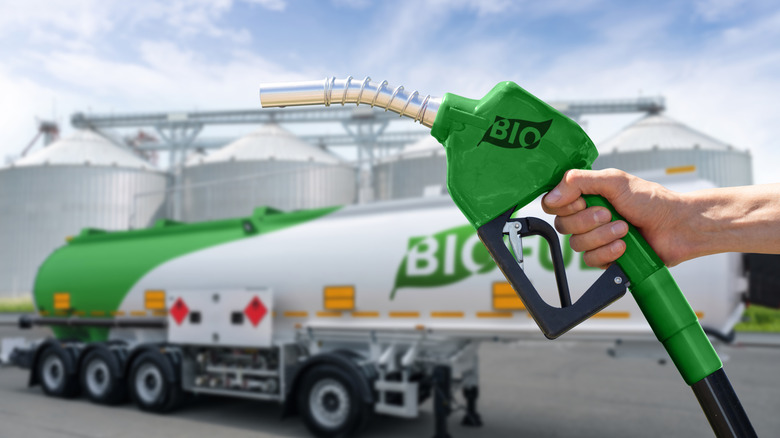
Although it may not be particularly common, you might have started to see E85 fuel as an option at the gas pump in the U.S. This alternative fuel source consists of 85% ethanol, with standard gasoline making up the remainder. While there are certain potential benefits to embracing E85 fuel, it's also important to familiarize yourself with the downsides of E85 before making the switch.
Theoretically, E85 can help reduce our dependence on foreign oil. Because the ethanol in E85 fuel is often generated using local materials, filling up your tank with this option may also be a way to support local businesses and workers. These are undeniable advantages. However, E85 isn't compatible with all vehicles. You need to check if your vehicle can accept this type of fuel before attempting to use it. On top of that, even if your vehicle is compatible, there are some drawbacks to E85 to keep in mind before deciding this is the right fuel for your car.
E85 fuel's cost benefits may be canceled out
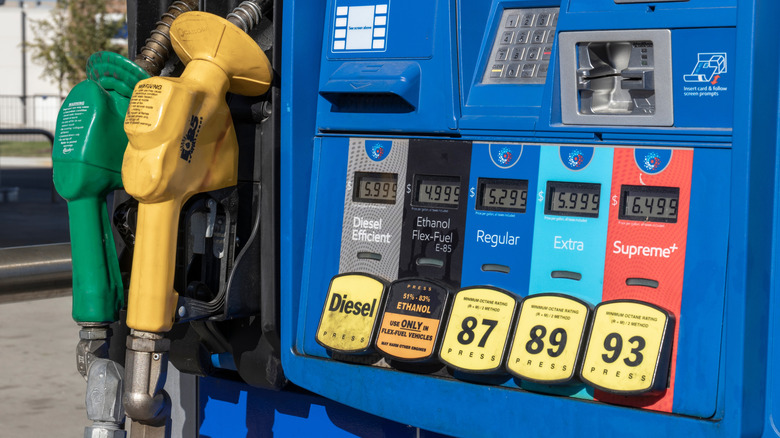
At first glance, you might find that E85 fuel costs less than standard gasoline options. It's often possible to charge less for E85 because using local materials and ethanol is more cost-efficient than relying on foreign petroleum. In addition, the materials and resources used to create ethanol for E85 fuel are typically renewable. This potentially helps reduce the environmental cost of filling up your vehicle.
Unfortunately, it's not yet clear whether those theoretical benefits translate to real, significant savings for consumers and the environment. That's because a vehicle's fuel mileage tends to decrease when a driver uses E85 in favor of a more common fuel source.
At the very least, this can result in the annoyance that comes with having to frequently refuel a vehicle. It can also mean that drivers don't save as much money as they might assume they would when they choose E85. Requiring drivers to use more fuel than they otherwise would could also offset some of the environmental benefits this option supposedly delivers.
You might not be able to find E85
You're not necessarily out of luck if you want to experiment with E85 but you don't own a vehicle that's compatible with it. Through fuel injector upgrades, fuel pump upgrades, and E85 conversion kits, it's often possible to fix this. Of course, you should always consult with a professional if you need more information about how to make your vehicle compatible with E85 fuel (and whether this is even an option).
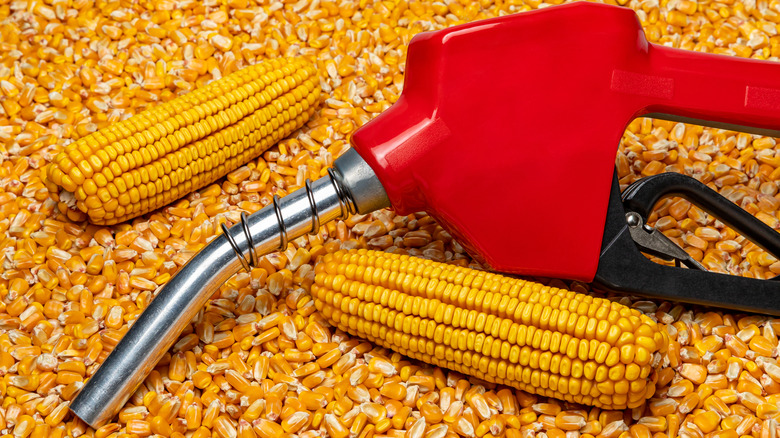
Making such upgrades will cost money. The problem is, even when your vehicle is compatible with E85 fuel, it may be difficult to find. Currently, you're more likely to find E85 fuel in the U.S. at gas stations in the midwest, as they're closer to corn-producing farms that generate the raw material needed to create ethanol for E85. Gas stations in and around major cities and transportation hubs might also be more likely to offer this option. In other parts of the country, it can be more challenging to come by. Consider the availability of E85 fuel in your area before deciding to make costly vehicle upgrades that ultimately might not be worthwhile.
It's also worth noting that the fuel isn't necessarily abundant. Even if a gas station technically offers E85, the pump might not always be on. Luckily, with a flex fuel vehicle, you can still use regular gas, but this is nevertheless an important factor to consider if you're thinking about potentially spending thousands of dollars on upgrades just to make your vehicle E85-compatible.
E85 isn't ideal for all climates

The environmental and cost benefits ethanol offers don't mean it's a completely perfect resource for fuel. When a fuel contains relatively high concentrations of ethanol, it can be harder to ignite when it's cold out. This naturally means that you might struggle to find E85 at gas stations in regions with fairly cold climates. Depending on where you live, E85 could also a be perfectly decent fuel option for only part of the year.
Remember to check your vehicle's manual to confirm it can even accept a biofuel like E85 in the first place. Again, speak with a professional to learn more about the best fuel types for your vehicle. In fact, ethanol can actually damage some engines, highlighting the importance of knowing what types of fuel are and aren't right for your car.
None of this is meant to suggest that E85 is always an inferior option. It can't be stressed enough: This biofuel could offer real benefits to both individual drivers and the overall environment. It's simply critical to remember that a fuel that's ideal in some circumstances isn't always best in all driving contexts.