

Can A Circuit Breaker Be Bad Without Tripping?
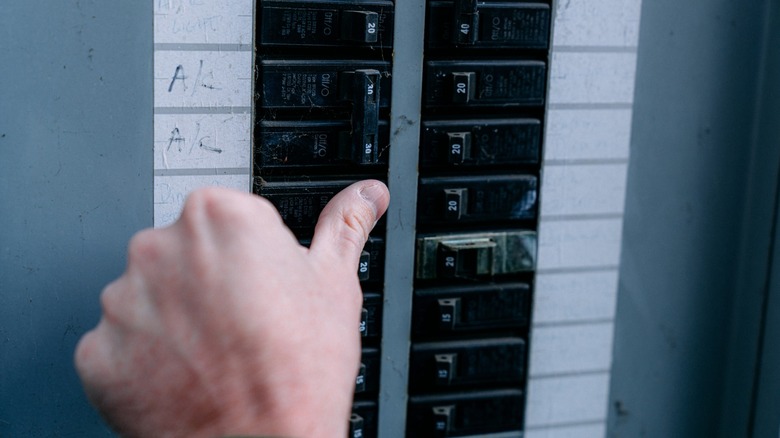
Circuit breakers are an integral part of any home, protecting the electrical circuit against overloads and short circuits. When it detects excessive current, the circuit breaker trips, stopping the flow of electricity. But as it turns out, a circuit breaker can go bad even without tripping, which can happen when the circuit breaker develops faults with any of its internal components, like the contacts, springs, coils, strips, and more.
Circuit breakers can go bad after being in use for an extended period due to normal wear and tear. Over time, for example, springs lose tension, or if the circuit experiences frequent overloading, the breaker can fail sooner. It goes without saying that low-quality circuit breakers are more likely to go bad than those from reputable manufacturers, and in most use cases, you'll likely discover a cheap circuit breaker malfunctioning even if it hasn't tripped.
A faulty circuit breaker is a call for concern, as it may not stop the flow of current during overload or short circuit. This can damage electrical appliances on that particular circuit and increase the risk of electric shock and fires. The good news is that detecting a bad circuit breaker is fairly easy, as there are a few obvious signs that tell you when it's time to get it inspected or spend the money to install a new circuit breaker.
Signs your circuit breaker may be bad
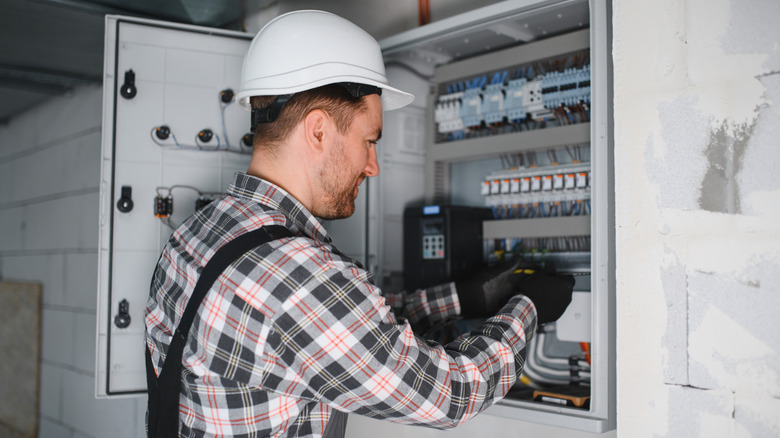
One of the most common signs of a bad circuit breaker is excessive heat generation. A circuit breaker shouldn't be unusually hot during normal operations, but if you notice it's constantly hot or there's a burning smell, it's likely that the circuit breaker is bad. Additionally, check for any burn marks, melted casing, charring, signs of arcing, and listen for buzzing or crackling sounds coming from the electrical panel.
Beyond this, flickering or dimming lights, intermittent power loss, or appliances shutting off unexpectedly are other obvious signs for the average homeowner. If you notice that appliances suddenly feel underpowered or are underperforming, it may also be an indication of a failing circuit breaker. To find out what's at fault, you can connect the appliance to an outlet on a circuit in another area. If the problem persists, it could be the appliance, but if things seem alright, you may need to get the circuit breaker checked out.
Lastly, if the circuit breaker feels stuck and doesn't move to the ON position , or trips as soon as it's set to ON, it's an obvious indicator that there's a problem somewhere. If you notice any of these signs, it's best to consult a professional. Even though circuit breakers can last decades, operating conditions play a major role, and ignoring these signs is a common electrical mistake many people make, putting their homes at risk.