

Why Do Some Mechanics Taste Engine Oil And Is It Actually Safe?
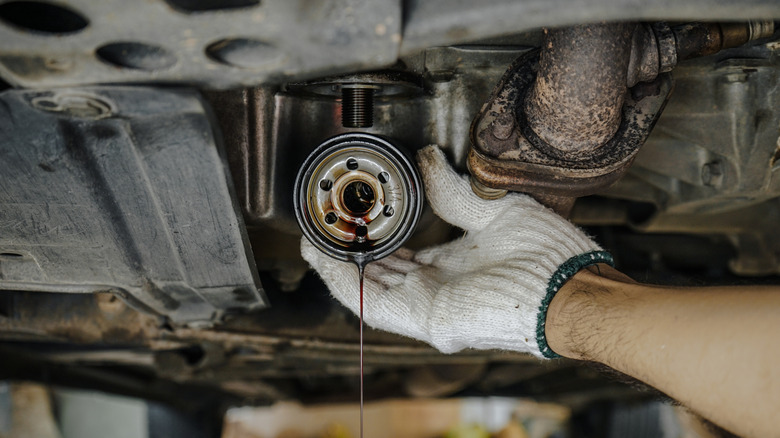
Many experienced mechanics don't rely solely on diagnostic scanners and ECU codes to predict or triage faults. Long before OBD-II ports and scan tools became common, experienced technicians learned to trust their senses. The sound of a worn wheel bearing, the smell of an overheating clutch, the feel of excessive vibration through the steering wheel, or even the sight of discolored fluids all provide valuable clues about a vehicle's health, or lack thereof. Today, the most experienced mechanics still use those sensory checks, alongside modern equipment, to quickly narrow down potential faults.
There is some clear logic to it. Each sense does offer a different vector of information. Listening can reveal knocking bearings, hissing vacuum leaks, or other abnormal noises. Smelling can detect burning oil, leaking coolant, or an overheating electrical component. Touch can identify excessive heat, rough bearings, or changes in the texture of lubricants. Beyond these, simple visual inspections remain one of the most powerful diagnostic tools, allowing mechanics to spot leaks, contamination, or unusual wear that could indicate an impending major failure.
But how much is too much when considering the overlap of biological and mechanical processes? Some of these practices represent long-standing points of contention regarding their validity, but very few have catalyzed more debate than claims that the best way to test motor oil is by taste.
While it seems more common as the basis for a workshop prank, stories continue to circulate of technicians giving oil a little taste as part of a diagnosis. To those unfamiliar, it seems downright reckless. Yet these stories persist, with many genuinely believing a quick nip of Mobil 1 being the best way to gather information and determine the presence of a fault.
What's in the taste?

The idea behind tasting engine oil isn't that mechanics enjoy it. Anyone who has fumbled an oil change can tell you motor oil isn't brewed for flavor. Those who practice the taste test claim the goal is to taste contamination, not the oil itself. A tiny amount of gasoline leaking past worn piston rings may add a bitter tang, or ethylene glycol-based coolant entering through a failing head gasket may introduce a slight sweetness. It is also supposedly possible to detect excessive combustion by-products, oxidation, or metallic contamination from internal engine wear through various acrid or metallic notes.
Whether tasting actually provides reliable diagnostic information is another question entirely. Human taste receptors are surprisingly limited. Much of what we perceive as taste is actually smell, a process known as retronasal olfaction. This means anyone detecting foreign compounds is more likely doing so through their nose, rather than on their tongue. Ultimately, the same result would be achievable regardless of whether the dipstick is simply being held near the nose or being treated like a lollipop.
But more importantly, engine oil is not something designed for human consumption. Motor oil contains refined petroleum hydrocarbons, combined with a complex mix of chemical additives that improve lubrication and reduce wear. Once it has circulated through an engine, it becomes even more hazardous, picking up microscopic metal particles, combustion by-products, fuel residues, and potentially carcinogenic compounds, such as polycyclic aromatic hydrocarbons. Health authorities have repeatedly warned about the dangers associated with ingesting toxic automotive fluids. The most dangerous fluids commonly identified include ethylene glycol (coolant), methanol (windshield washer fluid), and hydrocarbons (gasoline and motor oil). These can all contribute to blindness, chemical pneumonitis, renal failure, neurological stress, and death.
Better ways to test your oil

Even if tasting engine oil occasionally gave a mechanic an extra clue, potential health risks and easier alternative methods far outweigh any possible benefit. While a tiny accidental exposure is unlikely to cause grievous or permanent damage, deliberately and repeatedly consuming oil shouldn't be considered a safe or professional diagnostic technique.
Fortunately, there are much better ways to assess oil condition without having to resort to becoming a Castrol connoisseur. Smelling the dipstick can reveal a variety of issues, including fuel injector, carburetor, and EVAP malfunctions. Rubbing a small amount between your fingertips, preferably while wearing nitrile gloves, can highlight gritty contamination or unusual thinning. Smearing a drop onto a clean white card or sheet of paper makes it easier to spot metallic particles, sludge, or coolant contamination as the oil spreads. Finally, given enough time, laboratory oil analysis can definitively identify metal particulates, fuel dilution, coolant intrusion, viscosity changes, and additive breakdown with remarkable accuracy.
So while your senses remain some of the most valuable tools in the workshop, tasting or consuming oil shouldn't feature on any vehicle inspection or maintenance checklists. The possibility of serious injury through swallowing toxic chemicals or aspirating hydrocarbons into the lungs is substantially worse than any potential insight that may be gained.
Leave it as a prank for new apprentices or a sleight-of-hand gag for someone unfamiliar with the joke. When it comes to tasting, there are far better oils out there than a Motul margarita.