

Google Confirms 'Dynamic' Pixel Phone Pricing – Here's What That Could Mean

On August 12, Google will launch its eleventh-generation Pixel smartphones at its "Made by Google" event. The new lineup is expected to include the Pixel 11, Pixel 11 Pro, Pixel 11 Pro XL, and the Pixel 11 Pro Fold. As is typical of Google, the tech giant has been largely silent on what to expect from these new smartphones. However, most rumors indicate that the new smartphones will incorporate six new features that could put the Pixel 11 ahead of Samsung.
Thanks to the ongoing global memory shortage, the price of several Apple products has already increased, and it looks like the Pixel 11 will suffer the same fate. The size of that increase — as per most rumors — hovers around the $100 mark for the standard Pixel phones. However, given the sheer volatility of memory prices, Google has confirmed that it will take a more flexible approach to pricing. In a recent interview with 9to5Google, Google Vice President of Devices and Services Shakil Barkat said Pixel price "adjustments" would be rolled out "dynamically to match supply realities."
Unfortunately, Barkat doesn't go into too much detail about how this may work. However, the statement did end up causing quite a stir because dynamic pricing for smartphones hasn't traditionally been a thing. Consumers are left wondering whether it could mean constant revisions to prices for effectively the same hardware, with getting a good price depending on sheer luck.
Google Pixel 11 dynamic pricing: What to expect
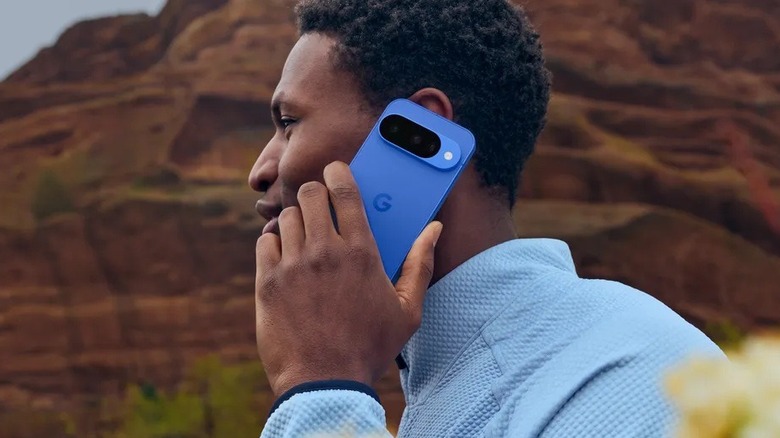
The most recent pricing-related rumor surrounding the Google Pixel 11 lineup came from an Amazon listing leak from mid-July 2026, which indicated an $899 price tag for the standard Pixel 11. Pricing for the rest of the lineup looked like this: Pixel 11 Pro: $1,099, Pixel 11 Pro XL: $1,299, and the Pixel 11 Pro Fold: $1,899. These starting prices are $100 more than those of their respective predecessors from 2025, although the Pixel 11 and Pixel 11 Pro are rumored to include twice as much base storage at 256GB.
However, if Google ends up adopting a dynamic pricing model for the Pixel series, it could mean that Google would adjust Pixel prices as component costs and supply conditions change. So, a smartphone priced at $899 one week could cost $1,000 the very next week simply because memory prices went up when the next batch was manufactured.
In fact, if Google marches ahead with this plan, it could pave the way for other manufacturers to do the same. These changes may make some consumers wonder if the Google Pixel 11 is worth waiting for or if they should snap up last year's model while they can. That being said, aside from this one-off quote from a senior Google executive, there is no other indication that Google intends to make dynamic pricing for its Pixel smartphones the company's sales strategy for the foreseeable future.
Can Google legally implement dynamic pricing in the U.S.?
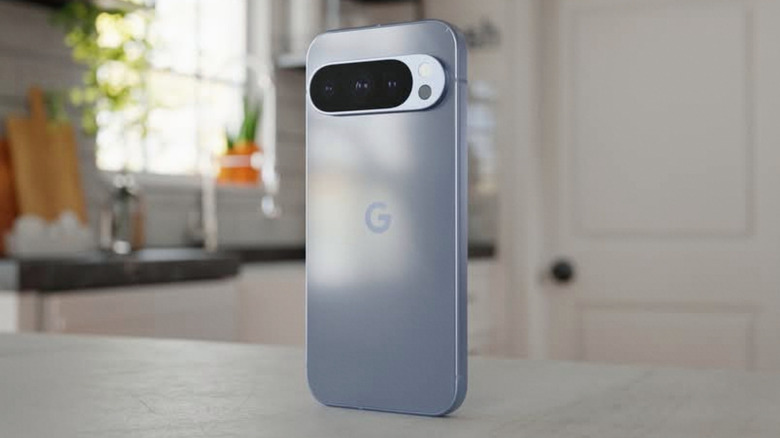
The short answer is that dynamic pricing is not inherently illegal in the U.S. It is also true, however, that the practice has been subject to intense legal scrutiny in recent years. Traditionally, the dynamic pricing model has been used in sectors such as travel and aviation, where the cost of a ticket is based on various factors like passenger demand, time until departure, and passenger travel history.
However, such a strategy is uncommon with goods of physical nature, especially electronic gadgets like the Google Pixel. The reasons are simple. Most of the components used in electronic devices are ordered in bulk well before the finished product reaches stores. A sudden increase in demand for such products does not necessarily raise the manufacturer's cost of producing units. Charging more simply because a product has become popular will almost always feel less justifiable to consumers.
That being said, there are several circumstances in which dynamic pricing could attract the attention of authorities. In circumstances where companies mislead customers about prices, or secretly coordinate pricing with competitors, it could result in regulatory action. Agencies like the Justice Department and the FTC have previously acted against companies accused of using shared pricing algorithms and surveillance pricing methods. Nothing Google has said indicates that it would personalize Pixel prices using customer data or coordinate prices with competitors. Nevertheless, while it remains unclear whether Google will implement a dynamic pricing strategy for the Pixel lineup, we should get a clearer picture by August 12, 2026.