

You're About To Pay Even More For New Apple Products - Here's Why
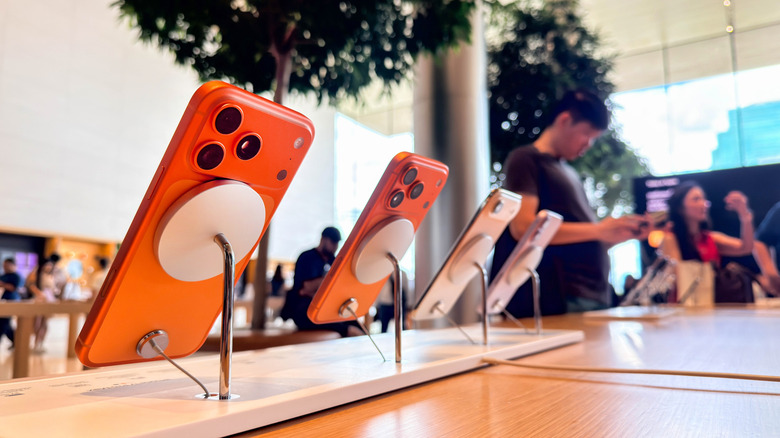
Just ahead of the anticipated iPhone 18 launch, Apple has announced an "unavoidable" price increase. Speaking with The Wall Street Journal, Chief Executive Tim Cook confirmed the price hike, blaming the rising costs of memory and storage chips. "We're doing our best to mitigate the huge increases that are being passed to us, and we've been trying to shield our customers from the increases, but the situation has become unsustainable," Cook said. This was a previously predicted outcome of the continued growth of AI servers.
The pricing for memory and storage chips has increased so much, in fact, that it's estimated the next iPhone Pro model could cost an additional $270. Cook didn't confirm any pricing and timing — nor did he mention which products would see price increases — but it's very likely going to include the iPhone 18, expected to launch in September 2026 (if it's not delayed). If so, the iPhone 18 could cost well over $1,400 due to Apple's need to still make a profit after adding the expensive storage chip and new camera system. This could result in consumers choosing to keep their older models instead, shrinking the smartphone market.
Why are smart phoneprices increasing so much?
The alarming potential price increase of the iPhone 18 and other Apple products is due to a shortage in memory and storage chips, with Cook highlighting the DRAM memory market specifically. These chips are becoming harder to come by due to AI servers buying them all up as they rapidly grow. "There's less supply at a time when consumers want devices and the memory guys are passing along huge price increases," Cook explained to WSJ. "We definitely need memory pricing and supply to return to reasonable levels for consumer products. That's the bottom line."
It's become such a huge issue in the tech industry that even companies like Google, Microsoft, Meta, and Amazon have increased their capital spending budget in order to make up for the new price of these chips, which have quadrupled. Apple itself spends tens of billions of dollars every year on memory and storage.
But even increased spending won't guarantee chips — companies are in low supply due to AI servers, which take precedent even as they build more factories. Cook advised companies to start looking into Chinese memory chip companies, even with national security risks.