

Why The Slate Truck Made A Last Minute Change To Its Battery Tech
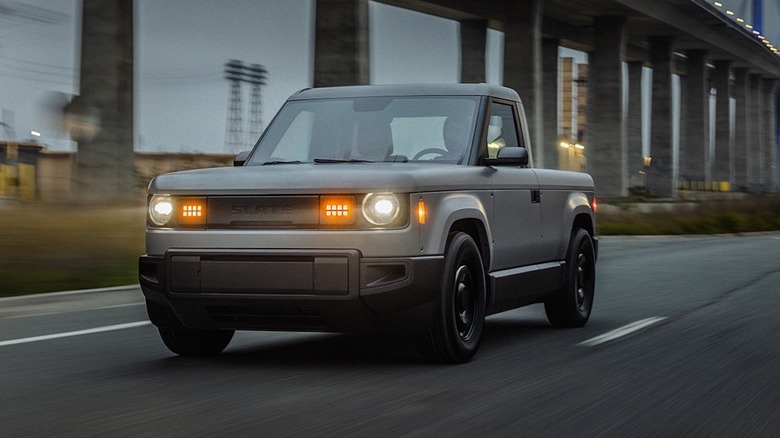
Slate, makers of the upcoming barebones electric pickup truck, made a change to the battery technology that it will be using in its upcoming 2027 production models. Instead of the originally specified nickel-manganese-cobalt (NMC) battery pack, Slate has switched to a less expensive lithium iron phosphate (LFP) battery that is sourced from China's Gotion. China is estimated to control over 98% of the materials that go into LFP batteries. The Slate Truck's starting price is cheap, although a fair bit more than what was originally promised.
The reason for the switch on the battery materials is all about the elimination of the $7,500 tax credit for buyers of electric vehicles. Under its previous rules, batteries powering any vehicle that would qualify for the credit couldn't use minerals or parts produced by a "foreign entity of concern," which definitely includes China. Now that the tax credit and its supporting rules are gone, Slate is free to source a less-expensive battery from China. LFP batteries cost about 40% less than NMC, since iron costs much less than cobalt or nickel.
The new LFP battery comes in at 65 kWh, with a usable capacity of 63 kWh. It powers a 181-horsepower electric motor that drives the rear wheels. Slate has estimated a 0-60 mph time of eight seconds for its truck, with a range of 205 miles. The Slate truck has been officially priced at $26,400 including destination charge. While this is more than its original pre-tax credit price of less than $20,000, it is still pretty fairly priced.
Affordable and ultra customizable
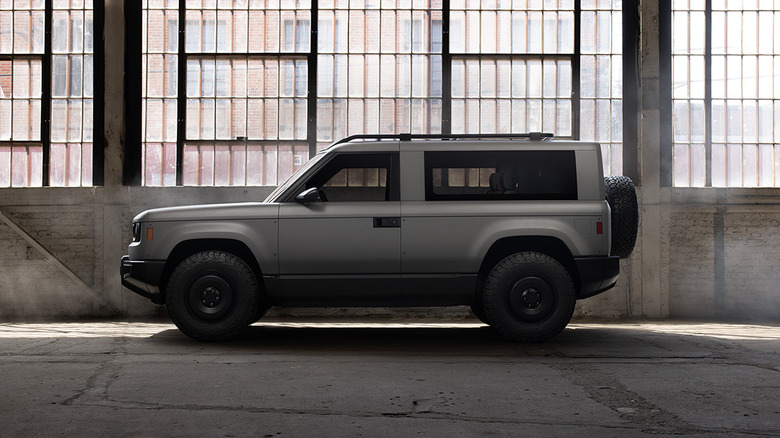
The eye-catching Slate Truck starts out very basic, with crank windows, wheels made of low-tech steel, and climate controls that are manually operated. You can rest assured that air conditioning and old-fashioned cruise control are standard equipment. That being said, Slate allows its buyers a wide range of customization options.
These start with an assortment of over 100 vinyl wraps, including some that are Crayola-approved, that go on top of the truck's unpainted body, through accessories that include zip-off seat covers, roof racks, tonneau covers for the pickup bed, and stereo systems. For an additional $5,000 to $7,000, you can even upgrade your Slate into an SUV, with a kit that includes an extended roof in either squareback or fastback styles, along with a rear seat that expands the Slate's passenger-carrying capacity.
Slate has also introduced Slate U, which lets DIYers take on some customization tasks themselves. Slate U provides how-to video content developed for any skill level, backed up by agents set up to chat, provide assistance, and refer customers to "trusted service providers" if a job threatens to overwhelm the DIYer. It's a completely free service that is unlikely to be duplicated by other vehicle manufacturers.
The Slate pickup, as well as its SUV variants, will provide a test of whether the U.S. market really wants a simpler, no-frills vehicle. The success of the Slate brand will determine whether its bare-bones, customizable, DIY aesthetic is the answer to a question anyone is asking.