

Flood-Damaged Car: When You Can Fix It And When It's Time To Move On
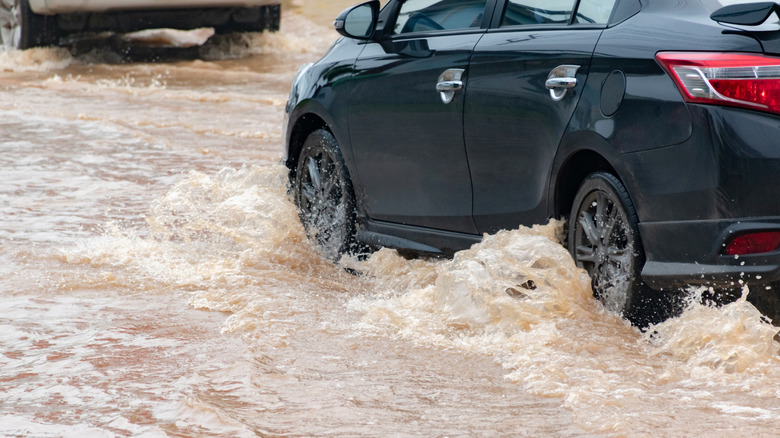
Trying to drive through a flood is never a good idea, as the damage it can do to your vehicle could potentially ruin it. If your car has been affected by flood waters, it may be possible to fix it, depending on the severity of the damage. But knowing when to attempt repairs and when the time has come to walk away isn't always a simple decision.
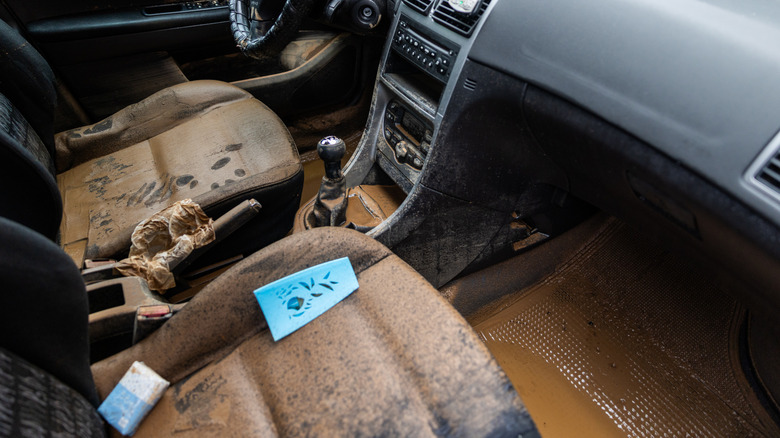
You should begin by evaluating the extent of the damage. If water was just high enough to reach the floor, your car might be salvageable. But it would need to be properly dried, cleaned, and then inspected. However, if the water was high enough to reach the engine, the situation could get much worse. Floodwaters can damage major engine components, or even the car's electrical systems, both of which would be more difficult and more expensive to fix. In fact, flood damage, especially if caused by saltwater, can actually total a car. Spending any money at that point, depending on your situation, may not make much sense.
But if you do decide to save your car no matter the cost, that doesn't mean you're in the clear. Corrosion can develop over time and electrical damage, though not evident before, can both cause issues after the fact. So before you make a decision to either fix your car or move on from it altogether, have it inspected by a professional. That should give you a better idea of what to do next.
What you should know about flood damaged vehicles
If the cost to repair a flood-damaged car is more than its value, it could receive a salvage title. This doesn't mean that the car can never return to the road, as totaled vehicles can often be sold and repaired. But those vehicles must pass inspection and if they do, the salvage title could be changed to a rebuilt title. When this happens, a car can be registered with the state and driven again. However, the vehicle's flood history doesn't go away, which is why it's important to know a used car's background before buying.
The problem is that some shady sellers may try to clean up a flooded car to hide any signs of damage. They may move a car from one state to another before the vehicle's history can be recorded. Sellers could even switch the vehicle's title in an effort to make the car appear to be legitimate and in good condition, when it actually isn't. This can make identifying a flood-damaged vehicle even tougher.
But sometimes, no amount of cleaning can mask the musty odors, or hide the waterlines created by deep water. Buyers that suspect they have a flooded car should take the vehicle to get it checked out by a technician to determine just how bad the damage really is. The vehicle's history should be checked as well, and any signs of misrepresentation on the seller's part can be reported to the National Insurance Crime Bureau.