

When Should You Avoid Using Synthetic For An Oil Change?

Some car owners often weigh the pros and cons of using either synthetic or conventional motor oil in their vehicles. Is there a time when using the former just isn't a good idea? The truth is that for most drivers, if your vehicle manufacturer recommends using synthetic oil, then you shouldn't avoid it. However, there is one notable exception where a different type of oil may be a better choice.
A brand new or recently rebuilt engine that's still in the break-in period may not need synthetic motor oil. That's because during the break-in process, piston rings need to properly seat against the cylinder walls in order to create a strong seal. In this case, specially formulated break-in oils that allow the controlled wear that's needed, while also protecting the engine's components, are the better choice. Once the process is completed, the engine can switch to the oil recommended either by the manufacturer or the engine builder.
Some drivers believe that synthetic oil can cause leaks or other problems in older vehicles, but modern synthetic oils are designed to meet the same industry standards for engine compatibility as other oils. Synthetic oils will not damage engine seals or cause blow-by in older engines, and they may even benefit some older engines because they aren't as likely to form sludge as they break down. They can also provide better protection in extreme temperatures. However, the correct oil choice still depends on the vehicle's exact specifications and the manufacturer's recommendations.
Why synthetic oil has grown in popularity over traditional motor oil
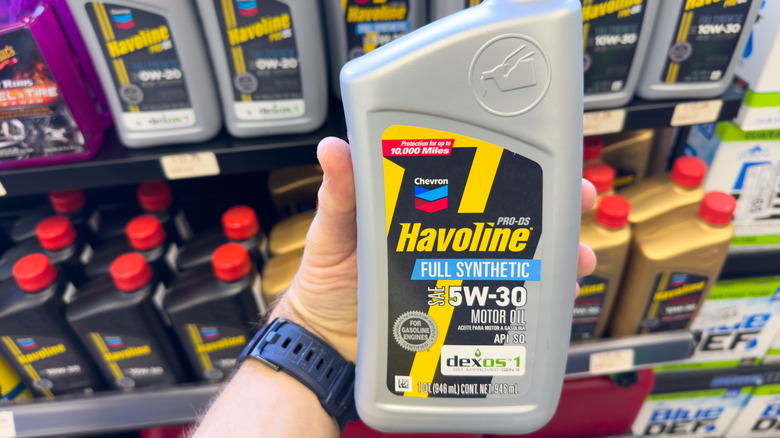
While synthetic oil may not be the right choice for every vehicle, it has become more common because of the advantages it has over traditional motor oil. Conventional motor oil is made from mineral oil that is refined from crude oil, and synthetic oil uses specially synthesized base oils that can provide improved performance. In contrast, synthetic blends combine both regular and synthetic base oils to give drivers some benefits of synthetic oil while also maintaining a different formula.
However, synthetic oil is often more expensive than traditional motor oil, due to how it's formulated. This could potentially prevent drivers from spending the extra money, and instead selecting the cheapest conventional oil from the rack. But that higher price does come with benefits, as synthetic oils can last longer between oil changes and provide better protection in extreme temperatures.
Additionally, testing conducted by AAA found that synthetic motor oils performed an average of 47% better than conventional oils. These results were gathered from several tests, including resistance to deterioration, deposit formation, and cold-temperature performance. Even though AAA believes that every vehicle can improve from using synthetic motor oil, the organization still recommends that drivers choose the oil that meets their vehicle manufacturer's specifications.