

Europe's Next-Gen Air Conditioners Don't Need Refrigerants To Keep Homes Cool

Would you believe that only about 20% of homes in Europe have some form of air conditioning? That is pretty mind-blowing considering a whopping 90% of U.S. homes have AC. The full-fledged HVAC systems from major air conditioner brands we're used to in the States just aren't common in Europe. Fans and portable air conditioner units have worked just fine there for decades, but they may not be enough to beat the heat soon.
The problem is that Europe is warming at about twice the average global rate, which means people there are experiencing much hotter summers than they're used to. This is leading to the development of a new generation of air conditioners: ones that run without conventional coolants. Instead of relying on chemical refrigerants that cycle between liquid and gas, these cutting-edge systems use a mix of solid materials, magnetic fields, electrical currents, and mechanical pressure to transfer heat. If successful, they could give the continent a cleaner alternative to stay cool.
What forms could refrigerant-free AC systems take?
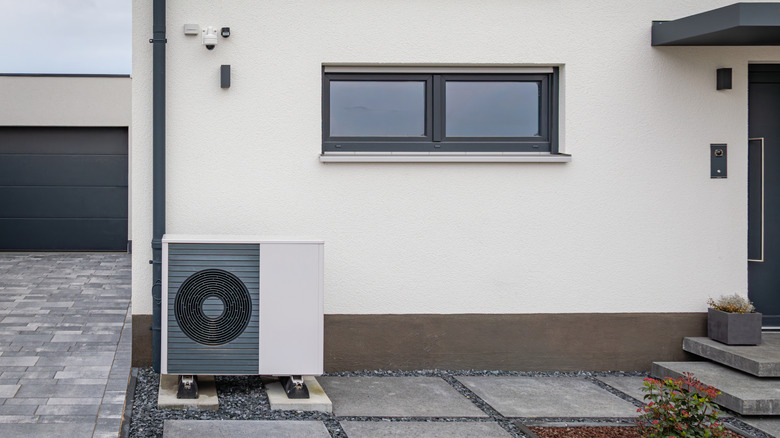
As it turns out, air conditioning contributes to about 3% of all global greenhouse gas emissions. At the current rate, the need for air conditioning could more than triple by 2050. Not to mention, the fluorinated refrigerant gases we use in our systems are thousands of times more harmful than carbon dioxide if they escape into the atmosphere. The European Union has been phasing them out since 2024 and is now looking toward alternatives to cooling homes.
Solid-state cooling could provide a way to move heat without circulating chemical refrigerants. This could take several forms. One idea is to use elastocaloric cooling technology, which uses nickel-titanium alloys that absorb heat when stretched and released. Another idea is refrigerant-free heat pumps, which transfer heat using electrical currents. Scientists are also looking into cooling systems that rely on magnetic fields to cool the air. There's even been experimentation on pressure-sensitive plastic crystals that release and absorb heat during compression cycles.
Alas, all of these systems are still in the early stages of commercialization. It remains to be seen how they'd do on a larger scale. For now, Europe is forced to continue facing rising temperatures without much relief.