

Why Is Air Conditioning So Uncommon In European Countries?

As summer kicks into high gear and temperatures start to cook across the U.S., many people are keeping their air conditioners running during the heatwave. But if you're living in a European country, you may not have that luxury, as central air systems aren't as widely available, if at all. In fact, data suggests that only around 20% of European homes typically have air conditioning.
The reason for that is because up until recently, European countries didn't have a pressing need for it. Summer weather was usually moderate enough that intense bouts of heat were random instead of the norm. So, the focus of home design was mostly to retain heat during the colder months and keep residents warm. But thanks to rising global temperatures, European countries are experiencing hotter conditions as time goes on.
One problem is that the demand for air conditioning systems is greater than what many of those countries can now handle. Because homes weren't designed to accommodate modern units, the only solution is to retrofit, which can be both expensive and difficult to do. Then there's the issue of higher energy costs and the increased electricity demand, which can have a serious impact. At the same time, debates about emissions and energy efficiency are raging, causing the transition toward widespread AC adoption in Europe to move slowly, even as temperatures continue to rise.
Cooling methods in Europe beyond AC systems
The effort to make AC systems more accessible in European countries is happening gradually in part because of regulation. Under proposed European Union rules, installers would be required to give customers information about energy efficiency capability upfront. The idea is that users need to understand the long-term impact on energy costs and power consumption with HVAC systems.
Because AC is less common in Europe, some basic strategies have been utilized to help provide a level of relief. This includes shading against the sun, improving natural airflow through proper ventilation, and using building designs that can slow down the buildup of heat indoors. When it comes to equipment, some of the best portable air conditioners and mobile AC units are becoming more widely used. There are some outdoor methods that can help as well, including tree cover, and the use of reflective or heat-resistant materials in crowded areas.
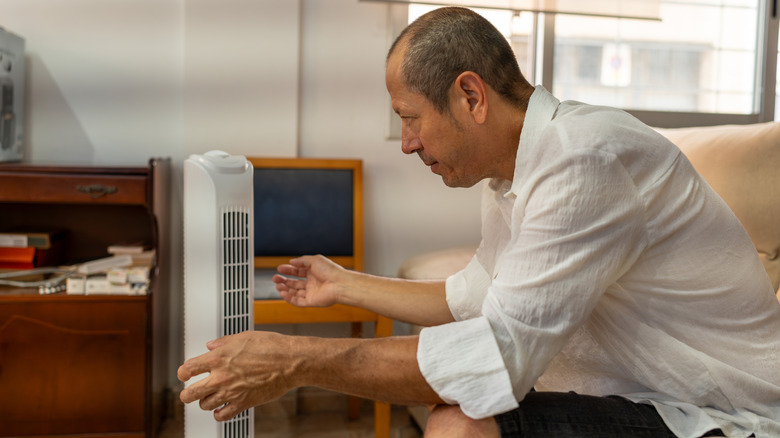
On an individual level, Europeans are using traditional methods to cool down as well. Portable and cordless fans are a popular solution, as they can be used either at home or while traveling. There are also newer products like misting fans that add water to the airflow for a cooler solution. Then there are "wearable air conditioners" which typically rest around the neck, that can help to lower body temperature.