

Is Starlink Better Than A Satellite Phone? Here's What To Know
Starlink is not your typical provider, as it connects users directly to satellites for service, rather than traditional cellular towers. Because of this nuance, Starlink's mobile service has a lot in common with satellite phone technology. When it comes to which one is better, the answer depends on which feature you are considering because they're each designed and built for different situations.
Starlink's biggest advantage is that it can bring automatic satellite connectivity to compatible devices without requiring users to carry a standalone satellite phone. That's because its Direct to Cell service uses low-Earth orbit satellite technology to extend mobile coverage beyond traditional cellular networks. In contrast, satellite phones provide a dedicated phone number and direct voice calls through a satellite connection. This makes satellite phones useful in emergencies, remote areas, or in situations where a separate communication device is needed.
While it's possible to turn your standard cell phone into a satellite phone, choosing between Starlink and a satellite phone means deciding which type of service is needed the most. Factors like location, accessibility, budget, and real-world use cases all play a part. If you're traveling in an area with limited cellular coverage and want to keep your existing phone connected to make a call, Starlink may be the better option. However, if you're in an emergency situation and need a reliable way to communicate, a satellite phone might be the right choice.
The challenges of Starlink Direct to Cell and satellite phones
While Starlink Direct to Cell extends cellular coverage for users, it's not a total replacement for traditional mobile service. This means that it may not always allow for the full range of services people expect from normal cellular service. Additionally, Direct to Cell technology depends on a connection between the user's phone and satellites overhead. That means being indoors or outside under heavy tree cover could affect performance. Overall, the Direct to Cell experience is not quite the same as a typical cellular connection.
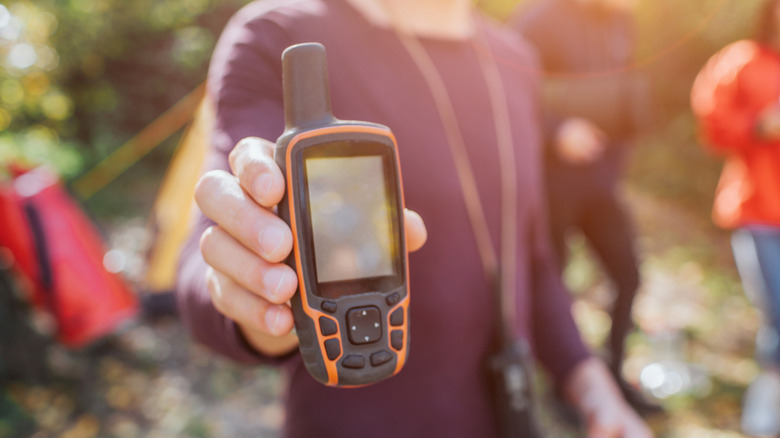
Satellite phones also have their drawbacks, as they require users to carry a separate device, which is often bigger and heavier than a typical smartphone. Satellite phones and their services tend to be more expensive than traditional cellular service as well. This includes overall costs for both voice calls and text messages. Much like Starlink Direct to Cell, satellite phones also need a clear connection overhead, and any obstructions can make it difficult to make a call.
Beyond Starlink and satellite phones, satellite technology will likely play a bigger role in the future of mobile communication. In fact, cellular providers like T-Mobile and Verizon are utilizing satellite networks as a way to improve coverage when traditional cellular service is not available. This includes everything from crowded cities to areas affected by natural disasters. As more cellular companies capitalize on the benefits of satellite connectivity, users could eventually see fewer interruptions overall.