

4 Common Problems With Husqvarna Chainsaws
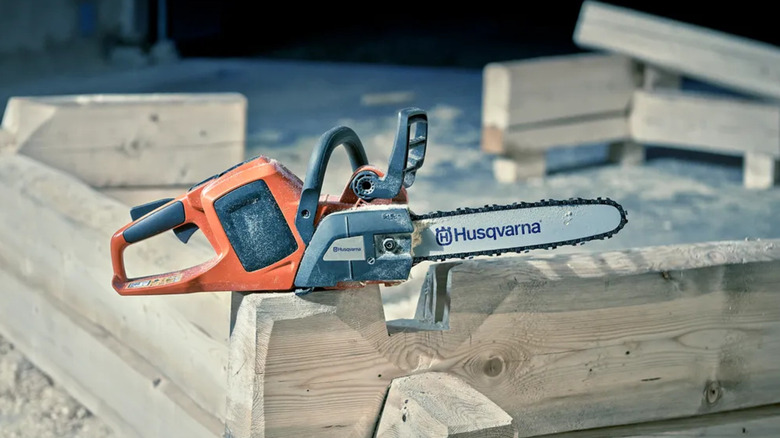
Husqvarna is one of the major chainsaw brands today, but the company has a much longer history, making everything from firearms and sewing machines to bicycles, motorcycles, kitchen equipment, and household appliances, before becoming best known for forest, park, and garden tools. Today, Husqvarna's chainsaw lineup spans both gas and battery-powered models, with options aimed at homeowners handling light yard work, landowners cutting firewood and managing property, and professional users who need heavier-duty saws for regular tree care and forestry work.
A chainsaw is a simple tool in theory, but it works in a harsh enivronment, with factors like heat, vibration, sawdust, and chain speed all working against it. Like any home maintenance tool, chainsaws can develop problems over time, and Husqvarna is no exception. Some problems come down to wear, maintenance, fuel quality, or user setup, while others point to parts of the saw that simply do not hold up as well as owners expect.
These four Husqvarna chainsaw problems are the ones owners most often seem to run into, and knowing what causes them can help you tell the difference between a quick fix and a saw that needs dealer attention.
Starting issues
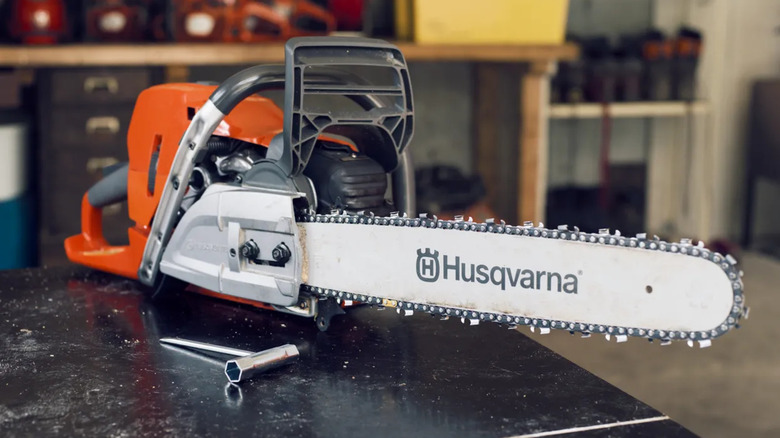
Starting trouble is one of the most commonly reported problems Husqvarna chainsaw owners run into, especially on popular homeowner and Rancher-style models such as the 435, 440, and 455 Rancher, though similar complaints also show up on some pro-grade saws like the 550XP and 562XP.
Some of these saws may need far more pulls than normal before the engine finally catches, which often points to the saw struggling to get fuel, air, and spark working together at the right moment. Others may fire briefly, sound like they are about to settle into idle, and then shut off almost immediately. Another common complaint is hot-start trouble, where the saw may run normally during the first few cuts but becomes much harder to restart after being shut off for a short break.
Most owners that have these problems end up finding that the saw is either not getting enough fuel during startup, or is getting too much fuel at the wrong time. If the saw sat unused with old fuel in the tank, that fuel can leave deposits inside the carburetor and clog its small passages, which can restrict fuel flow enough to make starting difficult.
In other cases, the problem comes from too much fuel rather than too little, especially when the choke stays on too long and repeated pulls leave the spark plug too wet and the engine too flooded to fire. That also helps explain why some saws start fine when cold, but become difficult to restart after a short stop, since a fuel system that is only working marginally can become more obvious once heat builds up.
Oil leaks
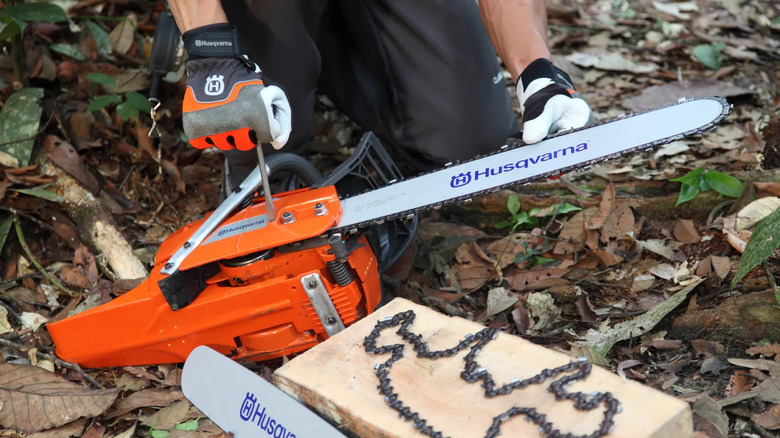
Oil leaks are confusing on Husqvarna chainsaws, because some oil loss is part of how the system works, which is why identifying the cause and point of the leak matters before anything else. Bar and chain oil keeps the chain and bar lubricated while the saw runs, but some of it naturally collects around the bar and gets thrown around the clutch cover area during use. It becomes a problem when the saw keeps leaving puddles, or leaks enough oil to look like it is draining itself while not in use.
Owners usually don't notice the leak itself at first, but the mess it leaves behind. What they see instead is oil collecting on a shelf, bench, or wherever the saw has been sitting, sometimes in amounts large enough to suggest more than normal residue. In other cases, Husqvarna chainsaws start leaking oil as soon as fresh oil is added, or lose a noticeable amount from the tank before the saw is even put to use.
The possible causes usually come from the parts that move oil from the tank to the bar. Leaks can also come from the oil hose and its connections, since even a small gap or poor seal can let bar oil seep out while the saw sits. A worn grommet or poor connection around the tank outlet can do the same thing by letting oil escape before it ever reaches the bar. In other cases, the saw may simply have leftover oil trapped around the clutch cover and bar mount after use, which then drains out later and looks worse than it really is.
Lubrication failure
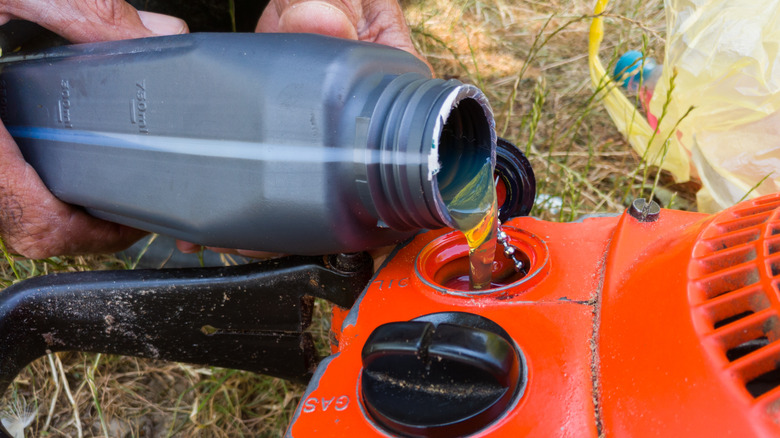
A leaking chainsaw is messy, but a chainsaw that does not oil properly is more serious. The oil is what keeps the chain moving smoothly around the bar, keeps heat down, and reduces friction between the two parts while the saw is cutting. A properly lubricated Husqvarna chainsaw should leave visible oil during a lubrication check, but a number of owners have reported cases where little to no oil seems to be reaching the chain at all.
It initially shows up as the chain looking dusty-dry instead of wet and shiny, despite oil being in the tank, while others see that it throws little to no oil when they rev the saw near a piece of cardboard or fresh wood. Sometimes, the chain starts to smoke lightly during the cut, or the bar itself gets hot enough to turn blue or burn off paint near the rails. Once enough friction builds up, the saw can start cutting slower and stop biting into wood, even though the chainsaw is sharpened and the engine itself is fine.
The possible causes usually start with the oil path itself, and oil leaks are only one way lubrication can fail. If the bar's oil hole or groove is packed with sawdust or other deposits, oil may not reach the chain even with a full tank. Thick oil can also move too slowly in cold weather, especially if it is not suited to the temperature.
Loose chain
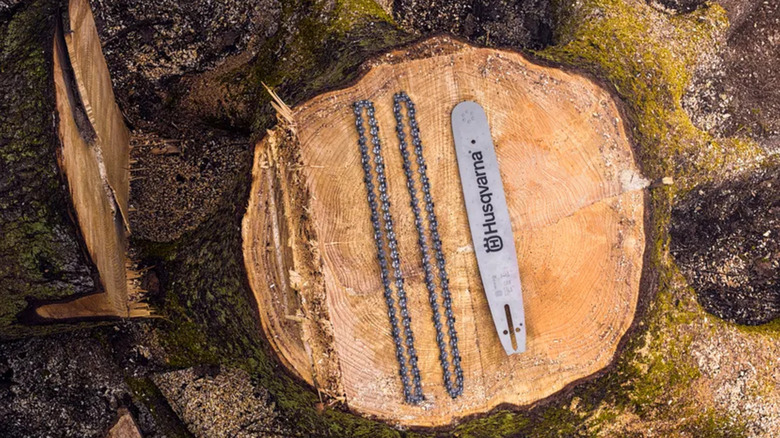
A chainsaw chain is supposed to sit between the guide bar groove as it moves freely around the bar. Some loosening is normal, especially when a new chain is breaking in, but it becomes a problem when you keep finding slack on your chainsaw even after proper tensioning, or when the chain comes off the bar during regular cutting.
For some Husqvarna owners, the chain sometimes seems properly tightened at first, but after a short amount of cutting, the lower side begins to sag again, the chain starts sitting loosely on the bar, or the tensioner is already close to its limit. Sometimes, the chain does not even stay evenly tensioned as it rotates, feeling tight in one spot and loose in another. If the owner keeps using it, the chain may jump or come off the bar, and once that happens, damaged drive links can make it harder to get the chain back onto the bar properly, more likely to derail again, and quicker to wear the bar and sprocket.
The possible causes usually come down to wear, poor adjustment, or cutting parts that are no longer keeping the chain in line. A chain that keeps loosening can point to worn bar rails, damaged drive links, or a worn sprocket. User error can also be part of it, since incorrect tensioning or bar nuts that were not tightened fully can let the chain move too much.
How we sourced this data
This list was built around what Husqvarna chainsaw owners were facing across Reddit posts, chainsaw forums, the review pages under the company's own product listings, and other repair discussions for repeated complaints across popular models like the 435, 440, 455 Rancher, 450 Rancher, 550XP, 562XP, a handful of older Husqvarna saws, and some pro-grade models where the same bad experiences kept showing up.
From there, the focus shifted to what owners were actually describing. We looked for repeated symptom patterns, like what changed between before and after the problem started, how the saw behaved under load, and if owners eventually found a fix or not. We also cross-checked those owner reports against Husqvarna's own support pages and maintenance guides where it helped weed out user error and maintenance negligence from real problems.