

Why Some Laptops Don't Have HDMI Ports
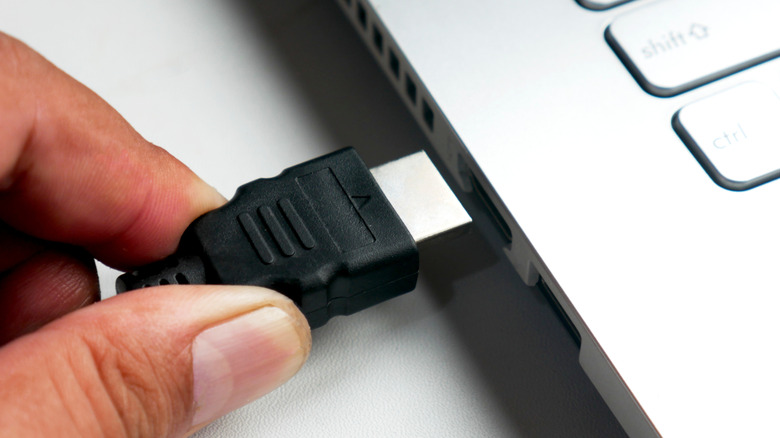
When browsing some of the best laptops you can buy in 2026, it's a good idea to check whether the model has an HDMI port. More specifically, you're looking for an HDMI output that sends video and audio from your laptop to an external display. While this is the most common HDMI port on a laptop, it's not always installed on every model due in part to the popularity of other connection types.
One of those ports is USB-C, which has been widely adopted by many manufacturers. That's because the USB-C port can handle multiple functions through a single connector. Depending on the specification, a USB-C port can output video and audio to an external display similar to HDMI. This allows manufacturers to provide display connectivity without using an HDMI port. USB-C can also transfer data and often charge the laptop as well. Because of this port's versatility, some laptop companies choose to remove HDMI capability.
Some manufacturers have also moved away from HDMI ports as a design choice, allowing laptops to become thinner and lighter overall. Despite this move, HDMI is still a common feature for today's models. In fact, many new laptops continue to use HDMI as the primary way to connect to an external monitor or TV. Some laptops can even feature both HDMI and USB-C, giving users more connectivity options.
The trade-offs and challenges of thinner laptops
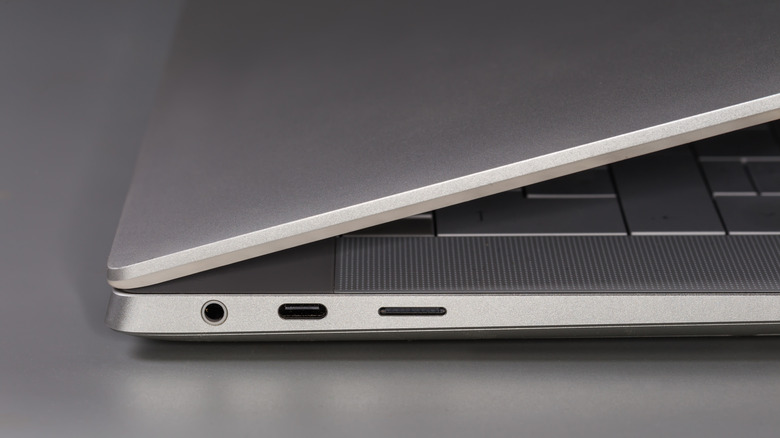
While the absence of an HDMI port helps make some modern laptops thinner, there are some trade-offs you should consider when buying. Depending on what you're connecting to your laptop, you will need an adapter or a multi-port hub for devices that use HDMI. This means more money out of your pocket, as multiple external devices may each have a different connector.
When checking a new laptop for either an HDMI or USB-C port, you may also see a mention of Thunderbolt technology. Modern Thunderbolt technology (version 3 and newer) is actually not a standalone port, as it uses the same USB-C connector. However, it does offer additional features, including support for multiple external displays and faster data transfer. It also allows a laptop to connect to a docking station. Because of this additional capability, Thunderbolt tech has become a popular option for laptop manufacturers.
In addition to removing HDMI ports, some manufacturers have also used internal components that are soldered directly to the laptop's motherboard. This is done in part to save space, thereby contributing to the laptop's thinner design. The problem is that this move can make repairs difficult to perform and also limit the ability to perform future upgrades. This means that some laptops are less flexible than others, which could become an issue down the road.