

This Boat Helped Hunt Down WWII Shipwrecks - Now It Sails For The US Navy
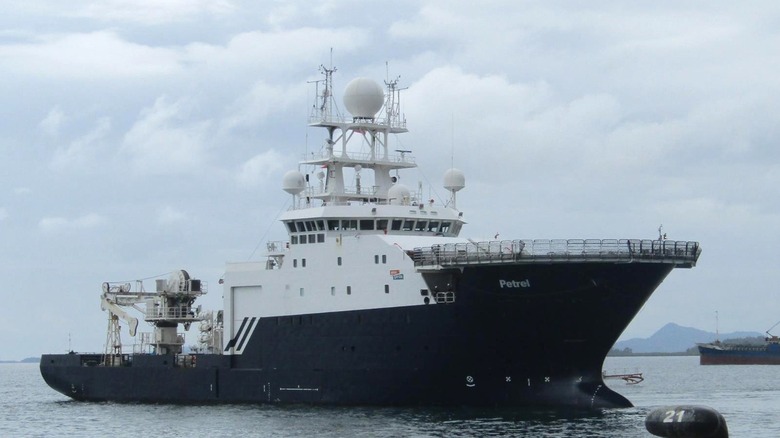
The research vessel RV Petrel earned an international reputation by locating some of the most famous shipwrecks of World War II, helping historians solve decades-old mysteries resting thousands of feet beneath the ocean's surface — such as the USS Wasp, which it discovered resting 14,000 feet down. As of 2025, however, the ship embarked on an entirely new chapter. Renamed MV Sarah Lynn, the former exploration vessel entered service with the U.S. Navy, exchanging archaeological expeditions for a role supporting modern maritime operations.
The transition is somewhat unusual, as research vessels rarely make the leap from private expeditions to government service. MV Sarah Lynn, however, boasts a unique combination of advanced sonar systems, remotely operated vehicles, and deep-ocean surveying capabilities. Those technologies once helped researchers locate long-lost WWII warships, but now they are expected to support the Navy's growing need for maritime domain awareness and undersea survey work, giving one of history's most successful shipwreck hunters an entirely new mission.
A ship built to find forgotten history
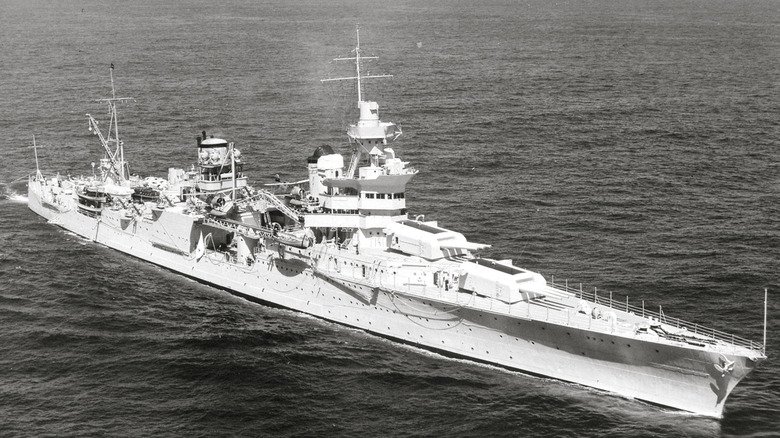
Before becoming part of the U.S. Navy, the vessel was owned by the late Microsoft co-founder Paul Allen, who transformed it into one of the world's premier deep-ocean archaeological platforms. Equipped with sophisticated multi-beam sonar, autonomous underwater vehicles, and remotely operated submersibles, RV Petrel was designed to search the ocean floor for historically significant shipwrecks while documenting them without disturbing their final resting places. Allen viewed these expeditions not as treasure hunts, but as opportunities to preserve naval history and honor those who never returned home.
Over the course of its expeditions, the vessel located and documented dozens of famous wrecks, including some of the deepest shipwrecks of WWII, like the USS Indianapolis and USS Juneau. It also discovered enemy ships like Akagi and Kaga, two of the many Japanese carriers sunk during WWII. Many of these discoveries helped answer long-standing historical questions while providing closure for families and historians alike. They also demonstrated just how valuable the vessel's technology had become, making it an attractive platform for future government service.
A new mission for a proven vessel
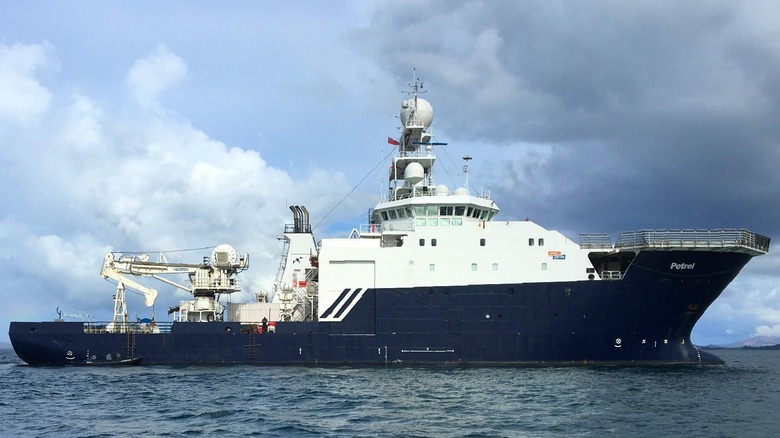
Although Sarah Lynn's mission has changed dramatically, many of the capabilities that made the ship successful remain just as valuable today. According to the Navy, the vessel will support maritime domain awareness and other survey operations, roles that rely on detailed mapping of the seafloor and underwater infrastructure. While officials have revealed few specifics about its future assignments, the ship's combination of advanced sonar, deep-water survey equipment, and long-range endurance makes it well suited for a variety of oceanographic and maritime support missions.
In many ways, the vessel's new role builds upon its previous one rather than replacing it. Instead of searching the ocean depths for the remains of historic warships, Sarah Lynn will now help the Navy better understand the modern undersea environment. It is a fitting second career for a ship that spent years uncovering forgotten chapters of Naval history. While its focus has shifted from preserving the past to supporting today's fleet, the vessel's greatest strength remains unchanged: exploring parts of the ocean that few others ever see.