

Why Green Gas Pumps Don't Always Put Out Diesel Fuel (And Why Knowing This Matters)
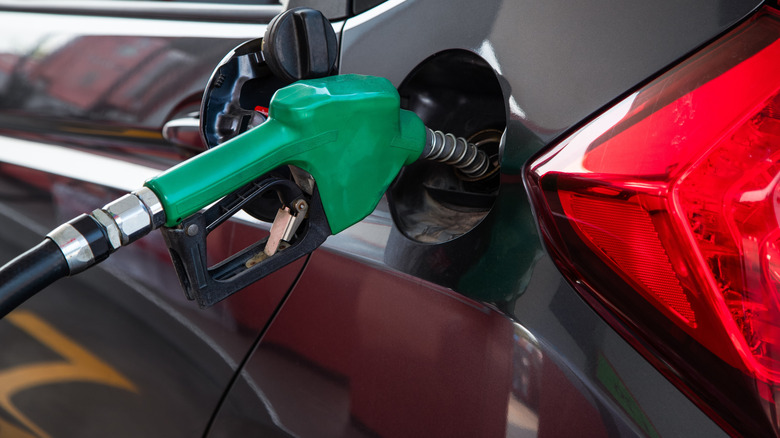
There was once a time you could identify the type of gas at the pumps simply by looking at the color of the dispenser. Regular unleaded gas handles were black, while other grades could be red, yellow, or blue. But when it came to the color green, unless the pumps were mislabeled, it almost always meant diesel fuel. While this is still true in many cases, the fact is that a green dispenser could be just about anything.
The reason green can vary from one location to the next is because there isn't a standardized color coding process for gas pumps in the U.S. This means each gas station can use whatever color it wants for whatever type of fuel it sells. To make things even more confusing, companies like BP have green in their branding, and that color could be used for pumps other than diesel. There doesn't seem to be a well-documented reason why green was first used to identify diesel at the pumps, or why a number of gas stations continued that trend over the years.
So whether you're needing diesel or diesel plus, or if trying to stay away from it altogether, your best move is to look past the color. If you don't, you could select the wrong dispenser and assume you're pumping the right fuel, which can damage your engine. Read the pumps so you can get the correct fuel and save yourself from some major problems down the road.
Why fuel pump labels matter more than appearance
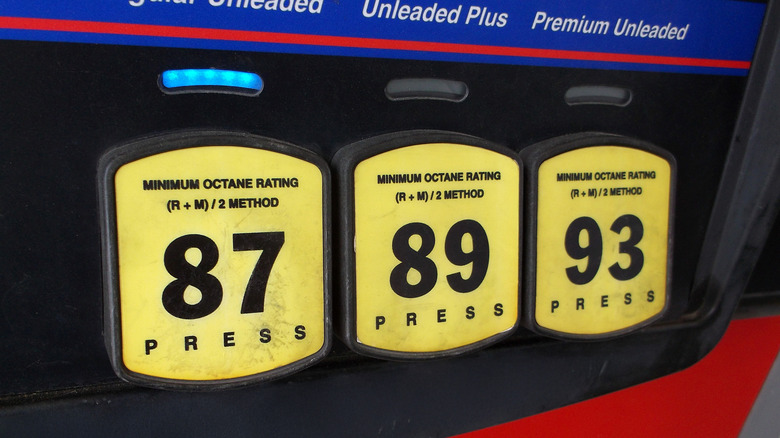
Beyond the color of the gas pumps, there have historically been other ways to physically identify one fuel type from the next. The construction of the fuel nozzle is a big one, as diesel pumps typically are too large to fit your car's fuel filler neck. But while that remains true in many cases, the reality is that modern pump setups can vary depending on the company. Newer hardware can be misleading, just as older hardware may be outdated. Because of this, judging the correct fuel type based solely on the nozzle is not a good idea.
There are federal regulations in place to take the guesswork out of pumping gas, and they involve the actual labeling you see at the station. All fuels must be clearly identified so drivers can choose the right one and prevent any possible damage from using an incorrect fuel. The labeling directive is actually part of the EPA's fuel standards, which are aimed at protecting drivers at the pump.
Additionally, even though the colors and physical setups may vary from one place to the next, gas stations must meet strict requirements for how fuel is stored and handled behind the scenes. The EPA's federal fuel standards and environmental rules address requirements for underground storage tanks, leak prevention systems, and overall compliance with safety regulations. Stations must adhere to regular inspections and system monitoring at the storage and infrastructure level to ensure they remain compliant.