

Canada Announces New Nuclear Plan To Fight Rising Energy Prices
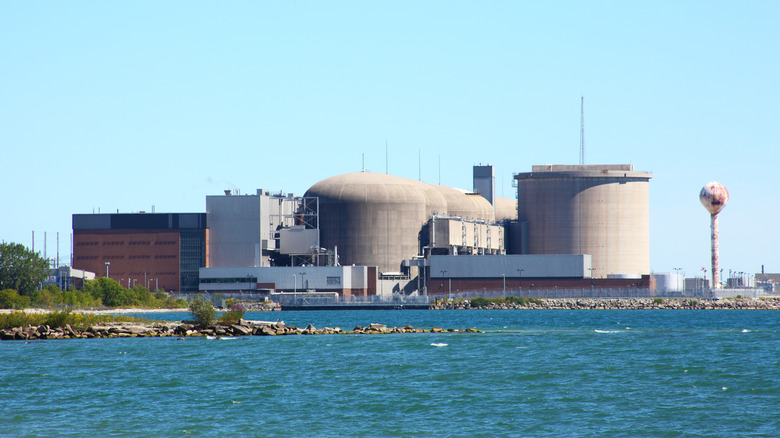
2017 was a landmark year for Canada in terms of nuclear power. That year, the country generated 95.7 million megawatt-hours (MWh) of electricity using just nuclear power. The number represented 14.7% of the country's total electricity generation. Almost a decade since then, things haven't looked good for nuclear power in the country, with power generation numbers consistently declining. Data from as recently as 2024 indicate that nuclear energy generation from Canada's four active nuclear plants had dropped to 81.7 million MWh, a far cry from the country's 2017 peak.
While there are several reasons for the stagnation of nuclear power generation in Canada, the country appears to be finally making moves to counter it. The Canadian government recently announced major changes to its nuclear energy policy aimed at reinvigorating nuclear power generation in the country.
The renewed policy centers on creating several new nuclear power infrastructure projects (read: power plants) across the country, while also aiming to become a major supplier of nuclear fuel and technology globally. Canada is also looking to expand its uranium production capacity — already the world's second-largest — and will also invest heavily to promote the development of newer nuclear power generation technologies.
As part of this strategy, Canada aims to build two new large-scale nuclear reactors in the coming decade, with a current deadline set for 2035. It also envisions five more power plants in the planning or development stages by 2040. Aside from major power plants, the plan also aims to develop and deploy a Canadian-made microreactor — similar to the one planned by the U.S. Army — to be utilized by one of the many remote communities living across the country.
Why Canada is betting big on nuclear power
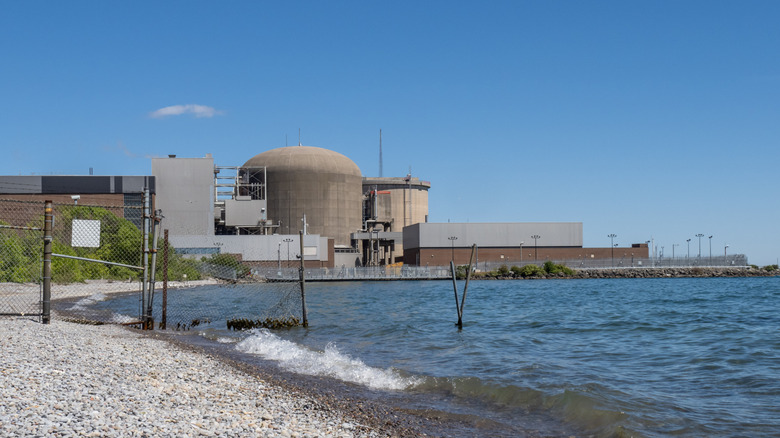
Given that Canada's electricity production has remained largely stagnant for several years, the country's renewed push toward nuclear power isn't simply centered around generating more electricity. The refreshed nuclear policy is also a response to growing concerns over rising energy demand, volatile electricity prices, and the country's long-term climate commitments.
Among the reasons for Canada to increase nuclear power generation are the rising use of electric vehicles as a result of a government-backed push, the establishment of power-hungry AI data centers, and natural consumer growth patterns. With Canada's electricity demand expected to rise dramatically over the next few decades, the country feels that now is the time to plan for it. While already investing heavily in renewable energy sources, Canada also recognizes the unpredictability of these power sources, as weather and climate conditions directly affect electricity production. This also explains why Canada is looking at nuclear power as a source of stable "baseload" electricity. Essentially, the country's planned nuclear reactors will take care of the additional load if and when there is a drop in power generation from renewable power sources.
Beyond power generation, the policy will also help promote Canadian nuclear power technology, create additional jobs, and position Canada as a global leader in the rapidly growing nuclear energy sector. If successful, the plan could help Canada emerge as one of the world's most important suppliers of both clean nuclear electricity and nuclear technology.